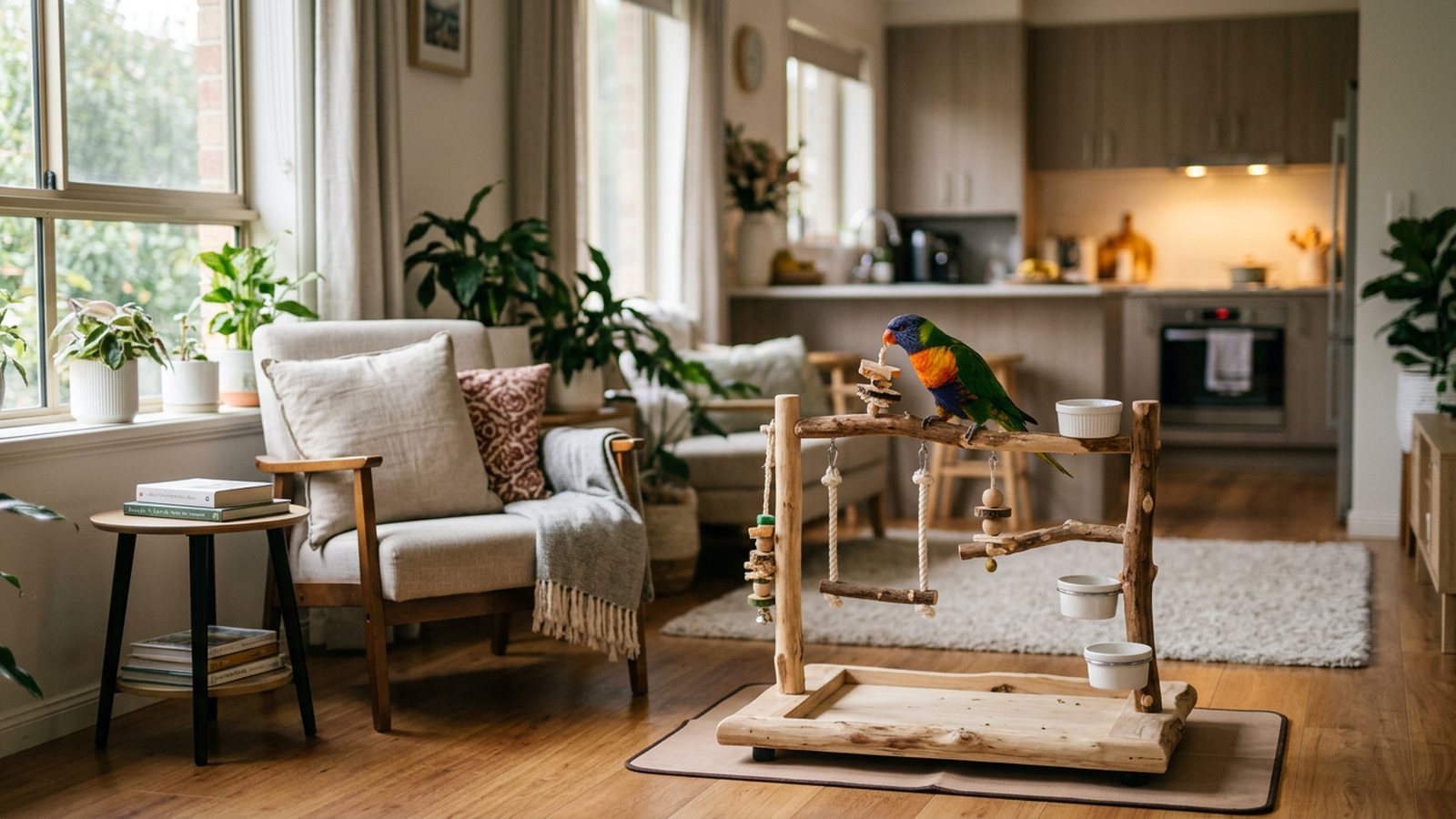
Keep your feathered friend safe this holiday season by understanding the risks of Christmas trees and decorations, and learning how to parrot-proof your festive home.
The holidays are a magical time, filled with sparkling lights, festive music, and the joyful spirit of togetherness. For many of us, a Christmas tree is the centerpiece of this celebration. But when you share your home with a curious, intelligent parrot, that beautiful tree can become a source of worry. Parrots explore with their beaks and feet, and what looks harmless to us might be a tempting, yet dangerous, playground for them. At Beak School, we believe in proactive, force-free approaches to keeping our feathered family members safe and happy. Let's dive into how to enjoy a festive season without compromising your parrot's well-being.
The Great Debate: Real vs. Artificial Trees
When it comes to bringing a Christmas tree into your home, you essentially have two main options, each with its own set of considerations for your parrot.
Real Christmas Trees: What to Watch Out For
- Natural Toxins: Many common Christmas tree species, such as pines, firs (like Balsam, Fraser, or Noble), and spruces, contain natural compounds (like terpines and oils) that can be irritating or even toxic if ingested in large quantities. While a tiny nibble might not be catastrophic, consistent chewing could lead to digestive upset, lethargy, or worse. The sap itself can be sticky and hard to remove from feathers, potentially leading to feather picking or discomfort.
- Pesticides and Fire Retardants: Most commercially grown Christmas trees are treated with pesticides, herbicides, and sometimes even fire retardants. These chemicals are designed to kill insects or inhibit flames, and they are absolutely not safe for your parrot to ingest or even inhale by being in close proximity. Even "organic" trees may have some treatments, so it's best to be cautious.
- Mold and Fungi: Real trees, especially if stored improperly before purchase, can harbor mold, mildew, or fungi. Inhaling spores can be detrimental to a bird's sensitive respiratory system, potentially leading to infections.
- Sharp Needles: The needles themselves can be sharp and poke delicate tissues like eyes or mouths. Small pieces could also be ingested, causing internal irritation.
- Water Preservatives: If you use a stand with water, resist the urge to add any "tree food" or preservatives to the water. These are typically toxic if consumed by your parrot. Plain water is best, though your parrot should still not have access to it directly.
Artificial Christmas Trees: Not Always a "Safe" Alternative
- Plastic and Metal Components: While they avoid the issues of real trees, artificial trees come with their own set of concerns. They are typically made from PVC (polyvinyl chloride) or other plastics, often with metal frames. If your parrot decides to chew on these, they could ingest small pieces of plastic (a choking hazard or source of impaction) or metal (which could be toxic, especially if it's not food-grade stainless steel). Some older artificial trees might even contain lead.
- Fire Retardants (Again!): Many artificial trees are also treated with fire retardant chemicals, which can off-gas into your home environment and also be ingested if chewed upon.
- "Flocking" and Glitter: Some artificial trees come pre-flocked (covered in artificial snow) or with glitter. These loose particles can easily be ingested, irritating the digestive tract or respiratory system.
Decorating Safely: What to Use and What to Avoid
Once you've decided on your tree type (or if you're skipping the full tree altogether!), it’s crucial to think about decorations. This is where curious beaks and grasping feet can get into real trouble.
Absolutely Avoid:
- Tinsel: This is arguably one of the most dangerous decorations for parrots. Tinsel is a thin, metallic-looking plastic that birds are notorious for ingesting. It can easily get tangled in their digestive tract, causing blockages that require immediate veterinary intervention and are often fatal.
- Glass Ornaments: Beautiful but fragile. A dropped or chewed ornament means sharp shards and potential injury.
- Edible Decorations (Popcorn, Cranberry Strands): While seemingly natural, these often attract pests, can spoil, and if treated with anything (like butter or salt), are unhealthy for your bird. It's also an open invitation for your parrot to climb into the tree for a treat.
- Spray Snow and Glitter: These airborne chemicals and particles are irritants and should be avoided in a bird-friendly home.
- Candles: Open flames are a no-go with parrots present. Their investigative nature could lead to severe burns.
- Small, Chokeable Items: Anything that can fit into your parrot's mouth is a potential choking hazard.
- Lead-Containing Items: Older ornaments, certain paints, or imported decorations may contain lead, which is highly toxic to birds.
Safer Alternatives (with supervision):
- LED Lights: While still needing to be secured, LED lights run cooler than traditional incandescent bulbs and are generally less likely to cause burns. Ensure all wires are firmly secured and inaccessible to busy beaks. Consider running lights up the trunk directly rather than dangling.
- Non-Toxic, Large, Sturdy Ornaments: Think wood, paper mache, or sturdy, non-shatter plastic designed for kids' play. Ensure they are painted with non-toxic, bird-safe paint (or unpainted). Large, smooth ornaments are best to prevent chewing on small parts.
- Natural, Unadorned Items: Pinecones (ensure they are clean and free of sap/chemicals), large wooden beads, or even parrot-safe toys hung strategically.
- Safety First: Cordon Off the Area: The safest approach is always to prevent access. Barrier gates, playpens, or even simply placing the tree in a room your parrot doesn't have free access to are excellent strategies. If your parrot roams, consider placing your tree on a high table or platform where curious beaks can't easily reach.
Holiday-Proofing Your Home: Beyond the Tree
While the tree is a major focus, other holiday elements can also pose risks.
- Holiday Plants: Poinsettias, mistletoe, and holly are traditional holiday plants, but they are all toxic to parrots. Keep them completely out of reach. In fact, it's wise to research the toxicity of any plant before bringing it into your bird's environment.
- Electrical Cords: More prevalent during the holidays with extra lighting. All cords should be secured, covered, or hidden. A parrot chewing on a live electrical cord can suffer severe burns or electrocution.
- Heavy Fragrances: Scented candles, air fresheners, and potpourri can contain volatile organic compounds (VOCs) that are highly irritating and damaging to a bird's delicate respiratory system. Stick to natural ventilation.
- Dietary Changes: While it's tempting to share holiday treats, many human foods (chocolate, avocado, excessive salt, sugar, or fat) are dangerous for parrots. Stick to their regular, balanced diet.
- Increased Visitors and Noise: The holidays often mean more guests and a noisier environment. This can be stressful for some parrots. Ensure your bird has a quiet, secure retreat (their cage, a separate room) where they can escape the commotion if needed. Explain to guests the importance of not poking fingers into the cage or offering food.
Training for a Safer Season
While prevention is key, reinforcement-based training can also play a role. If your parrot shows interest in something off-limits, redirect them to an appropriate, engaging toy or activity using positive reinforcement. Reward them for playing with their own toys or for staying in designated "safe zones" when the tree is out. Never punish them for exploring; their curiosity is natural. Instead, manage the environment to prevent access to dangers.
Final Thoughts
Having a parrot means making some adjustments to our human routines, and the holidays are no exception. By being mindful of the risks associated with Christmas trees and holiday decorations, and by implementing proactive, force-free safety measures, you can create a beautiful, festive, and most importantly, safe environment for your cherished feathered companion. Here's to a joyous and healthy holiday season for you and your flock!