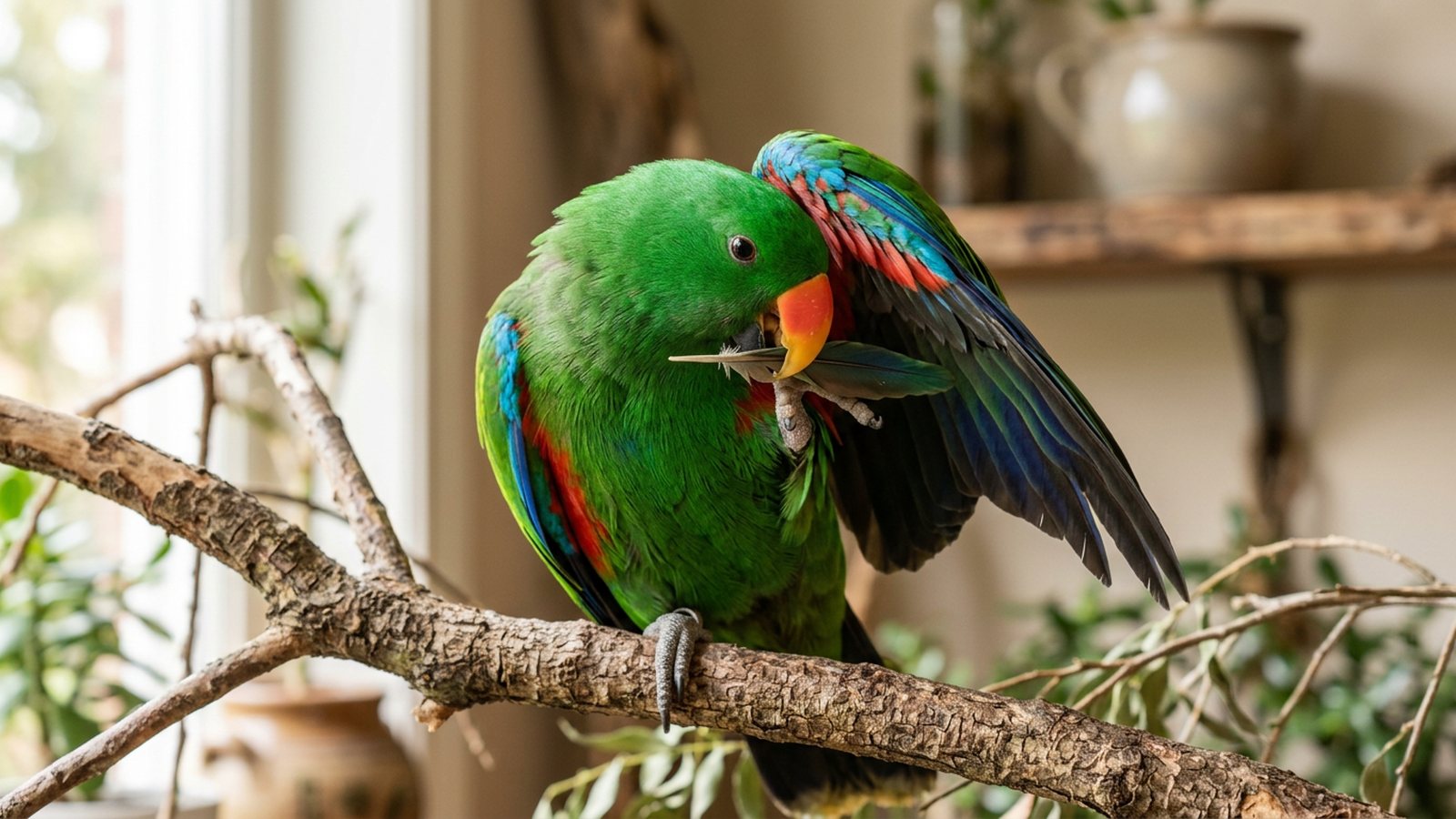
Keep your feathered friends healthy and happy by choosing the right air purifier for your bird room, focusing on safety and efficiency.
Introduction
As devoted bird caretakers, we go to great lengths to provide the best possible environment for our feathered companions. From nutritious diets and enriching toys to spacious enclosures and thoughtful training, every detail matters. But have you ever considered what’s in the air your beloved parrot is breathing? Bird rooms, by their very nature, can accumulate dust, dander, feather particles, and even aerosols from cleaning products. These airborne irritants can contribute to respiratory issues in birds, which are far more delicate than they often appear. That's why investing in a quality air purifier isn't just a luxury; it's a vital part of creating a truly safe and healthy home for your avian friends.
Why Air Quality Matters for Birds
Birds have incredibly efficient, yet sensitive, respiratory systems. Unlike mammals, their lungs don't expand and contract; instead, they have a complex system of air sacs that allow for a continuous, unidirectional flow of air. This design maximizes oxygen uptake, but it also means that airborne toxins and irritants are absorbed with remarkable efficiency. Common airborne culprits in a bird home include:
- Bird Dust and Dander: Parrots, especially species like cockatiels and cockatoos, produce a fine powder known as "bird dust" or "powder down." This dust is a natural part of their feather maintenance but can be highly allergenic and irritating when inhaled by humans and birds alike.
- Feather Particles: During molting or preening, small feather fragments break off and become airborne.
- Food Dust: Crumbs from pellets, seeds, and dried foods can become pulverized and float in the air.
- Environmental Pollutants: Dust from outside, fumes from cooking, cleaning product aerosols, smoke (even from a different part of the house), and volatile organic compounds (VOCs) from furniture or paints can all travel through the air.
Poor air quality can lead to a range of health issues for birds, including:
- Respiratory infections
- Nasal discharge
- Sneezing and coughing
- Eye irritation
- Feather destructive behavior (if irritation leads to discomfort)
- General lethargy and stress
By actively filtering the air, we can significantly reduce these risks, promoting healthier lungs, clearer sinuses, and overall better well-being for our parrots.
Key Features to Look for in a Bird-Safe Air Purifier
Not all air purifiers are created equal, and some features can actually be harmful to birds. Here’s what to prioritize when making your selection:
Must-Have Filtration Stages:
- True HEPA Filter: This is non-negotiable. A True HEPA filter captures 99.97% of airborne particles as small as 0.3 microns, including bird dust, dander, pollen, mold spores, and even some bacteria and viruses. Make sure it specifies "True HEPA," as some "HEPA-type" or "HEPA-like" filters offer less effective filtration.
- Activated Carbon Filter: Essential for removing odors and VOCs (volatile organic compounds) that can come from cooking, cleaning supplies, and general household atmospheric contaminants. This helps keep the bird room smelling fresh and free of potentially harmful gasses.
- Pre-filter: Typically a washable or replaceable mesh filter, this catches larger particles like feathers and hair, extending the life of the HEPA and carbon filters.
Features to AVOID and Why:
- Ionizers/Ionic Purifiers: These devices release charged ions into the air to clump particles together, often causing them to stick to surfaces or be more easily filtered. However, many ionizers produce ozone as a byproduct. Ozone is a powerful lung irritant and is toxic to birds (and humans!). Avoid any purifier that explicitly states it uses ionization or "plasmawave" technology.
- Ozone Generators: Explicit ozone generators are sometimes marketed for odor removal, but they are extremely dangerous for respiratory health and should never be used in a home with pets, especially birds.
- UV-C Light (Optional Caution): While UV-C light can kill bacteria and viruses, its effectiveness in air purifiers for home use is often limited due to the short exposure time of airborne particles. More importantly, poorly shielded UV-C lights can produce small amounts of ozone, and some experts suggest they can potentially degrade plastic components over time, leading to VOC release. If a purifier includes UV-C, ensure it explicitly states "ozone-free" and consider if the benefits truly outweigh any potential risks. In a bird home, True HEPA and activated carbon are the primary essentials.
Other Important Considerations:
- CADR (Clean Air Delivery Rate): This rating indicates how quickly the purifier cleans a room. Higher CADR values mean faster cleaning. Match the CADR to your room size (look for "room size coverage" in square feet or meters). It’s often beneficial to choose a model with a CADR slightly higher than your room’s actual size to ensure optimal performance, especially in bird rooms which tend to be dustier.
- Noise Level: Birds can be sensitive to loud noises. Look for models with decibel (dB) ratings, especially on lower fan speeds. Many purifiers have a "sleep" or "whisper" mode.
- Filter Replacement Indicators and Cost: Filters need regular replacement (typically every 6-12 months for HEPA, 3-6 months for carbon, depending on air quality and usage). Check the cost and availability of replacement filters before purchasing.
- Placement: Place the air purifier in an open area, away from walls or furniture that might obstruct airflow. Don’t place it too close to the bird cage, and ensure your bird cannot chew on the unit or its cord.
Top Air Purifier Recommendations for Bird Owners
Based on the criteria above, here are a few types and brands that consistently receive high marks for bird-safe air purification:
- Coway Airmega Series (e.g., Airmega 200M/Mighty): These are often praised for their excellent True HEPA and activated carbon filtration, quiet operation, and good CADR ratings for their size. They are reliable and widely recommended.
- Levoit Core 300S/400S/600S Series: Levoit offers a range of purifiers that are explicitly ozone-free, featuring True HEPA and activated carbon filters. They are popular for their effectiveness, quiet performance, and often more budget-friendly filter replacements.
- Blueair Blue Pure Series (e.g., 211i Max, 411i Max): While some Blueair models use "ionizer" technology, the Blue Pure series are mechanical filters without active ionizers (they use an electrostatic charge to enhance filtration without ozone production). Always double-check the specific model to ensure it is 100% ozone-free and uses a True HEPA equivalent. Their washable pre-filters are a nice bonus.
- Winix 5500-2 (with caution): This model is popular and affordable. While it does include a "PlasmaWave" feature (their term for an ionizer), it is generally considered to produce negligible or no ozone by third-party testing. However, to be absolutely safe for birds, it is recommended to keep the PlasmaWave feature turned OFF permanently. Its True HEPA and carbon filtration are still excellent.
When selecting any specific model, always read recent reviews and product specifications carefully to confirm it meets the "must-have" and "avoid" criteria for bird safety, specifically regarding ozone generation.
Final Thoughts
Just like providing fresh water and a nutritious diet, maintaining pristine air quality is a fundamental aspect of responsible bird care. A high-quality, bird-safe air purifier is an investment in your feathered friend's long-term health and happiness. By choosing a model with True HEPA and activated carbon filtration and consciously avoiding ozone-producing technologies, you’re creating an environment where your parrot can truly thrive, breathing easy and enjoying life to the fullest. Happy breathing to you and your flock!