

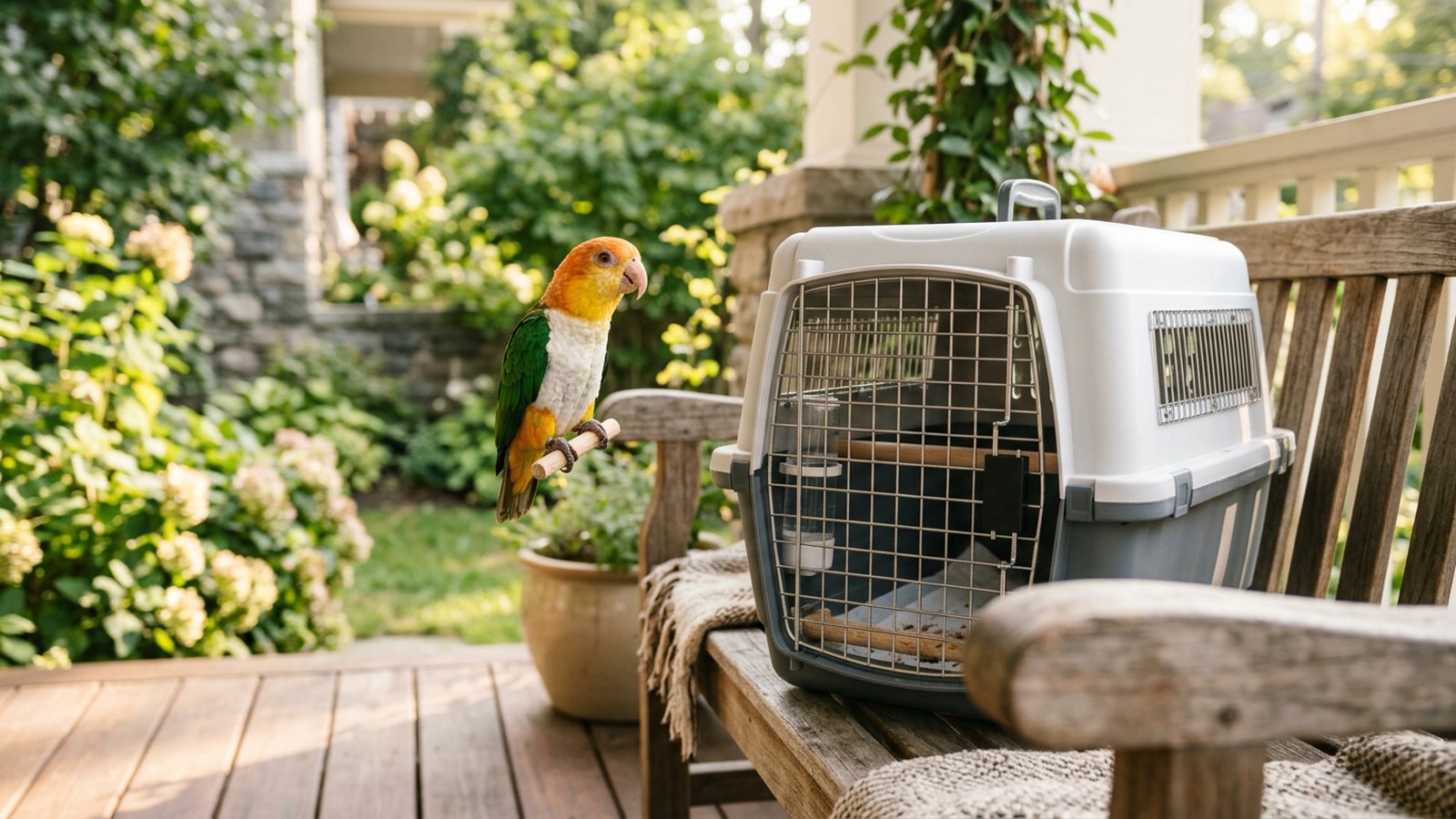
Caique Personality: The Playful Pranksters
Caiques are often described as the "clowns of the avian world," and for good reason! These small to medium-sized parrots, particularly the Black-Headed and White-Bellied varieties, are bursting with personality. If you're considering welcoming a caique into your home, be prepared for a vibrant, energetic, and sometimes mischievous companion. Their intelligence, coupled with their insatiable curiosity, makes them incredibly engaging pets, but also means they thrive on consistent engagement and enrichment. Understanding their core personality traits is the first step to building a strong, positive relationship.
Energy and Playfulness Beyond Measure
One of the most striking aspects of a caique's personality is their boundless energy. They don't just sit and preen; they explore, bounce, climb, and wrestle with toys with an enthusiasm that can be truly infectious. This isn't a bird that's content to sit quietly on a perch for hours on end. Caiques need ample opportunity for physical activity and mental stimulation. Think of them as an avian toddler – always on the go, always finding something new to get into. Providing a large, stimulating cage filled with a variety of safe toys for chewing, climbing, and foraging is crucial. Regular out-of-cage time in a bird-safe environment is also essential to allow them to burn off energy and satisfy their exploratory instincts.
Intelligence and Curiosity: A Double-Edged Feather
Caiques are incredibly intelligent, which means they learn quickly and can be trained to do a variety of behaviors through positive reinforcement. However, this intelligence also comes with a need for constant mental stimulation. A bored caique is a destructive caique, or one that might resort to unwanted behaviors to entertain themselves. They are natural problem-solvers and love to figure things out. Providing puzzle toys, foraging opportunities, and teaching them new tricks are excellent ways to engage their sharp minds. This intellectual capacity also contributes to their notorious curiosity; anything new or interesting in their environment is fair game for investigation, often with their beak! Supervised interaction is key to keeping them safe and redirecting their curiosity constructively.
Vocalizations and Communication
While caiques are not typically known for their extensive talking abilities compared to some other parrot species, they are certainly not quiet birds. They have a repertoire of chirps, squawks, whistles, and alarm calls. Their vocalizations are often context-dependent, communicating excitement, alarm, or a desire for attention. It's important to learn to interpret your caique's unique vocalizations — they are communicating with you! Understanding what they are trying to say can help you respond appropriately and avoid frustration for both of you. Positive reinforcement can be used to shape desired vocalizations (e.g., reinforcing quiet periods) and to manage excessive noise, if necessary.
Training Needs: Harnessing Their Brilliance with Force-Free Methods
Given their intelligence and eagerness to engage, caiques are excellent candidates for force-free training. Consistency and patience are key. Start with basic behaviors like step-up and step-down, targeting, and recall. These foundational behaviors not only make daily interactions safer and easier but also build a strong bond based on trust and positive experiences. Caiques respond exceptionally well to food rewards, praise, and enthusiastic encouragement. They love to show off their new skills! Avoid any aversive methods; these birds are sensitive and punishment can easily damage your relationship and lead to fear or aggression. Instead, focus on reinforcing desired behaviors and setting them up for success.
- Target Training: Teach your caique to touch their beak to a target stick. This is incredibly useful for moving them around, getting them into their cage, or even teaching more complex tricks.
- Step-Up/Step-Down: Essential for safe handling and building trust. Always offer your hand or perch willingly, never force them.
- Enrichment and Foraging: Training isn't just about obedience; it's also about mental stimulation. Teach your caique to forage for their food or solve puzzles to get treats. This taps into their natural instincts and keeps them engaged.
- Socialization: While caiques often bond strongly with one or two people, early and positive socialization with various people and experiences can help them be more adaptable and less prone to fear-based behaviors.
Behavioral Quirks and How to Approach Them Positively
Caiques have some endearing and sometimes challenging quirks that are important to understand. They are famously "bouncy" birds, often hopping and dancing. This is a normal and delightful expression of their energy. They are also known for their love of "wrestling" with hands or feet. While this can seem playful, it's important to teach appropriate interaction so that this behavior doesn't escalate into biting. Use positive interrupters and redirect to a toy if the wrestling becomes too intense.
Like many parrots, caiques can go through "bluffing" or hormonal phases. During these times, they might be more nippy or demanding. Understanding that these are often temporary and hormonally driven can help you respond with patience and continued positive reinforcement, rather than reacting negatively. Provide extra enrichment, ensure they are getting adequate sleep, and maintain a consistent routine. If nipping becomes an issue, focus on reinforcing 'beak-off-skin' behaviors and redirecting to appropriate chew toys.