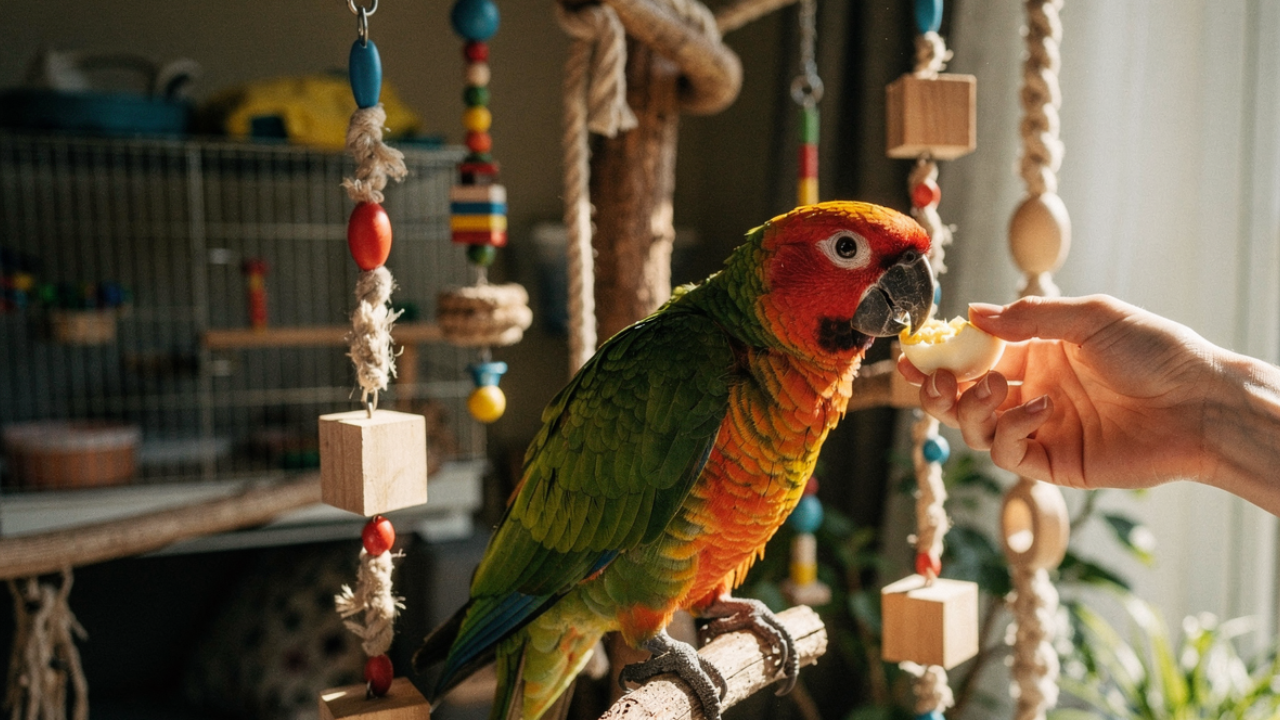
Yes, parrots can eat eggs! They're a fantastic source of protein but need to be prepared safely. Learn how to offer this nutritious treat to your feathered friend.
You might be surprised to hear this, but many parrot owners wonder if it's safe to feed their feathered companions eggs. After all, eggs are typically associated with birds in the wild as a reproductive product, not as a food source. But here at Beak School, we're all about providing the best, most enriching, and most nutritious lives for our parrots, and that often means exploring foods that might seem a little unconventional. So, let's crack open this topic and take a look at the surprising truth!
Yes, Parrots Can Eat Eggs! (And Why They're So Good For Them)
That's right, the answer is a resounding YES! Properly prepared eggs can be a highly nutritious and beneficial addition to your parrot's diet. Think about it: eggs are designed by nature to create a whole new creature. They're packed with essential nutrients, making them a powerhouse food source for growing chicks and busy parent birds alike. And while your pet parrot isn't laying eggs to hatch, those same nutrients are incredibly valuable for their general health and well-being.
So, what makes eggs such a great choice?
- Excellent Source of Protein: Parrots, especially during molting, breeding, or periods of high activity, require a significant amount of protein. Eggs provide complete protein, meaning they contain all nine essential amino acids necessary for muscle development, feather production, and overall body function.
- Rich in Vitamins and Minerals: Eggs are a natural multivitamin! They offer a good range of B vitamins (especially B12, crucial for nerve function), Vitamin A (important for vision and immune health), Vitamin D (for bone health), Vitamin E (an antioxidant), and Vitamin K.
- Healthy Fats: The yolks contain beneficial fats, including omega-3 fatty acids, which contribute to healthy skin, shiny feathers, and brain function.
- Minerals Galore: You'll also find important minerals like iron (for red blood cell formation), phosphorus (for bones and teeth), selenium (an antioxidant), and choline (vital for brain and liver health).
- Variety and Enrichment: Offering new and interesting foods is a fantastic way to provide enrichment for your parrot. The texture and taste of eggs can be a welcome change from their usual diet.
It's important to remember that while eggs are nutritious, they should not form the bulk of your parrot's diet. A high-quality pelleted diet, supplemented with fresh vegetables, fruits, and small amounts of healthy treats like eggs, forms the foundation of a healthy diet.
How to Safely Prepare Eggs for Your Parrot
While eggs themselves are beneficial, the preparation method is crucial for ensuring they are safe and healthy for your parrot. The key is to cook them thoroughly to eliminate any risk of salmonella or other bacterial contamination. Never offer raw eggs to your parrot.
Recommended Preparation Methods:
- Hard-boiled: This is arguably the easiest and safest method. Simply boil an egg until it's completely firm. Once cooled, you can offer it whole (peeled or unpeeled, as the shell provides calcium!), chopped, or mashed.
- Scrambled: Scramble an egg in a non-stick pan without any oil, butter, salt, or seasonings. Cook thoroughly until no liquid egg remains. Let it cool completely before serving.
- Omelet: Similar to scrambled, prepare a plain omelet without any additions. Cook well and cool before offering.
- Baked: You can also bake an egg into a bird bread or a bird-safe muffin recipe. This is a great way to incorporate other healthy ingredients too!
What to Avoid:
- No Raw Eggs: As mentioned, this is a big no-no due to bacterial risks.
- No Seasonings: Absolutely no salt, pepper, garlic, onion, or any other spices. These can be toxic or harmful to parrots.
- No Oils or Fats: Avoid cooking eggs in butter, oil, or other fats, as these add unhealthy calories and can upset your parrot's digestive system.
- No Dairy: While making scrambled eggs for yourself, you might add milk or cheese. Do not add these for your parrot as most parrots are lactose intolerant.
- Processed Egg Products: Stick to fresh, whole eggs. Avoid processed or pre-made egg products that may contain additives or high levels of sodium.
Eggshells: Believe it or not, the eggshell itself can be a fantastic source of calcium and other minerals! If you're offering hard-boiled eggs, you can leave some or all of the shell on for your parrot to crunch. Ensure the shell is clean and free of debris. Crushing them up and sprinkling them over other foods is another option. Just inspect for any sharp pieces if your bird tends to gobble without chewing.
How Often and How Much?
Eggs are a treat, not a staple. Think of them as a healthy addition to an already balanced diet. For most parrots, offering a small amount of cooked egg 1-2 times per week is a good guideline. The exact amount will depend on the size of your parrot:
- Smaller Parrots (e.g., Budgies, Cockatiels, Lovebirds): A quarter to a half of a teaspoon of chopped egg.
- Medium Parrots (e.g., Conures, Quakers, African Greys, Amazons): A half to one teaspoon of chopped egg.
- Larger Parrots (e.g., Macaws, Cockatoos): Up to half of a hard-boiled egg or more, chopped.
Always introduce new foods slowly and in small quantities to monitor your parrot for any adverse reactions, although reactions to eggs are rare. If your parrot absolutely loves them and shows no issues, you might increase the frequency slightly, but always prioritize their regular pelleted diet and fresh produce.
Remove any uneaten egg after a few hours to prevent spoilage, especially in warmer climates. Parrots are naturally curious, so if they don't take to eggs right away, don't force it. Try offering it in different forms or mixed with other beloved foods. Patience and positive reinforcement are key!
Beyond the Bird's Egg: The Power of Nutrition in Training
At Beak School, we emphasize the power of positive reinforcement in all aspects of parrot care, including diet. Healthy, high-value treats like cooked eggs can be incredibly motivating for training!
If your parrot enjoys eggs, a tiny, pea-sized piece of hard-boiled egg can be an excellent reward for a desired behavior. Because eggs are so rich, they often rank high on a parrot's "treat hierarchy." This means they can be particularly effective for teaching new tricks, reinforcing good manners, or helping your parrot become comfortable with handling or new experiences.
Just remember to account for these training treats in your parrot's overall weekly egg allowance to prevent overfeeding.
Final Thoughts
So, there you have it! Parrots can indeed eat eggs, and when prepared correctly, they offer a host of nutritional benefits, from essential proteins and vitamins to healthy fats and minerals. By incorporating cooked eggs as an occasional, enriching treat, you're not only boosting your parrot's physical health but also adding variety and mental stimulation to their diet, reinforcing that bond of trust and good care that we cherish at Beak School. Happy feeding!