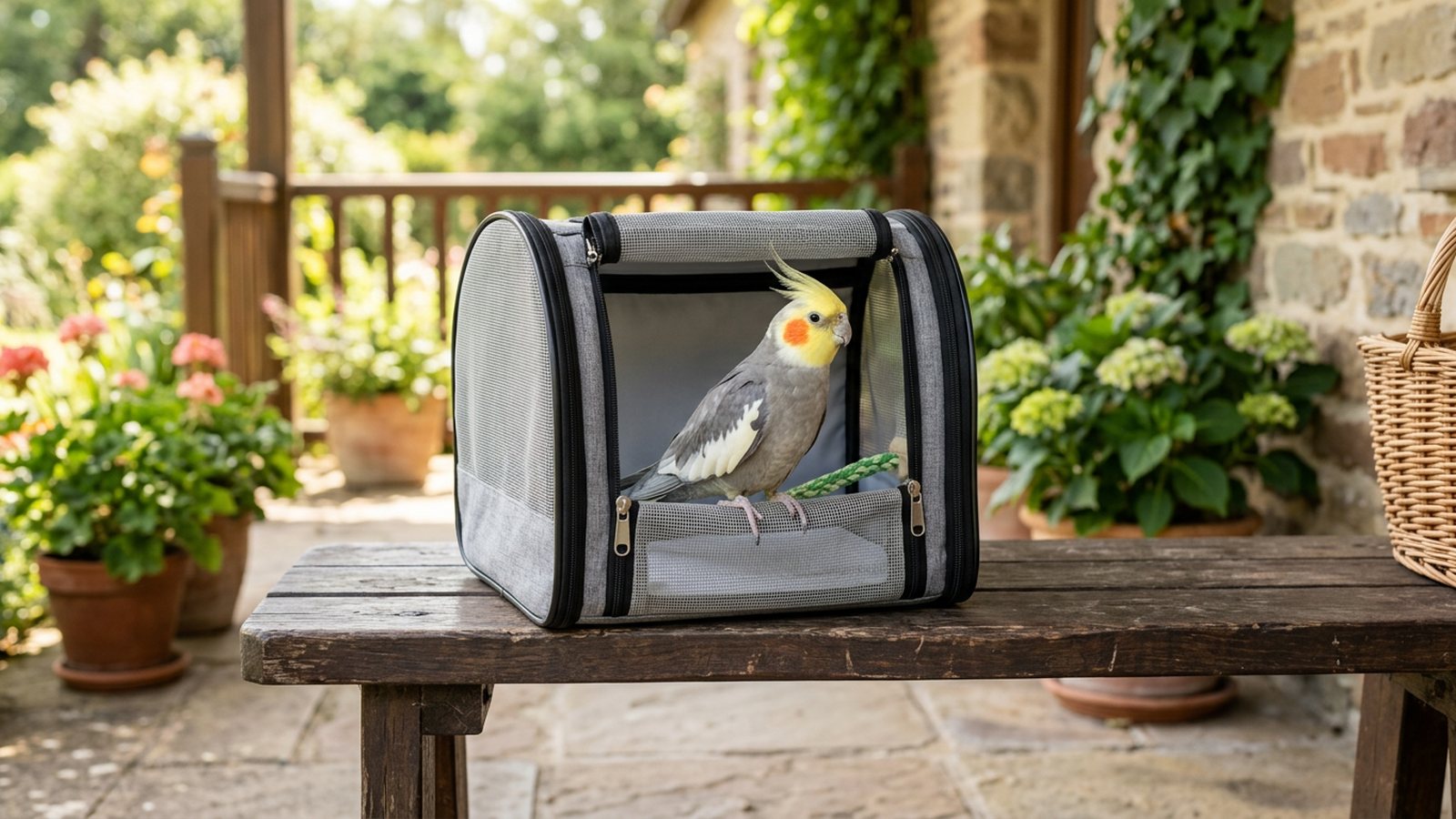
Debating between a conure and a cockatiel? Unpack their unique personalities, care needs, and training considerations to help you choose your ideal feathered friend.
Deciding which feathered companion to bring into your home is a big step! If you're currently weighing the options between a conure and a cockatiel, you're looking at two wonderful and popular parrot species, both with unique charms. While both can make fantastic pets, they have distinct personalities, care requirements, and communication styles. Let's dive into the details to help you figure out which bird might be your perfect match.
Personality & Interaction: Beyond the Cute Factor
Both conures and cockatiels are known for their affectionate natures, but they express it in different ways and with varying intensities.
Cockatiels: Gentle, Engaging, and Expressive
- Sociable & Sweet: Cockatiels are generally known for their gentle and sweet dispositions. They thrive on interaction with their human flock and enjoy being part of family activities. They're often happy to sit on a shoulder, softly preen your hair, or simply spend time near you.
- Affectionate but Independent: While very affectionate, cockatiels can also be content with some independent playtime. They might hop on their play stand or investigate toys in their cage while you're in the room, happy just to be in your presence.
- Mimicry & Whistling: Cockatiels are renowned for their excellent whistling abilities. Males especially can learn complex tunes, melodies, and even mimic household sounds like doorbells or microwave beeps. They can also learn a few words or phrases, though their talking ability isn't as pronounced as some larger parrots.
- Body Language: Cockatiels are masters of expressive body language. Their crest position tells you a lot: a relaxed crest indicates contentment, an alert crest shows curiosity, and a flattened crest can signal fear or aggression. Learning to read your cockatiel's body language is key to building trust.
Conures: Bold, Playful, and Big Personalities
- Energetic & Boisterous: Conures, particularly species like Green-cheeked or Sun Conures, are often described as big parrots in small bodies. They are generally more energetic, inquisitive, and sometimes a bit more "in your face" with their affection.
- Demanding Cuddles: Many conures absolutely adore snuggles and will readily burrow into your clothes, preen your hair vigorously, or even demand head scratches with insistent nudges. They can be incredibly cuddly and bond very strongly with their chosen person.
- Playful & Mischievous: Conures are highly intelligent and love to play. They enjoy exploring, problem-solving, and can be quite mischievous. Providing plenty of enriching toys and supervised out-of-cage time is crucial to keep them mentally stimulated.
- Vocalizations: Conures are capable of learning some words, but their talking ability varies greatly by individual and species. Sun Conures, for example, are less known for clear speech but make a wide range of squawks and screeches. Green-cheeks often have softer voices and can learn to whisper words.
Noise Levels: What to Expect from Your Feathered Friend
One of the biggest considerations for many prospective bird owners is noise. Both species are parrots and will make noise, but there's a significant difference.
Cockatiels: Melodious & Manageable
- Moderate Vocalizations: Cockatiels are generally considered one of the quieter parrot species. Their typical sounds include chirps, soft vocalizations, whistles, and occasional alarm calls.
- Whistling & Singing: Their most common and often charming sounds are their whistles and songs. While these can be persistent at times, they are usually pleasant and not likely to disturb neighbors or household members significantly.
- Alarm Calls: Like all parrots, cockatiels will emit louder alarm calls if they are startled, feel threatened, or perceive a threat. These are generally short-lived.
Conures: Lively & Loud
- Potentially Very Loud: This is where conures, especially species like Sun Conures, distinguish themselves. Many conure species are known for having very loud, piercing screeches. These are natural flock calls and can be incredibly startling and persistent, particularly during dawn and dusk or if they feel overlooked.
- Species Variation: It’s important to note that noise levels vary significantly among conure species. Green-cheeked Conures, for example, are often much quieter and have softer voices than Sun or Jenday Conures. If noise is a major concern, researching specific conure species is critical.
- Managing Vocalizations: While you can't silence a conure, you can manage excessive screaming through positive reinforcement training, ensuring their needs are met, and avoiding accidentally reinforcing loud calls when they're not appropriate. A bored or ignored conure is often a loud conure.
Care Needs & Training: Setting Your Bird Up for Success
Both conures and cockatiels require significant commitment, but their specific needs differ.
Shared Fundamental Needs for Both Species:
- Spacious Cage: As a rule of thumb, bigger is always better! Birds need space to climb, play, and stretch their wings. For cockatiels, a minimum of 24" (L) x 18" (W) x 24" (H) is often recommended, but larger is better. For conures, aim for at least 24" (L) x 24" (W) x 30" (H), with Green-cheeks potentially being comfortable in slightly smaller spaces than Sun Conures.
- Varied Diet: A high-quality pelleted diet should form the majority, supplemented daily with fresh vegetables, some fruits, and occasional healthy grains/legumes. Avoid seeds as the primary diet; they are high in fat and low in essential nutrients.
- Enrichment: Toys, foraging opportunities, and perches of varying textures and sizes are crucial for mental and physical health. Rotate toys regularly to prevent boredom.
- Socialization: Both species are highly social and need daily interaction with their human flock to thrive. They are not content to be left in a cage all day.
- Regular Vet Check-ups: Find an avian veterinarian for annual check-ups to ensure your bird stays healthy.
Key Differences in Care & Training:
- Training Focus - Cockatiel: Cockatiels respond wonderfully to positive reinforcement. Focus on teaching steps up, targeting, recall, and stationing. Their gentle nature makes them excellent candidates for cooperative care training (e.g., voluntarily participating in nail trims or towel training). They often enjoy learning tricks like waving or spinning.
- Training Focus - Conure: Conures are very smart and can learn a vast array of behaviors. Due to their bolder nature, early and consistent training is essential to prevent unwanted behaviors like nipping or excessive screaming. Focus on boundaries, polite interaction, and channel their high energy into constructive activities like foraging puzzles or complex trick training. Their natural curiosity makes them eager students.
- Handling Intensity: Cockatiels generally appreciate gentle handling. Conures, especially many species, can be more robust in their interactions and may lean into more vigorous preening or "play fighting" (though always monitor for genuine aggression).
- Destructive Potential: While cockatiels can be chewers, conures often have a stronger drive to chew and explore with their beaks. This means ensuring more durable toys and being vigilant about bird-proofing your home if your conure has free time out of the cage.
- Lifespan: Cockatiels typically live 15-20 years with good care, while many conure species can live 20-30+ years. This is a long-term commitment for either species!
Your Lifestyle & Experience Level
Consider your own daily routine, living situation, and previous experience with birds.
- Time Commitment: Both species need daily interaction, but a conure's higher energy and potential vocalizations might demand more direct attention and structured playtime to keep them happy and well-behaved. If you have less dedicated time but still want an interactive bird, a cockatiel might be a slightly more forgiving choice.
- Noise Tolerance: Are you sensitive to noise? Do you live in an apartment with close neighbors? If a loud, piercing screech would be a deal-breaker, strongly consider a cockatiel or a quieter species of conure, like a Green-cheek.
- Experience Level: While neither bird is strictly "beginner-only," cockatiels are often recommended as a good entry point into parrot ownership due to their generally more manageable noise levels and less intense personalities. Conures, while incredibly rewarding, might benefit from an owner who is willing to commit to consistent training and understands how to manage their bigger personalities and vocalizations from the start.
- Family Dynamics: If you have young children, explain the gentle nature of interacting with birds. Cockatiels' milder temperaments might be a slightly better fit for homes with very young, learning children, though careful supervision is always paramount with any pet bird.
Final Thoughts
Ultimately, the "right" bird for you depends on what you're looking for in a companion and what you can realistically provide. Both conures and cockatiels are intelligent, affectionate, and amazing birds in their own unique ways. Spend time researching specific sub-species, visit a reputable breeder or avian rescue to interact with both, and truly reflect on your lifestyle. With careful consideration and a commitment to positive reinforcement training and excellent care, either one of these wonderful species can become a cherished member of your family for years to come.