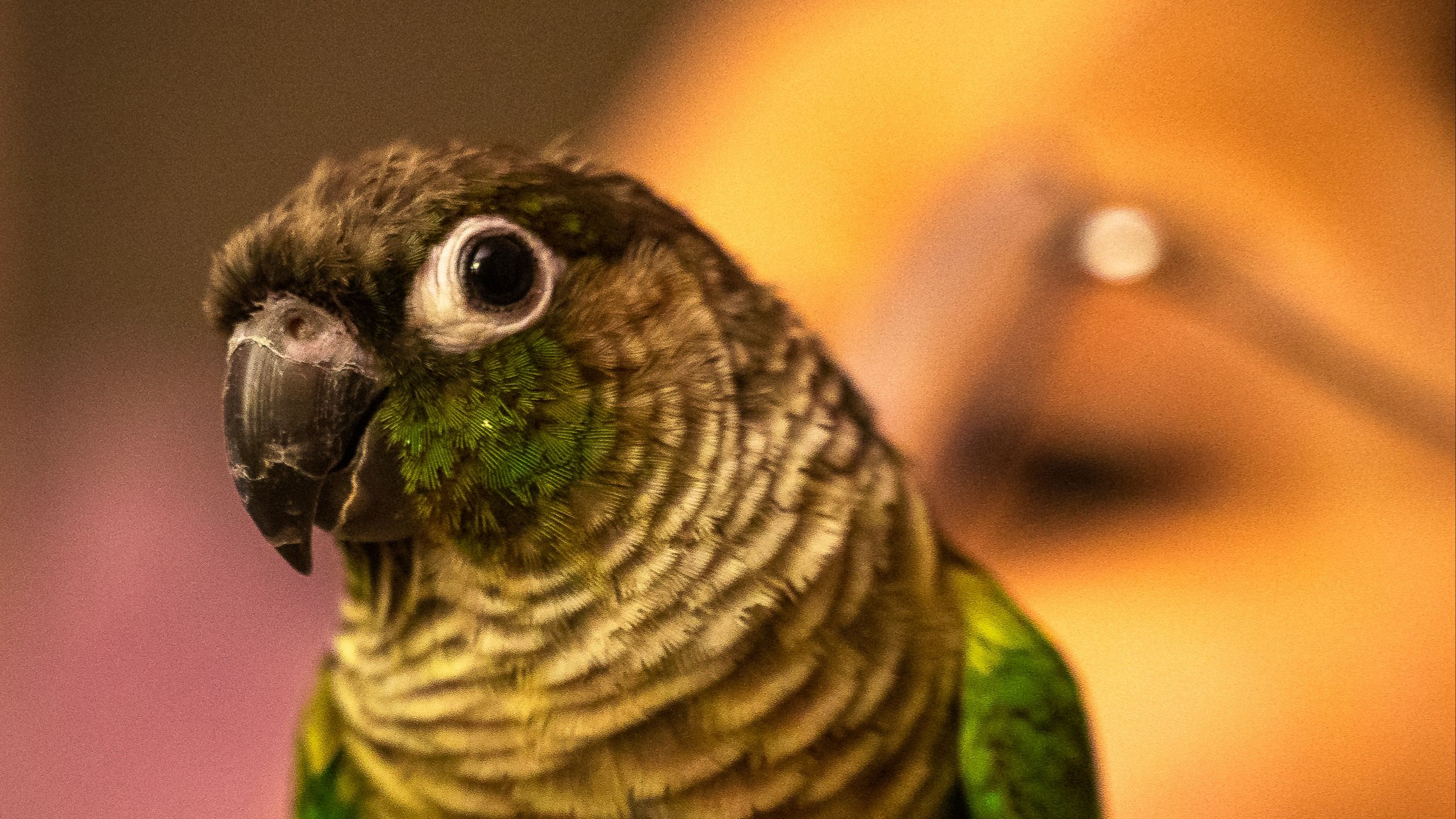
Conure vs. cockatiel: we break down the real differences in noise, personality, training, and care so you can choose with confidence.
So, you’re ready to welcome a feathered friend into your home, and you’ve narrowed it down to two charming contenders: the conure and the cockatiel. Both are incredibly popular pet parrots, known for their engaging personalities and moderate size. But while they might both be parrots, they have distinct needs and temperaments. At Beak School, we believe that understanding your bird before bringing them home is key to a happy, enriched life for both of you. Let's dive into the world of conures and cockatiels to help you make an informed decision.
Understanding Their Unique Personalities and Needs
While individual birds will always have their own quirks, there are some general traits that tend to differentiate conures and cockatiels. Knowing these can help you align a bird’s natural inclinations with your lifestyle.
Conures: The Bold and Playful Companions
- Size & Appearance: Conures are a diverse group, ranging from the small Green-cheeked Conure to larger Sun Conures and Jenday Conures. Their vibrant colors and sleek build are undeniably eye-catching.
- Personality: Conures are often described as bold, mischievous, and highly interactive. They tend to be very playful, full of energy, and love to explore. Many enjoy being "in on the action" and want to be part of family activities. They can be quite acrobatic and enjoy climbing, swinging, and chewing.
- Affection & Bonding: Conures can form extremely strong bonds with their chosen human(s), often seeking out cuddles and head scratches. They can be very affectionate, often tucking into clothes or snuggling close. However, their strong bond can sometimes lead to possessiveness if not managed with good training and boundaries.
- Destructive Tendencies: Their natural curiosity and strong beaks mean they are avid chewers. Providing a constant supply of appropriate chew toys is not just a recommendation; it’s a necessity to prevent them from destroying household items and to keep their beaks healthy.
Cockatiels: The Gentle and Curious Souls
- Size & Appearance: Cockatiels are smaller than most conure species, characterized by their slender bodies, long tails, and the distinctive crest on their heads that expresses their mood. Common color mutations include grey, lutino, pearl, and pied.
- Personality: Cockatiels are generally known for their gentle, sweet, and curious nature. They are often less demanding than conures and can be quite content to observe their surroundings from a shoulder or a perch. They are highly intelligent and enjoy puzzle toys and learning new tricks.
- Affection & Bonding: Cockatiels can be incredibly affectionate and enjoy head scratches and gentle petting. They often form bonds with multiple family members and are generally more tolerant of new people once comfortable. They communicate their comfort and happiness through their crest – a relaxed crest indicates contentment, while an upright crest often signifies excitement or alarm.
- Destructive Tendencies: While they enjoy chewing, cockatiels are typically less destructive than conures. However, they still need a variety of appropriate chew toys to satisfy this natural behavior and maintain beak health.
Noise Levels, Vocalizations, and Communication
One of the most significant considerations when choosing a parrot is their potential for noise. Both conures and cockatiels are parrots, and all parrots make noise. However, the type and intensity of their vocalizations differ.
Conures and Their Calls
- Loudness: Many conure species, especially the larger ones like Sun Conures or Jenday Conures, are known for their loud, piercing calls. These alarm calls and flock calls are a natural part of their communication and can be quite intense, especially during morning and evening "flock calls" or when they perceive a threat.
- Speech Ability: While some conures can learn a few words or phrases, they are not typically known for their extensive talking abilities. Their vocalizations are more often characterized by squawks, chirps, and expressive noises.
- Management: You cannot train a conure *not* to make noise, as it's part of their biology. We can, however, use positive reinforcement to reward calm, quiet behavior, and ensure their environment is enriching enough to prevent boredom-induced screaming. Understanding their natural flock call times can also help you manage expectations.
Cockatiels and Their Melodies
- Loudness: Cockatiels are generally considered quieter than many conure species. Their calls are less piercing and more melodic. They produce a variety of chirps, whistles, and trills.
- Speech & Whistling: While they may not be prolific talkers, many cockatiels, particularly males, are excellent whistlers. They can mimic tunes, alarms, and even short phrases. This charming ability makes them very engaging companions.
- Communication: Cockatiels use a range of subtle body language, including their crest, to communicate. Learning to read their cues is vital for building trust and understanding. Positive reinforcement can be used to teach them to whistle on cue or to reinforce desirable quiet behaviors.
Training, Enrichment, and Daily Care Commitments
Both species thrive on interaction, enrichment, and consistent positive reinforcement training. However, their specific needs will vary.
Care for Conures
- Training: Conures are intelligent and eager learners. They respond exceptionally well to positive reinforcement and can be taught a wide array of behaviors, from step-up and recall to tricks and problem-solving. Early and consistent training is crucial for managing their bold personalities and preventing unwanted behaviors like nipping or possessiveness. Enrichment toys that challenge their minds are a must.
- Socialization: They require significant social interaction. A conure left alone too often can become bored, destructive, or develop behavioral issues. Daily dedicated interaction time is essential for their well-being.
- Diet & Health: A high-quality pelleted diet should form the base of their nutrition, supplemented with fresh vegetables, some fruits, and occasional healthy treats. Regular vet check-ups are important.
- Environment: A spacious cage is vital, allowing room for flight, climbing, and toys. They need a variety of perches of different textures and diameters. Their active nature means they need plenty of supervised out-of-cage time for play and exploration.
Care for Cockatiels
- Training: Cockatiels are also intelligent and highly trainable using positive reinforcement. They excel at learning whistles, target training, and simple tricks. Their gentle nature makes them particularly rewarding to train, and they enjoy the interaction.
- Socialization: While perhaps not as intensely demanding as some conures, cockatiels still require daily social interaction. They thrive on companionship and enjoy being part of the family’s activities. They can become lonely if neglected.
- Diet & Health: Similar to conures, a high-quality pelleted diet, fresh vegetables, and some fruits are essential. They can be prone to certain health issues like fatty liver disease if their diet isn't managed properly.
- Environment: A large cage with plenty of room to stretch their wings, climb, and play is important. They benefit from a variety of perches and engaging toys. Supervised out-of-cage time is important for their mental and physical health.
Which Bird Is Right for YOUR Life?
Choosing between a conure and a cockatiel isn't about one being "better" than the other; it's about finding the best match for your lifestyle, living situation, and personality.
- Consider your living situation: Do you live in an apartment with close neighbors? The potential loudness of some conure species might be a significant factor. A quieter cockatiel might be a better fit.
- Time commitment: Both species need daily interaction and care, but conures often demand more intense, active play sessions. Are you prepared for a bold, interactive companion, or do you prefer a gentler presence?
- Tolerance for noise: Can you genuinely live with loud, piercing calls, even if they are only for short periods? Or would you prefer the more melodic chirps and whistles of a cockatiel?
- Experience level: While both are good choices for first-time parrot owners who are committed to learning, a cockatiel might be a slightly more forgiving species for beginners adapting to parrot ownership due to their generally less intense personalities.
- Chewing tolerance: Are you ready to manage a bird that sees everything as a potential chew target? Conures are more likely to be highly destructive than cockatiels.
Final Thoughts
Regardless of whether you choose a conure or a cockatiel, remember that you are committing to a long-term relationship with an intelligent, emotional, and social being. Both species can make incredible, loving companions when provided with a force-free, enriching environment, proper nutrition, and consistent positive reinforcement training. Take your time, do your research, and prepare thoroughly – your future feathered family member will thank you for it!