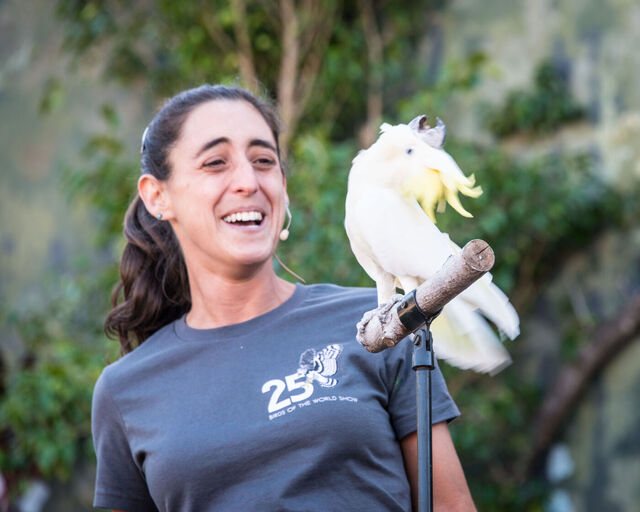
Discover how loud your parrot truly is with our honest, species-by-species guide and expert tips for naturally managing vocalizations using positive reinforcement.
One of the most common questions new and prospective parrot owners have is, "How loud will my parrot be?" It's a fantastic question, and one that deserves an honest answer. Parrots, by nature, are vocal creatures. In the wild, their calls serve crucial purposes: communicating with their flock, warning of predators, locating mates, and establishing territories. This isn't just "noise" to them; it's communication! When they come into our homes, these natural instincts don't magically disappear. However, not all parrots are created equal in the volume department. Let’s dive into a realistic breakdown by species, and then discuss force-free ways to live harmoniously with your feathered friend's natural voice.
Understanding Parrot Vocalizations: Not Just Volume, But Type
Before we categorize species by volume, it's important to differentiate between types of vocalizations. A loud macaw shriek serves a different purpose than a soft cockatiel chirp, even if both are considered "noise" to a human ear. Understanding why your parrot might be vocalizing is the first step to addressing it.
- Contact Calls: "Where are you? I'm here!" These are often the loudest and most piercing calls, designed to carry over a distance in the wild to keep flocks together. Many parrots will use these to locate you in the house.
- Alarm Calls: "Danger!" A sudden loud noise, a strange person at the door, or even a perceived threat outside can trigger these.
- Excitement/Joy: Parrots can get loud when they’re happy, playing, or anticipating something fun like a treat or a training session.
- "Just Because": Sometimes, parrots just like the sound of their own voice! Many will have a "scream time" around dawn or dusk, mimicking natural flock calls in the wild.
- Learned Behavior: If a parrot learns that a particular vocalization gets them attention, food, or out of their cage, they will repeat it. This is where force-free training comes in!
Remember, a parrot that never vocalized would likely be a sick parrot. Our goal isn't silence, but harmonious living.
The Honest Breakdown: How Loud Are They, Really?
This is a general guide, and individual personalities certainly play a role. A "quiet" species might have a particularly chatty individual, and vice-versa. Always meet the individual bird if possible!
The "Loud and Proud" Species (Prepare for Volume!)
- Macaws (Scarlet, Blue & Gold, Greenwing, Hyacinth): Yes, macaws are renowned for their powerful voices. Their contact calls can be deafeningly loud, designed to travel miles. A macaw shriek can easily reach over 100 decibels. They will use these to find you! While they have quieter periods and can learn to talk, expect significant volume.
- Large Cockatoos (Moluccan, Umbrella): Cockatoos are not just loud, but they can be persistent. Their shrieks are piercing and can be extremely startling. They are also prone to screaming for attention if not properly socialized and enriched. Expect high volume, especially around contact calls and if bored or frustrated.
- Amazons (Double Yellow Head, Yellow Nape, Blue Front, Green Cheek): Amazons are fantastic talkers and singers, but they also have very distinct, loud contact calls and "happy squawks." They can be incredibly boisterous, especially during their "scream time" around dawn and dusk. Their vocalizations are often more varied than macaws or cockatoos, but no less loud at their peak.
- African Grey Parrots: While often celebrated for their intelligence and talking ability, Greys can produce incredibly loud, harsh squawks and shrieks, particularly if startled, alarmed, or trying to locate you. Their mimicry can also be very loud, perfectly replicating phone rings or fire alarms at full volume.
- Conures (Sun, Jenday, Mitred, Patagonian): Many conure species are small but mighty when it comes to vocalizations. Sun conures, in particular, are famous (or infamous) for their piercing, high-pitched shrieks. They are often described as having a "small body, big voice" syndrome. A flock of conures can be incredibly loud.
The "Moderately Vocal" Species (Manageable with Training)
- Eclectus Parrots: Eclectus are generally not as prone to prolonged screaming as some of the species above. Their calls can still be loud and piercing, especially their alarm calls or contact calls, but they tend to be less frequent. They often have more chattery, squawky vocalizations.
- Caiques: Caiques are energetic and playful, and their vocalizations reflect this. They can be quite loud when excited or playing, and their contact calls can be sharp. However, they don't typically have the sustained, high-decibel screams of a macaw or cockatoo.
- Quaker Parrots: Quaker parrots are known for their chattering, squawking, and impressive talking abilities. Their calls can be loud and repeated, but often have a distinct raspiness rather than a piercing shriek.
The "Generally Quieter" Species (But Still Parrots!)
- Cockatiels: While they can absolutely make noise, especially during alarm calls or contact calls to their flock (you!), cockatiels tend to have a softer, more melodic vocalization compared to larger parrots. Whistling and chirping are common, but their loudest calls are generally less ear-splitting.
- Parakeets (Budgerigars): Budgies are chatty little birds! They chirp, chatter, and sing almost constantly, but their volume is low. Even a large flock of budgies creating a delightful symphony is unlikely to disturb your neighbors. Their "loudest" is a sweet, gentle chatter.
- Brotogeris species (e.g., Grey-winged, Tui Parakeets): These small parrots are generally on the quieter side, with chattery, squawky calls that are less piercing than conures of similar size.
Expert Tips from the Beak School team: Managing Noise Naturally
No matter the species, you can absolutely live harmoniously with your parrot's natural voice. The key is to respond thoughtfully and use force-free, positive reinforcement methods.
- Reinforce Quiet, Not Loud: This is fundamental. If your parrot screams and you immediately rush over, give attention, or offer a treat, you're inadvertently training them that screaming gets results. Instead, wait for a moment of quiet, even a second, then calmly approach, praise, and reward.
- Proactive Enrichment is Key: A bored parrot is often a loud parrot. Provide a rich environment with foraging toys, shreddable toys, puzzle toys, and rotate them regularly. A parrot busy working for food or destroying a toy is a quiet parrot.
- Identify the Root Cause: Is your parrot screaming because they can't see you (contact call)? Are they bored? Are they alarmed by something? Once you know the "why," you can address it. For contact calls, teach an "I'm here!" phrase from another room, and respond while calm.
- Teach an Alternative Behavior: Instead of "Don't scream!", teach "Do this instead." For example, if your parrot screams for attention, teach them to say "step up" softly or ring a bell (a quiet one!) for attention. Reward the alternative profusely.
- Manage Your Environment: Can you minimize triggers? If your parrot screams at the mailman, pull the blinds during mail delivery time. If they're sensitive to noises, provide a "safe room" or quiet space.
- Consistency with All Household Members: Everyone in the home needs to be on the same page with how they respond to vocalizations. Inconsistency will confuse your parrot and hinder progress.
- Positive Reinforcement for Appropriate Vocalizations: When your parrot is making pleasant sounds – chirping, chattering, talking nicely – provide attention, praise, and rewards immediately. Our goal is to encourage the vocalizations we enjoy, not just stop the ones we don't.
- Ignore Unwanted Vocalizations (When Safe & Logical): This is easier said than done, especially with piercing screams. But if you've already provided for their needs (food, water, safety, enrichment) and they're screaming for attention, often the best approach is to withhold attention until they are quiet, then reinforce the quiet. Never ignore signs of genuine distress or fear.
Final Thoughts
Living with a parrot means living with sound. By understanding their natural vocalizations, choosing a species that aligns with your tolerance for volume, and committing to force-free, positive reinforcement training, you can build a wonderful, communicative relationship with your feathered companion.