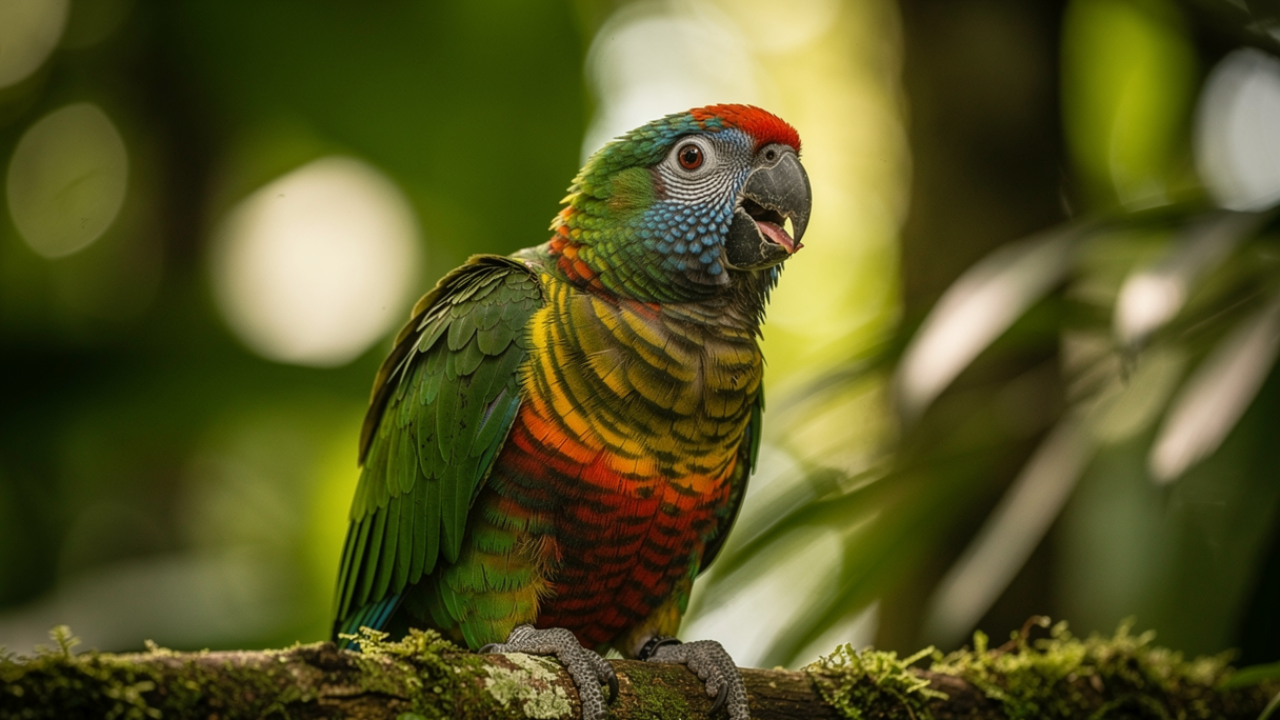
Uncover the science behind why your parrot screams for attention and master force-free, positive reinforcement methods to foster a peaceful home and stronger bond.
Why Your Bird Is Screaming for Attention and How to Address It
Ah, the parrot scream. It's a sound many bird owners know well, often followed by a mix of frustration and concern. While it can be jarring, it's crucial to understand that your bird isn't screaming just to annoy you. They're communicating, and often, that communication is a plea for connection. At Beak School, we believe in understanding the "why" behind behavior so we can apply effective, force-free solutions. Let's delve into why your feathered friend might be screaming for attention and how to gently guide them towards more desired forms of communication.
The "Why": Understanding Your Bird's Call for Connection
Imagine being a highly intelligent, social creature who depends entirely on their flock for safety, sustenance, and companionship. Now imagine that flock (you!) is ignoring them. What would you do? You'd make some noise! For parrots, vocalizations are their primary way of keeping in touch and signaling their needs. When they scream for attention, they are often trying to tell us something vital.
It's a Natural Flock Behavior
- Contact Calls: In the wild, parrots use contact calls to locate their flock members. When you leave the room, your bird's instinct is to call out to ensure you’re still nearby and safe. A single call-and-response is normal and healthy. Persistent screaming indicates a breakdown in this communication or an underlying unmet need.
- Alarm Calls: Though less common in attention-seeking scenarios, a sudden, sharp scream might be an alarm call, signaling perceived danger. Always rule out actual threats first.
You Might Be Accidentally Reinforcing It
This is where it gets tricky. We often inadvertently teach our birds that screaming gets them what they want. Think about it:
- Negative Attention is Still Attention: When your bird screams, you might rush into the room, yell "Be quiet!", or even just make eye contact. To your bird, this is success! They got a reaction.
- Inconsistent Responses: Sometimes you ignore it, sometimes you respond. This creates an intermittent reinforcement schedule, which research shows is the most powerful way to maintain a behavior. Your bird learns that if they scream long enough, eventually, they'll get what they want.
- Lack of Alternative Communication: If your bird hasn't been taught other ways to get your attention (like a gentle chirp, a wave, or even a soft "step up" cue), screaming becomes their go-to.
Unmet Needs and Environmental Factors
Before assuming pure attention-seeking, always rule out other factors:
- Boredom & Lack of Stimulation: Is your bird's environment enriched? Do they have enough appropriate toys to destroy, puzzles to solve, and opportunities for physical and mental engagement? A bored bird is often a loud bird.
- Loneliness: Parrots are highly social. Are they getting enough dedicated one-on-one time with you?
- Fear or Anxiety: Is there something new in the environment? A new pet, a rearranged room, or even a loud noise from outside can trigger distress.
- Lighting & Sleep: Is your bird getting 10-12 hours of uninterrupted, dark sleep each night? Poor sleep can lead to grumpy, loud birds.
- Diet: A poor diet can affect mood and behavior. Ensure they are on a healthy, balanced diet of pellets, fresh vegetables, and some fruits.
- Medical Issues: Always consult your avian vet if there's a sudden, unexplained change in behavior, including increased screaming. Pain or illness can manifest as irritability and vocalizations.
Force-Free Solutions: Guiding Towards Calm Communication
Now that we understand the "why," let's talk about the "how." Our approach at Beak School is always rooted in positive reinforcement, building trust, and teaching desired behaviors.
1. Reinforce Calm, Quiet Behavior
This is the cornerstone. You want to teach your bird that being quiet and calm gets them attention, not screaming. It sounds simple, but it requires consistency:
- "Catch Them Being Good": The moment your bird is quiet, even for a second, immediately go over and offer a preferred reward – a favorite treat, a head scratch, a few words of praise. The timing here is crucial! You want them to associate quietness with positive outcomes.
- The "Ignore and Reward" Cycle: If your bird starts to scream, turn your back, walk away, or simply disengage. The *moment* they pause or quiet down, immediately turn back, approach, and reward. This sends a clear message: "Screaming gets no attention, quietness gets attention."
- Be Patient: This will take time, especially if the screaming has been reinforced for a while. It will likely get worse before it gets better (an extinction burst), as your bird will try harder to get the old response. Stay strong and consistent!
2. Teach an Alternative Attention-Seeking Behavior
Don't just remove the undesirable behavior; replace it with a desirable one! Teach your bird a different way to ask for attention, such as:
- A Soft Contact Call: Respond only to a soft chirp or whistled phrase. When they make this sound, immediately respond or go to them.
- A Specific Action: You can even teach them to ring a bell, wave, or come to the front of their cage quietly to ask for interaction. Use positive reinforcement to shape these behaviors.
3. Enrich Their World
A busy bird is often a quiet bird. Ensure your bird's environment is mentally stimulating:
- Plenty of Toys: Offer a variety of chewable, shreddable, foraging, and puzzle toys. Rotate them frequently to keep things interesting.
- Foraging Opportunities: Make them work for some of their food. Hide treats, use foraging toys, or scatter pellets. This taps into their natural instincts.
- Scheduled Interaction: Dedicate specific times each day for one-on-one interaction, training, or play. This predictability can reduce anxiety and the need for constant calling.
- "Out of Cage" Time: Supervised time outside the cage is essential for exercise and exploration.
4. Manage Your Own Behavior & Expectations
- Consistency is Key: Everyone in the household must be on the same page with how they respond to screaming. Inconsistency undoes all progress.
- Don’t Yell: Raising your voice or reprimanding your bird for screaming is counterproductive. It’s still attention, and it can also damage your bond.
- Set Up for Success: Anticipate when your bird might scream (e.g., when you leave the room) and try to engage them with a compelling toy or foraging opportunity right before you go.
- Acceptance: Parrots are naturally noisy creatures. Occasional contact calls or happy squawks are normal and part of their charm. The goal isn't silence, but controlled, appropriate vocalizations.
Final Thoughts
Addressing attention-seeking screaming requires patience, consistency, and a deep understanding of your parrot's natural behaviors. By using force-free methods, reinforcing calm behavior, providing ample enrichment, and teaching alternative ways to communicate, you can transform your home into a more peaceful environment and build an even stronger, more trusting bond with your beloved feathered companion. Remember, your bird is always trying to communicate; it's our job to understand and guide them kindly.