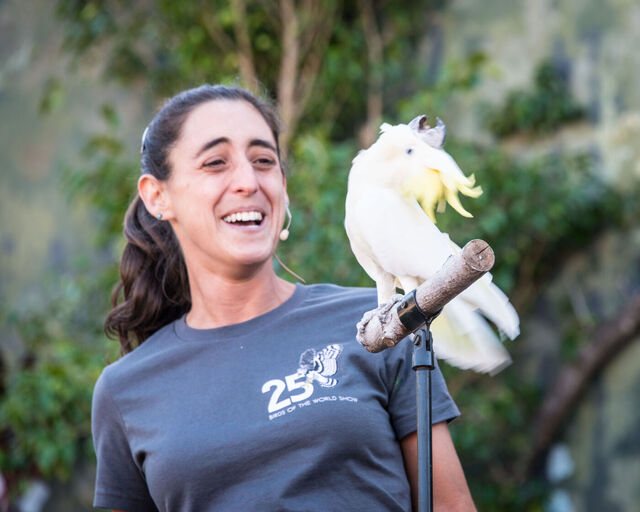
Owning a parrot is a significant financial commitment, often costing far more than prospective owners anticipate.
Introduction
Bringing a parrot into your home is a decision filled with joy, companionship, and a lifetime of learning. However, it's also a significant financial commitment that many prospective owners underestimate. At Beak School, we believe in being fully transparent about what it takes to provide a rich, fulfilling life for your feathered family member. This isn't just about initial purchase price; it's about understanding the ongoing costs of providing a force-free, enriching environment. Let's break down the real numbers so you can make an informed decision for yourself and your future companion.
Initial Setup: Getting Started Right
The upfront costs are often the first hurdle, and they’re much more than just the bird itself. Investing wisely from day one sets the stage for a healthy, happy parrot.
The Bird Itself
- Small Parrots (e.g., Budgies, Cockatiels, Lovebirds): $20 - $200. While some can be found for very low prices, a hand-reared, well-socialized individual from a reputable breeder or rescue will be on the higher end of this scale.
- Medium Parrots (e.g., Conures, Quakers, Caiques): $300 - $1,200. Species like Green-cheeked Conures are often more affordable than, say, a more exotic Caique.
- Large Parrots (e.g., Amazons, African Greys, Cockatoos): $800 - $3,000+. Some rare macaw species can even exceed $5,000. Price often reflects rarity, hand-rearing, and age.
- Rescue/Adoption: $50 - $500. This is often the most ethical and sometimes more cost-effective option, as adoption fees typically cover initial vet checks and sometimes even basic supplies. However, many rescue birds come with specific behavioral or medical needs.
Be wary of extremely cheap birds. They often come from neglectful situations, pet mills, or are ill, leading to much higher vet bills and behavioral challenges down the line.
Cage and Enclosure
This is where many new owners cut corners, to the detriment of their parrot. Your parrot's cage is their safe haven, their bedroom, and their main living space. It needs to be spacious, safe, and easily cleanable.
- Minimum Size Requirements: Always go larger than the "minimum." For small parrots, think 24"x24"x24" at least. Medium parrots need 30"x30"x36" or bigger. Large parrots require 36"x48"x60" or more. Think flight space and room for toys and perches.
- Material and Construction: Powder-coated steel or stainless steel are ideal. Avoid galvanized wire that can chip or flake.
- Cost Range:
- Small: $100 - $300
- Medium: $200 - $700
- Large: $500 - $2,000+
- Travel Cage/Carrier: $30 - $150. Essential for vet visits and safe transport.
Initial Supplies & Accessories
- Perches (various sizes and textures): $50 - $200. Essential for foot health and enrichment. Avoid dowel perches as the sole option. Think natural branches, rope, cement, and platform perches.
- Food & Water Bowls (stainless steel): $30 - $100. At least 3-4 bowls for food, water, and fresh veggies.
- Initial Toy Haul: $100 - $300. Parrots are destructive by nature and need a constant rotation of engaging, safe toys. Don't underestimate this!
- Lighting (Full Spectrum UV/Heat Lamp): $100 - $250. Crucial for vitamin D3 synthesis and overall well-being, especially for indoor birds.
- Emergency First Aid Kit: $50 - $100. Styptic powder, Vet Wrap, sterile gauze, saline solution, small scissors, etc.
- Play Stands/Out-of-Cage Perches: $50 - $300. Encourages enrichment and interaction outside the cage.
Total Initial Setup: Realistically, you're looking at $600 - $3,000+ before you even buy the bird, depending on species and your commitment to quality.
Ongoing Monthly & Annual Costs
The initial investment is just the beginning. The day-to-day and year-to-year expenses are where many owners get surprised.
Food
A high-quality, varied diet is paramount for parrot health. This is never an area to skimp on.
- Pellets: The foundation of a healthy diet (approx. 60-80%). Brands like Harrison's, Roudybush, Zupreem (natural formula), or Lafeber's are excellent.
- Cost: $15 - $60 per month, depending on bird size and brand.
- Fresh Fruits, Vegetables, and Grains: Essential for vitamins, minerals, and enrichment. This will add to your grocery bill.
- Cost: $20 - $80 per month, depending on how much and what variety you offer. Don't forget sprouts, cooked grains, and healthy table foods.
- Treats & Foraging Supplies: $10 - $30 per month. Healthy treats and items for foraging toys.
Total Monthly Food: $45 - $170+
Toys, Enrichment & Other Supplies
Parrots need a constant rotation of new, safe, and stimulating toys. Their mental health depends on it!
- New Toys: $30 - $150 per month. This varies wildly depending on your parrot's destructive tendencies and size. Large parrots can go through toys rapidly. Look for reputable online retailers or make your own safe foraging toys.
- Cage Liners/Substrate: $10 - $30 per month. Newspaper, plain brown paper, or special cage liners.
- Cleaning Supplies: $10 - $20 per month. Bird-safe disinfectants, brushes, sponges.
Total Monthly Toys & Supplies: $50 - $300+
Training & Education
Investing in your parrot's behavioral well-being is priceless and entirely force-free.
- Online Courses/Workshops (Beak School!): $50 - $300 annually (or one-time purchase). Learning positive reinforcement techniques and understanding parrot behavior is invaluable.
- Consultations with a Certified Avian Behaviorist: $100 - $300+ per session. For specific behavioral challenges that require expert guidance.
Total Annual Training: $0 - $500+ (highly variable, but highly recommended).
Veterinary Care: The Non-Negotiable Expense
Access to a qualified avian vet is not optional. Parrots hide illness until they are severely unwell, so preventative care and emergency funds are critical.
Annual Wellness Exam
Even if your parrot seems perfectly healthy, an annual check-up with an avian veterinarian is crucial.
- Cost: $80 - $250. This typically includes a physical exam, fecal analysis, and possibly basic bloodwork.
Diagnostic Testing
Often recommended during initial exams or if an issue arises.
- Bloodwork: $100 - $300 (per panel, can include CBC, chemistry, avian disease testing).
- X-rays/Radiographs: $100 - $300.
- Chlamydia/Psittacosis Testing: $50 - $150.
Emergency or Illness Care
This is where costs can skyrocket rapidly. Parrots are fragile and can go downhill fast.
- Office Visit (Emergency): $100 - $300+.
- Medications: $20 - $200+.
- Hospitalization/Critical Care: $300 - $1,000+ per day.
- Surgery: $500 - $3,000+.
Budget for Vet Care: A minimum of $150 - $500 per year for routine care, and have an emergency fund of $1,000 - $3,000+ readily available for unexpected serious illness or injury.
Pet Insurance: Consider avian pet insurance if available, which can mitigate the cost of major emergencies. Review policies carefully.
The Grand Totals: What to Expect
Let's summarize the financial picture:
- Initial Setup & Purchase: $600 - $3,000+ (one-time investment).
- Ongoing Monthly Costs (Food, Toys, Supplies): $95 - $470+. This means $1,140 - $5,640+ annually for basic needs.
- Annual Vet Care (Routine): $150 - $500+.
- Emergency Vet Fund: $1,000 - $3,000+ (should be available at all times, ideally in a separate savings account).
So, for your first year, expect to spend anywhere from $2,890 to over $9,140, excluding major emergencies. In subsequent years, the annual cost will likely be between $1,290 and $6,140+, plus maintaining that emergency fund.
Final Thoughts
The numbers can seem daunting, and they should. This isn't meant to discourage you, but to empower you to make a truly responsible and well-prepared decision. Parrots are long-lived, intelligent creatures that deserve nothing less than the best. Providing a force-free, enriching environment requires not just time and love, but also a sustainable financial commitment. If these figures are within your comfortable means, then you're one step closer to welcoming a remarkable companion into your life. If they cause concern, it's a good indication to pause, save, and perhaps consider fostering or volunteering at a parrot rescue to fully understand the commitment before making a lifetime promise.