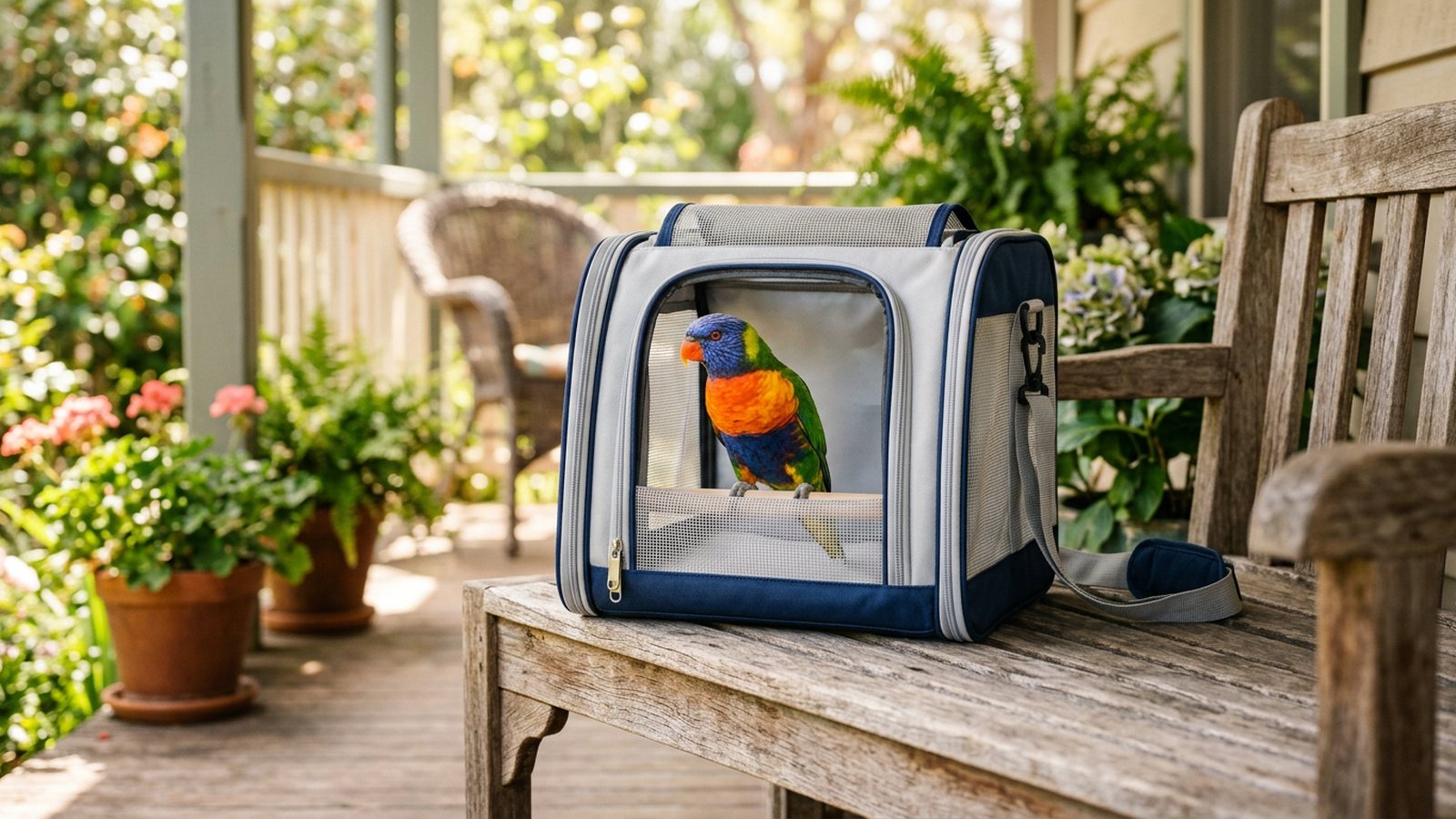
Beyond the initial adoption fee, owning a parrot involves a significant financial commitment for their lifelong care, from cages and food to vet visits and enrichment.
Thinking about bringing a beautiful parrot into your home? This is an incredibly exciting journey, and we at Beak School are thrilled you're doing your research! One of the most important aspects of providing a happy, healthy life for your feathered friend is understanding the financial commitment involved. Parrots are not like goldfish; they are intelligent, long-lived, and require specialized care. Let's break down the true costs so you can plan a budget that truly supports your parrot's well-being.
The Initial Investment: Setup Costs
This is where many people underestimate the financial outlay. It’s not just about the adoption fee; it's about creating a safe, stimulating environment from day one.
The Parrot Itself
- Adoption/Purchase Fee: This varies wildly based on species, age, and where you acquire your bird. Rescues often have lower fees ($50 - $300+) but still cover vet checks and initial care. Breeders can range from a few hundred dollars for smaller birds like cockatiels and conures ($150 - $800) to several thousand for larger macaws or exotic species ($1,000 - $10,000+). Always choose a reputable source that prioritizes the bird’s health and well-being.
Housing
The cage is your parrot’s primary home, and it needs to be appropriately sized and constructed.
Initial Supplies & Enrichment
- Toys: Parrots are intelligent and need constant mental stimulation. Start with a variety of shreddable, foraging, and chewing toys. Plan on $50 - $150+ to start.
- Seed/Pellet Storage: Airtight containers are a must to keep food fresh and deter pests. $10 - $30.
- Cleaning Supplies: Bird-safe disinfectants, brushes, and rags. $20 - $50.
- Travel Carrier: Essential for vet visits and emergencies. Choose a size appropriate for your bird. $40 - $150+.
Ongoing Monthly/Annual Expenses
These are the costs you'll incur regularly throughout your parrot's long life. This is where consistent budgeting really comes into play.
Food
Diet is paramount for a parrot's health. A high-quality diet prevents many common health issues.
- High-Quality Pellets: Should form the base of the diet (around 60-80% for most species). Brand matters! Expect to pay $15 - $60+ per bag, depending on size and brand.
- Fresh Fruits & Vegetables (Chop): This is non-negotiable. Plan for a regular grocery bill dedicated to bird-safe produce. This can easily add $20 - $50+ to your weekly grocery bill.
- Occasional Treats/Seeds: Sparingly given and for training purposes. Maybe $10 - $25 per month.
Total Monthly Food Estimate: $50 - $150+ depending on bird size and diet variety.
Veterinary Care
An avian-certified vet is a specialized professional, and their services cost more than a typical dog or cat vet.
- Annual Check-up: Essential for preventative care. Expect between $80 - $200+ for an exam, possibly more for basic blood work or other diagnostics.
- Emergencies/Illnesses: This is the big unpredictable cost. A sick parrot can quickly rack up hundreds to thousands of dollars in diagnostics, medication, and hospitalization.
- Example: A simple infection might cost $150 - $400 for examination, culture, and medication. A serious issue could be $1,000+.
- Beak & Nail Trims: If you're not comfortable doing these yourself (and many owners aren't, especially initially), your vet or a specialized groomer will charge for these. $20 - $50 per session, as needed.
Budget Tip: Consider setting aside an emergency fund (at least $500 - $1,000) or looking into pet insurance specifically for birds (though options are more limited than for cats/dogs).
Ongoing Enrichment & Supplies
- Toys: Toys get destroyed (that's their purpose!). You'll need to regularly replace them. Budget $20 - $70+ per month, depending on your bird's chewing habits and size.
- Foraging Toys/Supplies: Paper, cardboard, safe wood, and food items to refill foraging toys. $10 - $30 per month.
- Cleaning Supplies: Regular purchases of bird-safe cleaners, cage liners (if you use them, though newspaper is often a cheap and effective option). $10 - $20 per month.
- Replacement Perches: Perches can wear out or become soiled beyond cleaning. $10 - $30 every few months.
Total Monthly Enrichment Estimate: $40 - $120+.
Beyond the Basics: Other Potential Costs
These might not be monthly, but they are important to consider for a complete picture.
- Bird Sitter/Boarding: If you travel, you'll need reliable care. A good parrot sitter knowledgeable about bird care can charge $20 - $50 per day. Professional boarding facilities might be similar.
- Training Resources: While Beak School offers many free resources, you might invest in online courses, webinars, or even a local force-free avian behavior consultant for specific challenges. These can range from $50 for a course to $100 - $300+ for a consultation.
- Air Purifier: Especially for dusty birds like cockatiels or cockatoos, an air purifier can improve air quality for both you and your bird. A good one can be $100 - $400+ and requires filter replacements.
- Lighting: A full-spectrum UV light designed for birds is crucial for Vitamin D synthesis and overall health, especially for birds kept indoors. Expect $40 - $100 for the fixture and bulb, with bulbs needing replacement every 6-12 months ($20 - $40/bulb).
- Insurance: As mentioned, pet insurance for birds is less common but worth investigating for larger, more expensive species or if you want peace of mind.
- Emergency Fund: This bears repeating. Always have a dedicated "sick bird" fund.
Final Thoughts
Owning a parrot is a rewarding experience, but it comes with significant financial responsibility. By understanding and planning for these costs – both initial and ongoing – you can ensure you provide the best possible life for your feathered companion, free from financial stress. Remember, a parrot is a lifelong commitment, often spanning decades, so budget planning needs to reflect that longevity. Being prepared financially is a huge part of being a responsible, force-free parrot guardian.