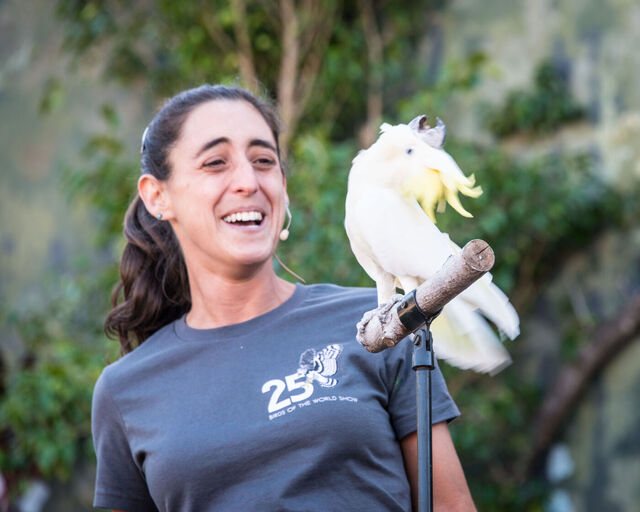
Learn science-based, force-free techniques to manage your parrot's hormonal behaviors and restore peace to your home without losing your mind.
Ah, spring! Or perhaps it’s autumn, or even the middle of winter. For us, it might mean longer days or cozy nights, but for our parrot companions, it often heralds the annual (or bi-annual, or even constant!) rollercoaster of hormonal changes. If you’ve ever found yourself wondering why your sweet, cuddly bird suddenly transformed into a screaming, biting, nesting whirlwind, you’re not alone. Hormonal behaviors can be challenging, frustrating, and even a little scary, but the good news is that understanding these natural urges and applying science-based, force-free methods can help you navigate this period with grace and fewer gray hairs. Let's explore how to support your parrot through their hormonal phase without resorting to outdated or harmful techniques.
Understanding Hormonal Behavior in Parrots
Before we dive into solutions, let’s get a clearer picture of what hormonal behavior actually looks like in our feathered friends. Parrots are incredibly sensitive creatures, and their natural instincts to breed are powerful. These instincts are triggered by a combination of environmental cues (like light cycles, temperature, and perceived nesting sites) and internal physiological changes.
Common Signs of Hormonal Action:
- Increased Vocalization: More screaming, squawking, or even learned phrases repeated with intensity. This is often a call for a mate.
- Territorial Aggression: Your usually friendly bird might become fiercely protective of their cage, a favorite perch, or even you. They might lunge, bite, or try to chase you away.
- Nesting Behaviors: Shredding paper, attempting to enter dark, enclosed spaces (like cabinets, under furniture, or even your shirt), or meticulously rearranging toys in their cage.
- Regurgitation: An endearing, albeit messy, sign of affection meant for a perceived mate. While it might feel sweet, it's a strong hormonal signal.
- Excessive Mating Postures: Lowering the head, fluffing feathers, and wing trembling.
- Destructive Chewing: An increased need to chew for nest building materials.
- Pinning: If your parrot is pinning (splaying their wings and pressing their body down), especially combined with vocalizations, it's a clear signal to back off.
It's crucial to remember that your parrot isn't being "naughty" or deliberately difficult. They are simply acting on ancient, powerful instincts. Responding with anger, punishment, or force will only damage your bond and exacerbate their stress and fear.
Addressing Environmental Triggers: The First Line of Defense
Many common household practices inadvertently promote hormonal behaviors. By making a few adjustments, we can significantly reduce the intensity and duration of these phases. Our goal is to make our homes less appealing as a breeding habitat.
- Light Cycles: This is arguably the most significant trigger. Parrots need a consistent, dark, and undisturbed sleep period. Aim for 10-12 hours of uninterrupted sleep per night. This often means covering the cage completely or moving them to a quiet, dark room at bedtime. Avoid keeping them in brightly lit rooms late into the evening. A dawn/dusk simulation light or a timer for their cage light can also be beneficial.
- Diet: A rich diet, especially one high in fats and proteins, signals abundance and readiness for breeding. Review your parrot's diet. While a balanced diet is essential, during hormonal periods, you might temporarily reduce the amount of high-fat foods (like nuts, seeds, and avocado) and focus on a healthy pellet base with plenty of fresh vegetables. Always consult with an avian vet for dietary changes. Limit soft, warm, "mushy" foods as these can mimic regurgitation.
- Nesting Sites: Remove any potential nesting areas. This means no dark boxes, baskets, happy huts, snuggler beds, or even spaces under furniture where your parrot can disappear. Be vigilant about perceived "caves" – an open cabinet door or a gap behind a book shelf can be an invitation. If your parrot frequently tries to go into your shirt or under blankets, gently redirect them.
- Pets and Affection: Be mindful of how you interact with your parrot. Any petting below the neck, under the wings, or on the back can be interpreted as foreplay by your bird, encouraging sexual behavior. Restrict petting to the head and neck only. And while it’s tempting, try to avoid letting your bird crawl into your clothing or snuggle too closely in a way that mimics pair-bonding or nesting.
- Toy Management: Be aware of toys that promote nesting. For instance, paper to shred, or toys that provide small, dark enclosures. While shredding is a great natural behavior, if it becomes obsessive nest-building, a temporary redirection might be needed.
Behavioral Management: Force-Free Techniques
When hormonal behaviors manifest, it’s crucial to respond with calm, consistent, and force-free positive reinforcement. This means no yelling, no shaking the cage, no "time-outs" in dark rooms (unless it's their regular sleep schedule), and absolutely no spray bottles.
- Redirection and Positive Reinforcement: When you see a hormonal behavior starting (e.g., trying to get into a "nest"), immediately redirect their attention to an appropriate, engaging activity. Offer a favorite shreddable toy, a foraging opportunity, or a training session for a preferred trick. When they engage positively, lavish them with praise and a small, healthy treat.
- Manage Your Own Reactions: Your frustration will only escalate your parrot's stress. Take a deep breath. If your bird is lunging or biting, give them space. Step away, observe, and come back when you're both calmer.
- Target Training and Step-Up: Reinforce these foundational skills constantly. If your bird is cage aggressive, using a target stick can allow you to move them safely without risking a bite, preserving your relationship. Reward desired behaviors generously.
- Avoid Reinforcing Undesired Behaviors: As hard as it is, try not to react to screaming or biting (unless it's a safety issue). Any reaction, even a negative one, can sometimes be perceived as attention. If your bird is screaming, wait for a quiet moment, even a half-second pause, then reinforce the quiet. Similarly, if they bite, remove your hand calmly and distance yourself without drama.
- Enrichment, Enrichment, Enrichment: Boredom can amplify hormonal frustration. Ensure your parrot has a rich environment with a variety of appropriate toys, foraging opportunities, and safe spaces for independent play. A stimulated mind is a less hormonally-focused mind.
- "Crisis Management" for Bites: If your parrot is lunging or biting aggressively due to hormones, avoid reaching directly into their cage or personal space. Use a towel for transport only if absolutely necessary and with caution, ensuring it's not a source of fear. Focus on preventing bites by creating distance and redirecting.
- Vet Consultation: If behaviors are extreme, persistent, or causing self-harm, consult an avian veterinarian. They can rule out underlying medical issues and, in some rare cases, discuss hormonal implants, which can provide temporary relief while you work on environmental and behavioral modifications.
Consistency is Key
Dealing with a hormonal parrot is not a one-time fix; it requires consistent, long-term effort from all family members. Everyone in the household needs to be on the same page regarding light cycles, interaction styles, and environmental management. Hormonal periods can last weeks or even months, but with patience and dedication to force-free methods, you can help your parrot navigate these natural instincts more smoothly, reduce stress for everyone, and strengthen your bond. Remember to celebrate small successes, and never stop learning about your amazing companion.
Final Thoughts
Dealing with a hormonal parrot can feel like a marathon, not a sprint. Remember to be patient, both with your bird and with yourself. By understanding their biology, proactively managing their environment, and responding with force-free, positive reinforcement, you can help your parrot through this natural phase without losing your mind. In fact, you'll likely emerge with an even deeper, more trusting relationship with your feathered friend.