
May 13, 2026
How to Discourage Egg-Laying Behavior in Your Pet Parrot
Chronic egg-laying can severely impact your parrot's health; discover force-free strategies and environmental modifications to effectively discourage this taxing behavior and support your feathered friend's well-being.
Try for $27
Beak School·The authority in force-free parrot behavior
Force free, science based training for companion parrots.
The author of this article is separate from the Beak School training courses and their instructors.
Force-free methods, always
If you are not sure which pattern your bird is stuck in, the will tell you.
The most impactful changes we can make to discourage egg-laying are often right in our parrot's immediate environment. By altering these cues, we can signal to their bodies that it's not the right time to breed.
Light Cycles and Sleep
- Mimic Natural Light Cycles: Parrots in the wild experience distinct changes in daylight hours throughout the year. Too much consistent light can signal endless summer – prime breeding season. Aim for 10-12 hours of uninterrupted sleep in complete darkness each night. This means having your parrot in a quiet, dark room, or covering their cage completely with a heavy, light-blocking cover.
- Seasonal Shifts: During prime breeding seasons (often spring and summer for many species), you might even consider slightly reducing light exposure to 9-10 hours, gradually building back up. Consistency here is key to regulating their hormones.
Dietary Adjustments
- Balanced Nutrition, Not Excessive Calories: A diet rich in high-fat, high-sugar foods (like too many nuts, seeds, or human junk food) can signal an abundance of resources, which a parrot's body interprets as excellent conditions for breeding.
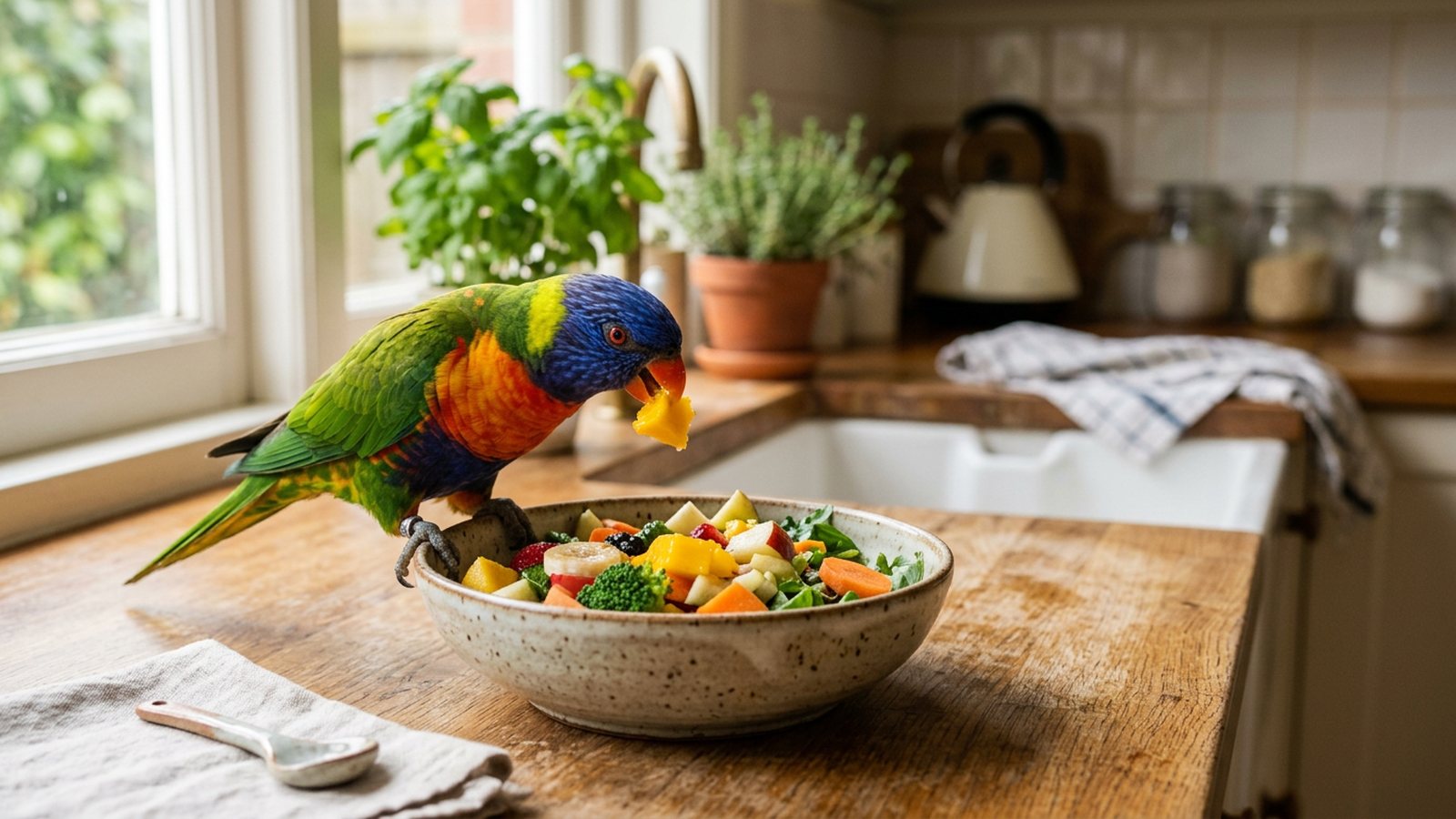
- Pellets as the Foundation: Ensure their diet is primarily a high-quality pelleted diet, supplemented with fresh dark leafy greens, vegetables, and a small amount of fruit.
- Calcium: While a balanced diet is crucial, ensure your parrot has access to supplemental calcium if recommended by your avian vet. However, simply offering more calcium doesn't stop egg-laying; it just helps replenish what's lost if eggs are laid.
Nest Site Opportunities
- Remove ALL Potential Nesting Sites: This is perhaps one of the most critical steps. Parrots are opportunistic nesters. This means:
- No enclosed spaces: Remove happy huts, snuggle huts, cardboard boxes, old t-shirts, bird tents, hollow toys, or anything your parrot might perceive as a dark, cozy cavity.
- Block off under furniture: Prevent access to places under beds, sofas, or behind curtains where they might try to build a nest.
- Discourage "Shredding" Behavior in Nest-Like Places: If your parrot habitually shreds paper or wood in a specific spot, even if not enclosed, reconsider that placement or the type of material.
- Don't Encourage Resource Guarding: If your parrot becomes overly protective of a specific toy or area, it might be a precursor to nesting. Change up toys and cage setups frequently to prevent this.
Behavioral Strategies: Redirection and Positive Reinforcement
Beyond the environment, how we interact with our parrots can also inadvertently encourage egg-laying. We can use force-free positive reinforcement to redirect hormonal behaviors.Managing Hormonal Interactions
- Avoid Petting Below the Neck: For many parrots, petting their back, under their wings, or around their tail can be interpreted as a courtship or sexual interaction. This triggers hormonal responses. Stick to petting their head and neck – areas birds preen for each other, but not typically in a strictly romantic context.
- Discourage Regurgitation: If your parrot regurgitates food for you, gently but firmly put them back in their cage or on a neutral perch, signaling that this behavior doesn't earn your attention. Do not punish, just disengage.
- One-on-One Time: While quality interaction is vital, ensure your parrot isn't becoming overly bonded to one person, especially in a way that mimics a pair bond. If they are constantly seeking attention from only one person, try to distribute interaction among family members.
Enrichment and Distraction
- Increase Foraging Opportunities: Keeping your parrot mentally and physically engaged with foraging toys and activities can shift their focus away from hormonal urges. Make them "work" for their food.
- Introduce New Toys and Perches: Frequently rotate and introduce novel toys to keep their environment stimulating and prevent boredom, which can sometimes lead to obsessive behaviors, including nesting.
- Flight and Exercise: Encourage ample flight time (if safe) or other forms of exercise. A physically active parrot is often a less hormonally driven parrot. Utilize positive reinforcement to encourage desired behaviors in these activities.
When an Egg is Laid
- Leave the Eggs Alone (Initially): If your parrot does lay an egg, it's generally best to leave it in the cage for a few weeks (around 2-3 weeks for most species). Removing them immediately can signal to your parrot's body that the clutch isn't complete, potentially prompting them to lay more to replace the "missing" eggs. After a few weeks, once they lose interest, you can gently remove them. Never shake, pierce, or damage the eggs.
- Consult Your Avian Vet: If chronic egg-laying is a persistent problem, or if you notice any changes in your parrot's behavior, droppings, or physical condition, an avian veterinarian consultation is crucial. They can check for underlying health issues and discuss medical interventions like hormone therapy if necessary.
Final Thoughts
Preventing chronic egg-laying is a proactive, force-free approach that prioritizes your parrot's long-term health and well-being. By understanding the triggers and implementing these environmental and behavioral adjustments, you can help steer your feathered friend away from unhealthy hormonal cycles and towards a happier, healthier life. Consistency and patience are key, and remember your avian vet is always your best partner in managing your parrot's health.Keep learning
Pellets vs. Seeds: What Avian Vets Actually Recommend
Uncover the truth about parrot nutrition: avian vets overwhelmingly recommend pellets over seeds for a longer, healthier life and vibrant feathers.
What Holiday Foods Are Toxic to Birds? A Complete Safety Guide
Keep your feathered friend safe this holiday season! Learn which common festive foods are toxic to parrots and discover delightful, safe alternatives to share.
Q&A: My Bird Won't Eat Its Pellets Help!
Is your feathered friend turning up their beak at pellets? Don't worry, we've got force-free solutions and expert advice to help them embrace a healthier diet!