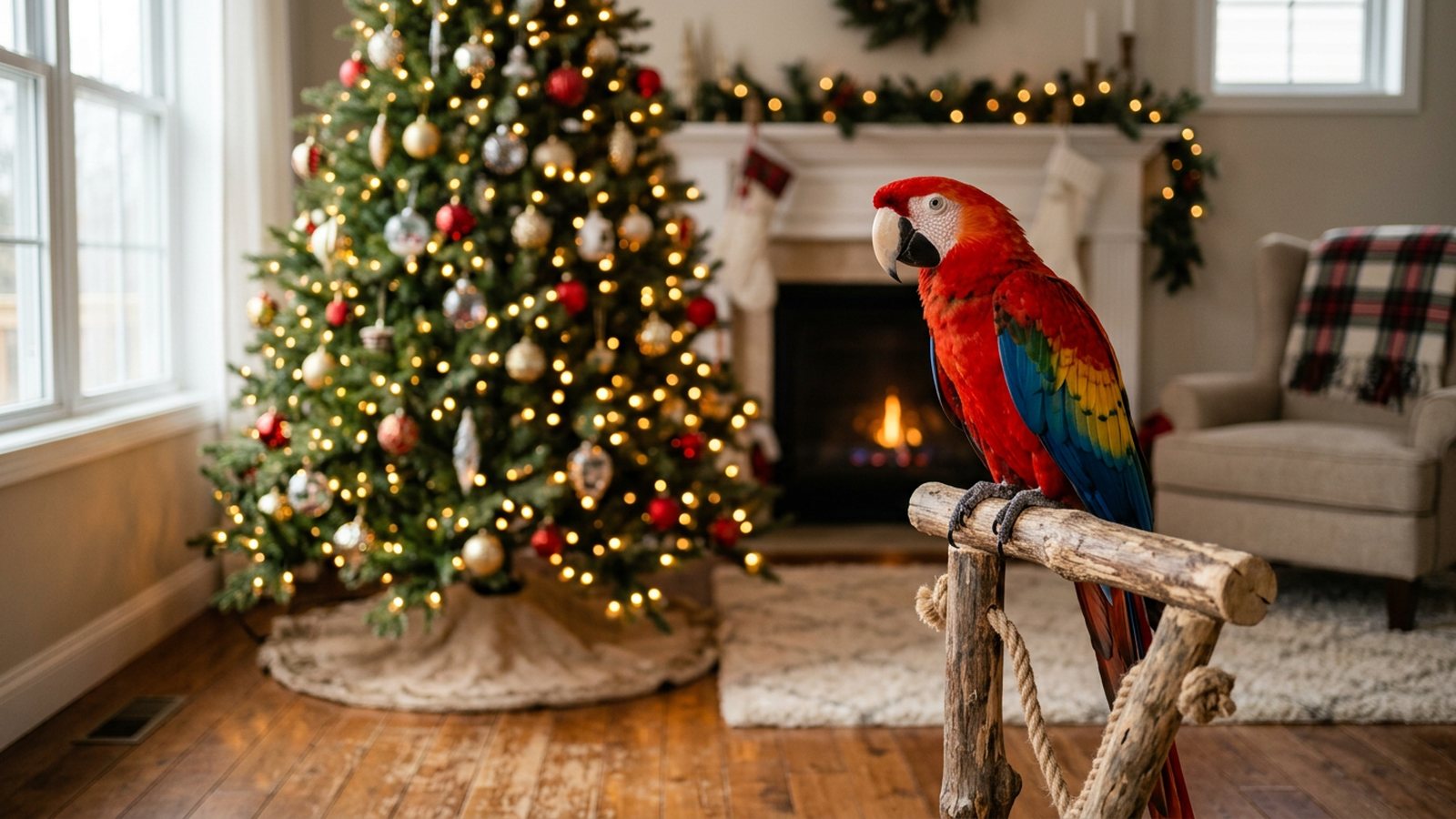
Keep your feathered friend safe this holiday season! Learn which common festive foods are toxic to parrots and discover delightful, safe alternatives to share.
The holidays are a time for joy, togetherness, and, let's be honest, delicious food! While you're feasting on festive delights, it's natural to want to include your beloved feathered family member in the celebrations. We love seeing our parrots enjoy new tastes and textures, and sharing a moment over a tasty snack can be a wonderful bonding experience. However, many of our favorite holiday dishes contain ingredients that are perfectly safe for humans but incredibly dangerous, even toxic, for our avian companions. At Beak School, our top priority is always the well-being and safety of your birds. So, before you offer a nibble from your plate, let’s go through a complete safety guide to ensure your parrot enjoys a happy, healthy, and hazard-free holiday season.
The Naughty List: Toxic Holiday Foods for Parrots
This is arguably the most important section, so pay close attention! When in doubt, it's always best to err on the side of caution. Even a tiny amount of some of these ingredients can cause serious health issues for your parrot, ranging from digestive upset to organ damage or worse. Let's break down the common holiday culprits:
Chocolate and Cacao Products
- Why it's toxic: Contains theobromine and caffeine, which birds cannot metabolize efficiently.
- Symptoms: Hyperactivity, tremors, seizures, vomiting, diarrhea, rapid heartbeat, and even death.
- Holiday relevance: Chocolate cakes, cookies, candies, hot cocoa, chocolate-covered fruits. Keep all of these far away!
Alcohol
- Why it's toxic: Birds are extremely sensitive to alcohol due to their small size and rapid metabolism.
- Symptoms: Depression, respiratory distress, liver damage, coma, and death.
- Holiday relevance: Alcoholic beverages (wine, beer, spirits), rum cakes, brandy sauces, certain fruit preserves. Even a small sip can be fatal.
Avocado
- Why it's toxic: Contains persin, a fungicidal toxin found in the skin, pit, and sometimes the flesh of the fruit, especially the Guatemalan variety common in stores.
- Symptoms: Respiratory distress, heart damage, weakness, inability to perch, and sudden death.
- Holiday relevance: Guacamole, avocado dips, even a stray piece from a salad. It's best to avoid offering any part of an avocado to your bird.
Onions and Garlic (and related allium species)
- Why it's toxic: Contains sulfur compounds that can cause oxidative damage to red blood cells, leading to anemia.
- Symptoms: Weakness, lethargy, loss of appetite, pale gums, rapid breathing, collapse.
- Holiday relevance: Stuffing, gravies, casseroles, roasted vegetables, dips, seasoned meats. These are staples in many holiday dishes, so be extra careful.
Xylitol (Artificial Sweetener)
- Why it's toxic: While more commonly associated with dogs, xylitol can also be highly toxic to birds, causing a rapid drop in blood sugar and liver failure.
- Symptoms: Weakness, vomiting, seizures, liver damage.
- Holiday relevance: Sugar-free candies, gums, baked goods, certain diet products. Always check ingredient labels.
Caffeine
- Why it's toxic: Stimulates the central nervous system and heart, which birds are highly sensitive to.
- Symptoms: Hyperactivity, tremors, increased heart rate, cardiac arrest.
- Holiday relevance: Coffee, tea (black, green, herbal if it contains caffeine), energy drinks, certain sodas.
Excessive Salt and Sugar
- Why it's toxic (in large amounts): While not immediately toxic in small quantities, high levels can lead to dehydration, kidney issues, electrolyte imbalances, and obesity over time.
- Symptoms: Increased thirst, diarrhea, kidney problems, heart issues.
- Holiday relevance: Cured meats (ham, bacon), seasoned snacks (chips, pretzels), many processed desserts, candied fruits.
Processed and Fried Foods
- Why it's toxic (long-term): High in unhealthy fats, artificial ingredients, and empty calories. Can lead to obesity, liver disease, and other chronic health problems.
- Symptoms: Weight gain, lethargy, fatty liver disease.
- Holiday relevance: Fried appetizers, greasy meats, most store-bought snack foods.
The Nice List: Safe and Festive Alternatives for Your Parrot
Just because many human holiday foods are off-limits doesn't mean your parrot can't enjoy some special treats! The key is to offer fresh, whole, unprocessed foods. Here are some fantastic, bird-safe options that can make your parrot feel involved in the festive cheer:
Fresh Fruits (in moderation)
Offer small pieces of:
- Apples: (seeds removed!) A crunchy favorite.
- Pomegranates: The arils are fun to de-seed and a great source of antioxidants.
- Cranberries: Fresh or unsweetened dried (check for added sugars!), a festive splash of color.
- Oranges/Tangerines: A juicy, vitamin C-rich treat.
- Berries: Blueberries, raspberries, strawberries – tiny, antioxidant powerhouses.
Healthy Vegetables
Steamed, roasted (plain, no oil or salt!), or raw:
- Sweet Potatoes/Pumpkin/Squash: Cooked and mashed (plain), or small pieces for chewing. Rich in Vitamin A.
- Carrots: Raw or steamed, great for beak health.
- Green Beans: Steamed or raw.
- Broccoli/Cauliflower: Cooked florets.
- Dark Leafy Greens: Kale, collard greens, romaine lettuce (avoid iceberg as it has little nutritional value).
Whole Grains and Legumes
- Cooked Plain Pasta or Rice: In very small quantities, unsalted and unseasoned.
- Cooked Quinoa or Millet: Excellent sources of protein and nutrients.
- Cooked Lentils or Chickpeas: Plain, without any seasoning.
Nuts (unsalted, in moderation)
A holiday classic! Always offer unsalted and in-shell if possible, for enrichment.
- Almonds
- Walnuts
- Pistachios
- Macadamias (sparingly, they are high in fat)
Sprout Mixes
Freshly sprouted seeds are a nutritional powerhouse and a fantastic enrichment food. You can buy specialized bird sprout mixes.
Holiday Safety Tips Beyond Food
Your parrot's safety during the holidays extends beyond their diet. The festive season often brings changes to our homes that can be hazardous:
- Decorations: Keep your bird away from tinsel, string lights, candles, and fragile ornaments. Many decorations can be ingested, cause entanglement, or burn.
- Holiday Plants: Poinsettias, mistletoe, and holly are toxic. Keep them out of reach or opt for safe artificial alternatives.
- Open Doors/Windows: With guests coming and going, be extra vigilant about open doors and windows to prevent accidental escapes.
- Scented Candles/Air Fresheners: The fumes from these can be highly irritating and toxic to a bird's sensitive respiratory system. Avoid using them anywhere near your parrot.
- Overnight Guests: Inform guests about your bird's dietary restrictions and the importance of not offering human food without your permission. Consider putting a polite sign on the cage.
- Noise and Stress: The holidays can be loud and busy. Provide your bird with a quiet space if they seem stressed, and ensure their routine is as consistent as possible.
Teaching Positive Behavior Around Food
Instead of trying to "punish" your bird for trying to get food, we encourage a force-free approach. This involves proactive management and teaching positive behaviors:
- Crate or Play Stand Time: During meal times, you can place your parrot in their cage or on a designated play stand with their own safe holiday treat to enjoy. This teaches them that mealtime isn't about begging from your plate, but about enjoying their own special food.
- Reinforce "Go to Place": If your bird has a "go to their cage" or "go to their stand" cue, use it and reward them with a high-value, bird-safe treat. This helps manage their location during busy times.
- Avoid Offering From Your Plate: This is the simplest way to prevent accidental ingestion and to prevent begging behavior. If you want to share, prepare a separate, bird-safe portion beforehand.
- Distraction and Enrichment: Offer engaging toys, foraging opportunities, or a special shower during busy moments to keep your parrot happily occupied.
Final Thoughts
The holidays are a time for creating beautiful memories with all members of your family, including your cherished feathered friends. By being informed about what foods are toxic and offering plenty of safe, delicious alternatives, you can ensure your parrot enjoys a healthy, happy, and safe festive season. A little preparation goes a long way in protecting your bird and allowing everyone to celebrate without worry. Happy holidays from all of us at Beak School!