
April 24, 2026
How to Keep Your Parrot Safe During the Holidays: A Complete Seasonal Guide
Keep your feathered friend safe and sound this holiday season and beyond with our comprehensive guide to parrot-proofing your home.
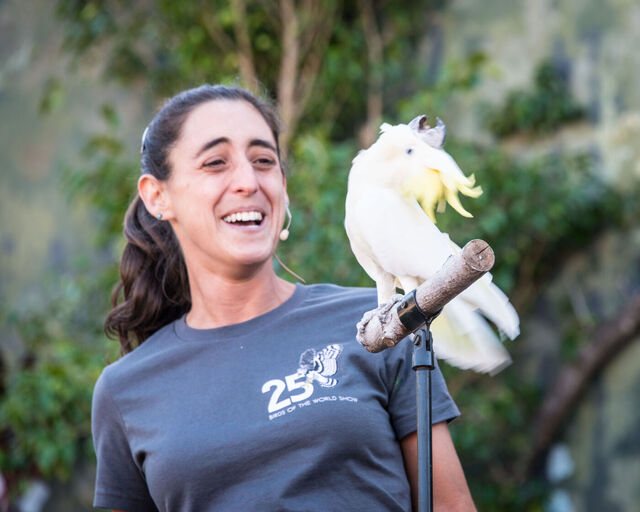
By Cassie Malina , CPBC, CPBT-KA
Force-free parrot behavior trainer and founder of Beak School. About Cassie
The heart of many holiday celebrations revolves around food, glittering decorations, and a house full of people – all of which require special attention when you have a parrot.
Toxic Foods: A Holiday Feast for Humans, Not Birds
Many of our favorite holiday treats are highly toxic to parrots. Even a tiny crumb can be dangerous. It's best to assume that any human food not specifically prepared for your parrot is off-limits.
- Chocolate, Coffee, and Caffeine: These are absolute no-gos. They contain theobromine and caffeine, which are stimulants that can cause hyperactivity, tremors, seizures, and even death in birds. Keep all chocolate desserts, coffee cups, and caffeinated beverages far out of reach.
- Alcohol: Just like chocolate, alcohol is extremely poisonous to parrots. Absolutely no sips of wine, beer, or spirits should ever be offered, even as a joke.
- Avocado: Persin, a fungicidal toxin found in avocados, can be cardiotoxic to many bird species, leading to respiratory distress, weakness, and sudden death.
- Onions and Garlic: These contain sulfur compounds that can lead to hemolytic anemia in birds, damaging their red blood cells. Keep them out of your parrot's diet, raw or cooked.
- Salt and Sugary Foods: While not acutely toxic in small amounts, excessive salt can lead to kidney issues and dehydration, and too much sugar can contribute to obesity and other health problems. Avoid processed snacks, candies, and sugary baked goods.
- Artificial Sweeteners (especially Xylitol): Found in many "sugar-free" items, xylitol is extremely toxic to dogs and potentially dangerous for birds as well.
- Fruit Pits and Seeds: Apple seeds, cherry pits, peach pits, and apricot pits contain cyanide, which is toxic. Always remove them before offering fruit flesh.
Proactive Prevention: The best defense is a good offense! Before bringing human food into the bird room or letting your parrot out, ensure all surfaces are clean and free of crumbs. Have healthy, bird-safe snacks readily available for your parrot so they aren't tempted by human food. If you're hosting, kindly inform guests about your parrot's dietary restrictions and ask them not to offer any food.
Decorations and Holiday Plants: Sparkle with Caution
Holiday decorations add festive cheer, but many pose a significant risk to curious beaks.
- Tinsel, Ribbons, and String: These are incredibly appealing for parrots to chew on but can cause severe internal blockages if ingested. Keep them out of reach.
- Ornaments: Glass ornaments can shatter, causing cuts. Plastic ones can be chewed into sharp shards. Many ornaments are painted with lead-based paints or contain other toxic materials. Opt for bird-safe, non-toxic decorations if your parrot is allowed near the tree, or consider a bird-free zone for your decorated tree.
- Candles and Open Flames: Never leave candles unattended if your parrot is out of their cage. A curious bird could burn themselves or even knock over a candle, starting a fire. Consider LED candles for safety.
- Holiday Plants: Poinsettias are often cited as highly toxic. While not usually lethal, they can cause mouth and stomach irritation. Mistletoe and holly berries, however, are highly toxic and can be deadly. Keep all potentially toxic plants completely out of your parrot's reach or, better yet, out of the house.
- Wires and Electrical Cords: Ensure all holiday lights and extension cords are safely tucked away and inaccessible. A parrot chewing on a live wire can suffer a fatal electric shock.
Enrichment Alternatives: Redirect your parrot's natural chewing instincts to safe, enriching toys. Offer plenty of shreddable toys, natural branches (like pre-screened apple or willow), and foraging opportunities to keep them happily occupied and away from dangerous decorations.
Guests and General Commotion: Managing the Human Element
While we love sharing our birds with others, a bustling house can be stressful and dangerous for parrots.
- Stress and Routine Disruption: Parrots are creatures of habit. A house full of strangers and altered routines can be very stressful. Observe your bird for signs of stress, such as feather plucking, aggression, or unusual quietness.
- Doorways and Escapes: More people mean more open doors. Be extra vigilant about keeping doors and windows closed, especially when guests are coming and going. Consider having your parrot safely caged or in a designated, supervised room during periods of high traffic.
- Unintended Release: A well-meaning but unknowledgeable guest might accidentally leave a cage door open or not secure it properly.
- Bites: An overwhelmed or frightened parrot is more likely to bite. Explain appropriate interactions to guests – no sudden movements, no poking fingers into the cage, and absolutely no force. If your parrot shows signs of discomfort, gently intervene and redirect the interaction.
Creating a Safe Haven: Designate a "safe zone" for your parrot, whether it's their cage in a quiet room or a designated playstand away from the main activity. Encourage guests to admire your parrot from a distance. If your parrot enjoys social interaction, supervise all interactions closely. For more shy birds, provide a quiet retreat where they can relax away from the festivities.
Beyond the Holidays: Year-Round Safety Considerations
While the holidays present unique challenges, many safety precautions are essential year-round.Temperature Control and Air Quality
Parrots are sensitive to changes in environment. Keep these in mind:
- Drafts and Temperature Fluctuations: Ensure your parrot's cage is not in a drafty area or directly under an air vent. Sudden temperature drops or rises can stress their system.
- Heating Sources: 🔥 If you have a fireplace or wood stove, ensure adequate ventilation. Carbon monoxide is deadly to birds. Heaters (space heaters, central heating) can dry out the air. Consider a humidifier to maintain good air quality, especially in winter.
- Toxic Fumes: This is a critical year-round concern. Non-stick cookware (PTFE coatings) can release toxic fumes at high temperatures, which are deadly to birds. Other culprits include aerosol sprays (air fresheners, hairspray, cleaning products), scented candles, paint fumes, and smoke from cigarettes or vaping. Always ensure these are kept far away from your bird, and never use them in the same room. Opt for bird-safe cleaning products and air purification.
Supervision and Enrichment
Consistent, positive care is your best safety tool.
- Supervised Out-of-Cage Time: When your parrot is out, they need direct supervision. This isn't just about preventing accidents; it's also a prime opportunity for positive reinforcement training, bonding, and enrichment.
- Safe Foraging and Play: Prevent boredom and destructive chewing by providing a constant supply of safe, engaging toys and foraging opportunities. Rotate toys regularly to keep things interesting. This proactive approach can prevent your parrot from seeking out dangerous items to chew.
- Emergency Preparedness: Have your avian vet's number on speed dial. Know the signs of a sick or injured bird. A small "birdie first-aid kit" can also be helpful for minor issues.