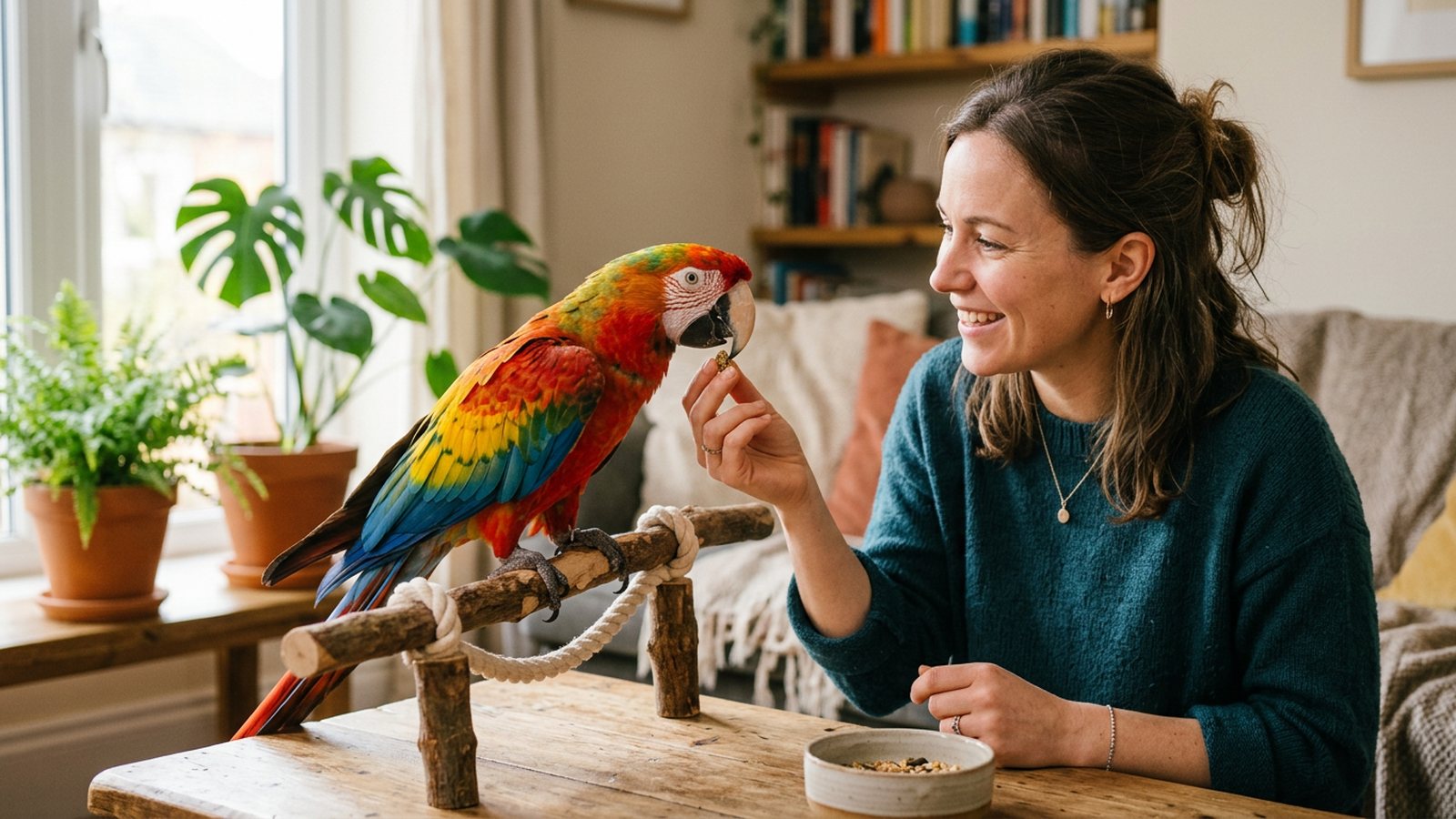
Hormonal parrots can be a handful, but understanding their natural urges and applying force-free strategies can help you navigate this challenging time with grace and maintain your bond.
Ah, spring! Or perhaps it’s autumn, or even the dead of winter – because for our feathered friends, hormonal seasons aren’t always as predictable as the calendar suggests. If your usually sweet and cuddly parrot has suddenly transformed into a screaming, biting, nest-building whirlwind, you’re likely staring down a hormonal season. It’s challenging, no doubt, but with patience and the right understanding, you can manage it without losing your cool (or your fingers!).
Understanding Hormonal Behavior in Parrots
First, let’s get one thing straight: your parrot isn’t behaving "badly" out of spite. They’re simply responding to powerful, natural biological urges. These urges are driven by changes in light cycles, temperature, diet, and even the presence of certain stimuli in their environment. Your parrot might be experiencing an intense drive to find a mate, build a nest, and reproduce, and it manifests in ways that are often disruptive to our human households.
Common signs of a hormonal parrot include:
- Increased Aggression: Biting, lunging, guarding, or being unusually territorial around their cage, you, or specific objects.
- Loud Vocalizations: More screaming, squawking, or contact calls than usual.
- Nest-Building Behavior: Shredding paper, digging in corners, trying to get into dark spaces (cabinets, under furniture, even your clothing).
- Regurgitation: Often directed at cherished objects (toys, your hand, reflection in a mirror) as a courtship display.
- Masturbation: Rubbing themselves on perches, toys, or even you.
- Pinning or Dominance Displays: Puffing up, pinning their pupils, attempting to initiate mating rituals.
- Egg Laying: For females, this is the ultimate expression of hormones and requires careful management to prevent chronic laying.
Recognizing these behaviors as normal, albeit inconvenient, biological responses is the first step towards managing them effectively. Remember, punishment or scolding will only damage your bond and increase your parrot's stress and confusion, potentially escalating the problem.
Environmental Management: Setting the Stage for Calm
Our goal during a hormonal phase is to minimize triggers and reduce the intensity of their breeding drives. This largely comes down to managing their environment.
- Light Cycle Control: This is arguably the most critical factor. Mimic winter light cycles by ensuring your parrot gets 10-12 hours of uninterrupted darkness every night. This means a quiet, dark room, or covering their cage completely with a breathable, opaque cover. Be consistent, even on weekends.
- Diet Adjustment: While a balanced diet is always important, during hormonal periods, reduce the richness of their diet slightly. This doesn't mean starvation! But cutting back on high-fat, high-protein foods like nuts, seeds, and even some sugary fruits can help. Focus on fresh vegetables and a good quality, low-fat pellet. Avoid feeding warm, mushy foods which can be perceived as courtship feeding.
- Remove Nesting Opportunities: This is huge.
- Remove any dark, enclosed spaces they might try to nest in. This includes bird huts, snuggle sacks, happy huts, and even toys they can crawl inside.
- Block access to cabinets, under furniture, or dark corners of the room.
- If they are digging in the bottom of the cage, consider changing the substrate or increasing foraging opportunities elsewhere to redirect the behavior.
- Don't provide shreddable materials excessively if they are exclusively using them for nesting.
- Toy Rotation and Enrichment: Keep them mentally stimulated but avoid toys that encourage nesting (like empty boxes or bowls they can 'fill'). Offer a variety of foraging toys, shreddable toys (when not used for nesting), and puzzle toys to keep their minds occupied and redirect energy away from breeding thoughts.
- Temperature Control: Avoid excessively warm temperatures, which can signal breeding season. Maintain a comfortable, consistent room temperature.
Behavioral Strategies: Positive Reinforcement to the Rescue
While environmental changes are foundational, how you interact with your parrot can either heighten or lessen hormonal behaviors.
- Manage Physical Contact: This is a big one. Avoid petting your parrot anywhere but their head and neck, especially during hormonal times. Petting their back, under the wings, or anywhere that mimics courtship can be highly stimulating and confusing. If your parrot is attempting to mate with your hand or arm, gently (and without fanfare) remove your hand and redirect their attention.
- Ignore Unwanted Behaviors, Reinforce Desired Ones: This is the cornerstone of force-free training.
- Screaming: If your parrot is screaming excessively, do not respond. Walk away, leave the room, or turn your back. As soon as they are quiet for even a second, return and calmly offer praise or a small treat. Consistency is key here.
- Biting/Aggression: If your parrot is lunging or biting, avoid punishing them. Instead, identify the trigger (e.g., getting too close to their cage, trying to take a toy). Manage the environment to prevent the trigger, and if you must approach, do so with caution and respect their boundaries. If they bite, don't react with a loud noise or jerking movement; this can be reinforcing. Briefly remove yourself from the situation.
- Regurgitation: If your parrot regurgitates on you or an object, calmly and without fuss, move away or remove the object. Do not reward this behavior with attention.
- Increase Foraging and Training: Provide plenty of opportunities for natural foraging behavior. This keeps them busy and redirects their energy into productive activities. Double down on training during this period. Short, fun training sessions using positive reinforcement can provide mental stimulation and strengthen your bond without encouraging hormonal behaviors. Teach new tricks, refine existing ones, or introduce target training.
- Respect Boundaries: Hormonal parrots often become more territorial and irritable. Lean into reading their body language. If they are showing signs of discomfort (pinning pupils, ruffled feathers, stiff posture), give them space. Don't force interactions.
- Social Interaction (Appropriate): Continue to provide social interaction, but ensure it's on your terms and doesn't encourage mating behaviors. Engage in talking, singing, and supervised playtime that doesn't involve excessive physical contact or nest-site exploration.
When to Seek Professional Help
While most hormonal phases will pass, sometimes the intensity or duration can be concerning. Don't hesitate to contact an avian veterinarian if:
- Your female parrot is laying too many eggs (more than 4-6 in a clutch, or multiple clutches without adequate rest). This can lead to serious health issues like egg binding, calcium depletion, and cloacal prolapse.
- Your parrot's aggression is unmanageable or has become dangerous.
- You notice any significant changes in appetite, droppings, lethargy, or other signs of illness.
- The hormonal period seems to last for an unusually extended time (many months).
- You are feeling overwhelmed and need personalized guidance. An experienced avian behavior consultant can help you develop a tailored plan.
Final Thoughts
Dealing with a hormonal parrot requires patience, consistency, and a deep understanding of their natural instincts. It’s a challenging time for both you and your bird, but by implementing environmental changes, using force-free behavioral strategies, and knowing when to seek professional help, you can navigate this period successfully, maintain your precious bond, and keep your sanity intact.