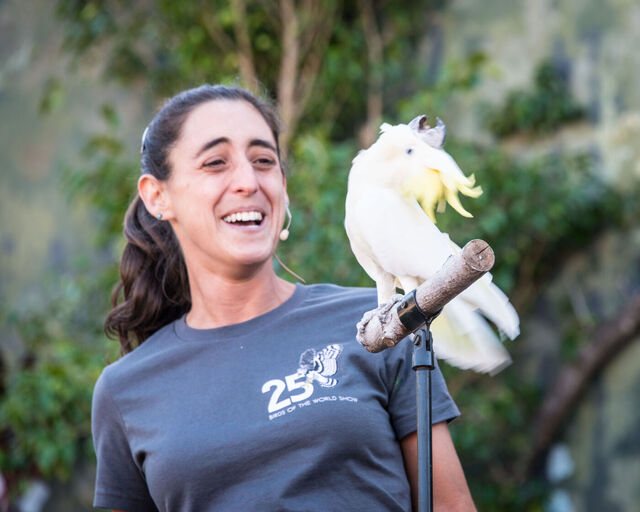
Uncover the truth about avocado and your feathered friend – it's more nuanced than a simple "yes" or "no," and we'll help you navigate what's truly safe.
You’ve likely heard it repeated countless times: “Never feed your parrot avocado! It’s deadly!” This stern warning is often among the first pieces of advice new bird owners receive, and for good reason—safety for our feathered companions is paramount. But like many widely circulated warnings, the full story behind avocado toxicity in birds is a bit more nuanced than a blanket “just say no.” As force-free bird guardians, we’re all about empowerment through knowledge, so let’s dig into the science and separate fact from fear about avocado and your beloved parrot.
The Truth About Avocado Toxicity in Birds
The primary concern with avocado for birds stems from a fungicidal toxin called persin. This fatty acid derivative is found in the avocado plant itself (leaves, bark, seeds, and skin) and, to varying degrees, in the fruit’s flesh. For certain animals, most notably some birds and large mammals like cattle and goats, persin can be toxic, causing symptoms ranging from respiratory distress and weakness to severe cardiac damage and even death. In birds, the effects of persin toxicity can include:
- Weakness and lethargy
- Fluffy, ruffled feathers (a common sign of illness)
- Difficulty breathing or panting
- Fluid accumulation around the heart (pericardial effusion) or in the lungs
- Congestion and edema of the lungs
- Sudden death
It’s important to note that the sensitivity to persin varies greatly among different species of animals, and even among different varieties of avocado. While some reports suggest that species like canaries, budgies, and cockatiels might be more susceptible, larger parrots can also be affected. The Guatemalan variety of avocado (the common Fuerte and Hass avocados you find in most grocery stores) is generally considered to contain higher levels of persin than the Mexican or West Indian varieties. However, without knowing the specific variety and the exact concentration of persin, it’s incredibly difficult to determine a “safe” amount.
Given the severe potential consequences and the variability in toxicity, veterinarians and avian experts overwhelmingly advise against feeding any part of an avocado to your parrot. Why take the risk when there are so many other safe and incredibly nutritious foods available?
Why the Confusion? "My Bird Ate Avocado and Was Fine!"
Despite the warnings, you might encounter stories from bird owners who report their bird accidentally ingested a small piece of avocado and seemed perfectly fine. This can be confusing and lead some to believe the warnings are overblown. So, what gives?
There are a few potential reasons for these anecdotal observations:
- Dosage and Sensitivity: As mentioned, toxic reactions are often dose-dependent. A tiny nibble might not contain enough persin to cause acute, noticeable symptoms in a particular bird, especially a larger one. Individual sensitivity also plays a huge role; just like humans react differently to medications or allergens, birds can react differently to toxins.
- Latency of Symptoms: The effects of persin aren't always immediate. Symptoms can sometimes be delayed for several hours or even a day after ingestion. A bird might appear fine initially, only to develop issues later.
- Mild Symptoms Unnoticed: In some cases, a bird might experience mild discomfort or subtle physiological changes that aren’t obvious to their guardian. Parrots are masters at hiding illness, a survival mechanism in the wild, so by the time symptoms are clear, a problem can be quite advanced.
- Different Avocado Varieties: Perhaps the avocado in question was a variety with lower persin levels. However, since most commercially available avocados are Guatemalan hybrids, this is an unreliable assumption.
While an individual bird might not show immediate ill effects, this doesn’t negate the overarching toxic potential of persin. The risks are too high to treat avocado as anything but a forbidden food. As force-free guardians, our goal is to set our birds up for success and safety, and eliminating known risks is a core part of that.
Safe and Nutritious Alternatives for Your Parrot
So, avocado is out. But don’t worry! There’s a whole world of delicious and safe produce your parrot will adore. Offering a varied diet is crucial for both physical and mental enrichment. Here are some fantastic, bird-safe options:
Leafy Greens & Vegetables:
- Dark Leafy Greens: Kale, collard greens, romaine lettuce (in moderation), dandelion greens (pesticide-free). Spinach should be offered sparingly due to oxalates.
- Broccoli & Cauliflower: Excellent sources of vitamins and minerals. Offer florets and stems.
- Carrots: Rich in Vitamin A. Offer raw, peeled, and chopped.
- Bell Peppers: All colors are safe and full of Vitamin C. Many birds love the crunch!
- Sweet Potatoes & Squash: Cooked and cooled are best. Great sources of Vitamin A.
- Zucchini & Cucumber: High water content, great for hydration.
- Peas & Green Beans: Offer fresh or frozen (thawed).
Fruits (in moderation due to sugar content):
- Apples: Cored and seedless! Apple seeds contain cyanide compounds and are toxic.
- Berries: Blueberries, strawberries, raspberries – nutrient powerhouses.
- Melons: Cantaloupe, honeydew, watermelon (seedless or with edible small seeds) are hydrating treats.
- Bananas: Offer in small quantities.
- Oranges & Other Citrus: Some birds enjoy citrus, but offer in moderation.
- Mango & Papaya: Exotic and full of vitamins. Remove the large seed/pit.
Whole Grains & Legumes:
- Cooked Whole Grains: Brown rice, quinoa, barley, oats (cooked plain, no sugar or additives).
- Cooked Legumes: Lentils, chickpeas, kidney beans (all must be thoroughly cooked, never raw).
- Sprouted Grains & Beans: Sprouting can increase nutrient availability and digestibility.
Always introduce new foods slowly and in small amounts to monitor for any adverse reactions. Wash all produce thoroughly to remove pesticides. Remember, variety is the spice of life, and it's also key to a nutritionally complete diet for your parrot alongside a high-quality pelleted diet.
Final Thoughts
When it comes to our beloved feathered companions, erring on the side of caution is always the smartest approach. While the conversation around avocado toxicity might seem complex, the takeaway for bird owners is simple: avocado is too risky. There are countless other safe, delicious, and enriching food options to offer your parrot that carry no such dangers. By choosing these nourishing alternatives, you’re not only safeguarding your bird’s health but also enriching their daily life with new tastes and textures—a true testament to force-free, positive reinforcement care.