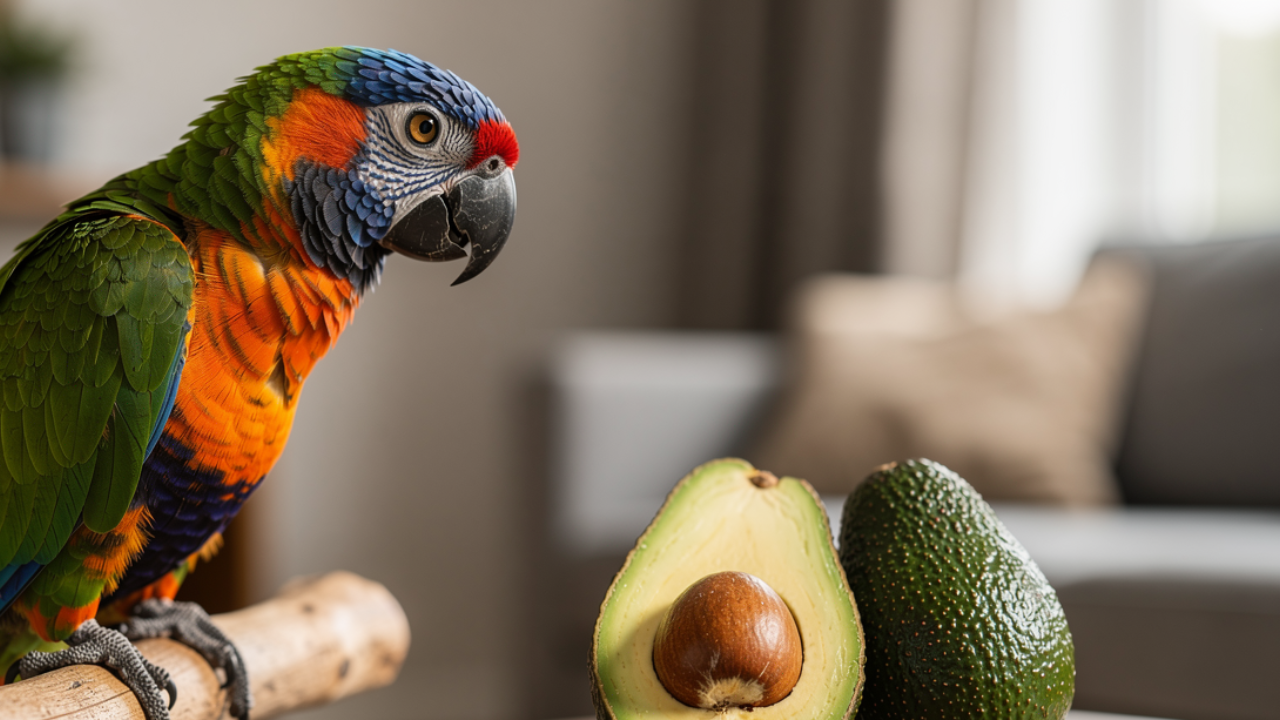
Avocado is not just "bad" for birds; it contains persin, a powerful toxin that can lead to heart failure and death in parrots and other pet birds.
Is Avocado Really Toxic to Birds? The Full Story
As devoted bird parents, we all want to offer our feathered companions the very best diet, full of delicious and nutritious treats. But sometimes, what seems like a healthy human food can be incredibly dangerous for our birds. Avocado is one such food, and the myth that it's "okay in moderation" or "only the pit is toxic" is a dangerous one. Let's set the record straight and understand why avocado is a serious no-go for all our avian friends.
The Truth About Persin: Avocado's Silent Killer
The primary reason avocado is toxic to birds is a fungicidal compound called persin. Persin is present in all parts of the avocado plant – the fruit (flesh, skin, and pit), leaves, and even the bark and seeds. While the concentration might vary slightly, it's consistently present enough to pose a significant threat to birds, even in small amounts.
Unlike some toxins that cause immediate distress, persin's effects are often insidious. When ingested by birds, persin damages the capillaries of the heart, leading to fluid accumulation around this vital organ. This condition, known as cardiac necrosis or heart failure, can be fatal. It’s not just a mild upset stomach; it’s a direct attack on their cardiovascular system.
Different species of birds seem to have varying sensitivities to persin. Some sources suggest that larger parrots like macaws and African Greys might be more susceptible, but it's crucial to understand that *all* pet birds, including smaller species like cockatiels and conures, are at risk. There is no "safe" amount of avocado for a bird. Period.
Varieties of Avocado: Is One Safer Than Another?
You might have heard that some avocado varieties, like the West Indian type, are less toxic than others, such as the Guatemalan Haas avocado. While persin levels *can* vary between varieties, relying on this difference is incredibly dangerous. All common avocado types contain enough persin to be harmful to birds. Unless you are a botanist rigorously testing the persin content of every fruit, it's impossible to know if a specific avocado is "safe." Given the severe consequences, it's simply not worth the risk.
Recognizing the Signs of Avocado Poisoning
Time is of the essence if you suspect your bird has ingested avocado. The onset of symptoms can be rapid, but sometimes they might not appear for 12 to 24 hours after ingestion. This delay can make it harder to connect the symptoms to the cause, emphasizing the need for immediate veterinary attention.
Here are critical signs to look out for:
- Weakness and lethargy: Your bird might seem unusually tired, less active, or unwilling to play.
- Difficulty breathing (dyspnea): This is a very serious symptom. You might observe heavy breathing, tail bobbing, rapid breathing, or an open-mouthed gasp for air.
- Accumulation of fluid around the heart or in the lungs: While you can't see this directly, a veterinarian might detect it.
- Generalized swelling (edema): Swelling can appear in various parts of the body.
- Incoordination or inability to perch: Your bird might struggle to maintain balance or fall off their perch.
- Sudden death: Tragically, severe avocado poisoning can lead to sudden and unexplained death without obvious prior symptoms.
If you even suspect your bird has eaten avocado, contact your avian veterinarian IMMEDIATELY. Do not wait for symptoms to appear. Inform them about the potential ingestion and follow their advice. Early intervention can make a critical difference in your bird's prognosis.
Safe and Delicious Fruit Alternatives for Your Feathered Friend
The good news is that there are countless delicious and bird-safe fruits you can offer your parrot! These treats are packed with vitamins, antioxidants, and fiber, contributing to a healthy and varied diet.
- Apples (without seeds): A classic favorite, always remove the seeds as they contain cyanide.
- Bananas: Soft, sweet, and a great source of potassium.
- Berries (strawberries, blueberries, raspberries): Full of antioxidants and irresistible to most birds.
- Melons (cantaloupe, honeydew, watermelon): Hydrating and refreshing, especially on warm days.
- Grapes: A sweet treat, but offer in moderation due to sugar content.
- Oranges and other citrus fruits: Excellent source of Vitamin C.
- Pears (without seeds): Another great option, remember to remove the seeds.
- Pomegranates: The arils (fleshy seeds) are a fun and nutritious treat.
- Kiwifruit: A vibrant, nutrient-rich option.
- Mangos: Sweet and tropical, but can be messy!
- Papaya: High in enzymes and vitamins.
Remember to always wash fruits thoroughly before offering them to your bird. Introduce new foods slowly and in small amounts to observe for any adverse reactions, though none of the above are known toxins like avocado.
Prevention is Key: Keeping Your Bird Safe
The best way to protect your bird from avocado poisoning is to simply keep it out of their environment entirely. Here are some practical tips:
- Never offer avocado, even "just a tiny bit": This is the most crucial rule.
- Be vigilant about shared plates: If you are eating avocado toast or guacamole, ensure your bird is securely in their cage or in another room, and thoroughly clean up any crumbs or residue immediately.
- Educate your household: Make sure everyone in your home, including children and guests, understands that avocado is toxic to your bird. Post a list of toxic foods near their cage if necessary.
- Check ingredient labels: Some processed foods might contain avocado oil or pulp. While the toxicity of avocado oil is debated in birds, it's safer to avoid it altogether.
- Supervise free-roam time: If your bird is out of its cage, always supervise them to prevent them from getting into forbidden foods or plants.
Remember, our birds rely on us for their safety and well-being. By being informed and proactive, we can ensure they live long, healthy, and happy lives free from preventable dangers.
Final Thoughts
The message is clear: avocado is never safe for birds. The persin it contains is a serious cardiotoxin capable of causing severe illness and death. As responsible bird guardians, it's our duty to eliminate this dangerous food from our birds' diets and environments. Opt for the many safe and delicious fruit alternatives, and always prioritize prevention to keep your feathered family members thriving.