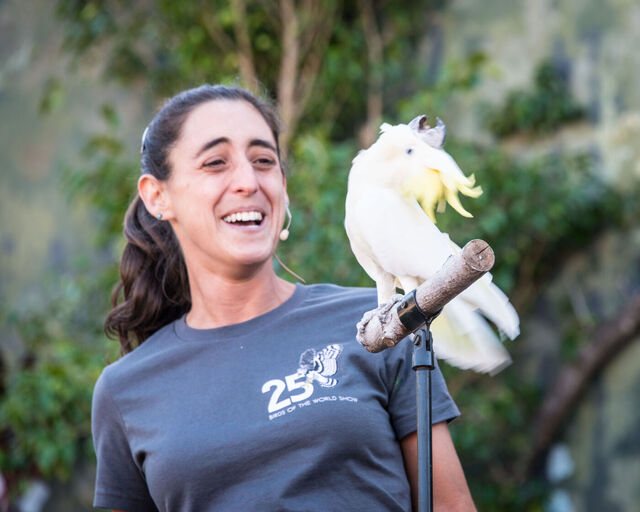
Discover science-backed, force-free ways to keep your feathered friend comfortable and safe during hot weather, even without air conditioning.
Keeping Cool: Essential Strategies for a Healthy Parrot (No AC Needed!)
Summer is here, and for many of us, that means glorious sunshine and warmer temperatures. While we might enjoy a dip in the pool or cranking up the AC, our feathered friends rely on us to ensure they stay comfortable and safe. Parrots, with their dense feathering and unique respiratory systems, can be particularly susceptible to overheating. But what if you don't have air conditioning, or want to reduce your energy consumption? Don't worry, there are plenty of effective, force-free, and science-backed strategies you can employ to keep your beloved bird cool and happy. At Beak School, our focus is always on your bird's well-being, and these tips are designed with that in mind.
Creating a Cooler Environment: More Than Just Shade
Strategic Placement and Airflow
- Location, Location, Location: During hot spells, the best place for your bird's cage might not be its usual spot. Identify the coolest room in your house. Often, this is a north-facing room or one that receives less direct afternoon sun. Avoid placing the cage near windows that face west or south, as these will heat up significantly.
- Harnessing Natural Airflow: Open windows on opposite sides of your home to create a cross-breeze. Even a slight airflow can make a big difference in dissipating heat. Just be absolutely sure that screens are secure and there's no way for your bird to escape or for strong gusts to disturb them.
- Fan Power (with Caution): A strategically placed fan can be incredibly helpful, but never point it directly at your bird. The goal is to circulate air, not create a wind tunnel. Aim the fan so it bounces air off a wall or ceiling, creating indirect airflow. Ensure power cords are out of reach and secured.
- Block Out the Sun: During the hottest parts of the day, close blinds, curtains, or even use reflective window films to prevent direct sunlight from streaming into the room. This can significantly reduce the internal temperature.
Cooling Accessories and Materials
- Ceramic Tiles and Stone Perches: Offer your bird a clean ceramic tile (unglazed is fine, or a smooth glazed one usually found in bathrooms) or a natural stone perch in their cage. These materials stay cooler than wood or rope and provide a pleasant spot for your bird to stand and cool their feet. You can even pop a tile in the fridge for a few minutes before offering it for an extra chill.
- Chilled Water Bottles (External Use Only!): Fill plastic bottles with water and freeze them. Wrap the frozen bottle in a towel and place it near (but not in) the cage. The evaporating ice will help cool the air around it. Again, ensure your bird cannot chew on the bottle or towel.
- Misting (Conditionally Force-Free): A fine mist can help some birds cool down, but it's crucial this is an entirely positive experience. If your bird enjoys it, offer a gentle mist with lukewarm water from a clean, dedicated spray bottle. Spray above them, letting the mist drift down, rather than directly at them. NEVER force a mist on a bird that shows any signs of discomfort or aversion. If they don't like it, don't do it. Focus on other cooling methods instead. Many birds prefer a shallow, cool bird bath.
Hydration and Nutrition: Crucial for Heat Management
Fresh, Cool Water is Key
- Multiple Water Sources: Always provide at least two sources of fresh, clean water in the cage, just in case one gets fouled or your bird empties one.
- Change Water Frequently: During hot weather, water evaporates faster and can warm up quickly. Change your bird's water multiple times a day to ensure it's always cool and fresh. Consider adding an ice cube to the water bowl, but ensure it's a size that won't pose a choking hazard and that your bird is comfortable with it.
- Hydrating Foods: Offer water-rich fruits and vegetables regularly. Examples include cucumber, watermelon (in moderation due to sugar content), cantaloupe, grapes, and celery. Wash all produce thoroughly. These not only provide hydration but also essential nutrients.
Avoid Over-Exertion and Stress
- Limit Playtime During Peak Heat: Schedule active playtime and training sessions for the cooler parts of the day, such as early morning or late evening.
- Minimize Stress: Stress can elevate a bird's body temperature. Keep their environment calm and predictable during hot weather.
Recognizing and Responding to Heat Stress
Understanding the signs of overheating is critical. Early detection can be life-saving. If you observe any of these symptoms, act immediately to cool your bird and contact your avian veterinarian.
Signs of Heat Stress:
- Rapid, Shallow Panting: Birds don't sweat like humans. They regulate body temperature by panting, which increases airflow over moist surfaces in their respiratory system. Excessive or prolonged panting is a red flag.
- Wings Held Out from Body: Spreading their wings away from their body helps dissipate heat by exposing unfeathered areas.
- Lethargy or Weakness: A bird that is unusually quiet, listless, or appears weak may be suffering from heat stress.
- Eyes Partially Closed: A sign of general discomfort or illness.
- Open-Beak Breathing: More pronounced than normal panting, indicating they are struggling to get enough oxygen and cool down.
- Fluffed Feathers (can be paradoxical): While fluffing can be a sign of cold, in severe heat stress, it can also be an attempt to trap cooler air against the skin or dislodge heat. Context is key.
- Seizures or Collapse: These are severe, life-threatening signs requiring immediate veterinary intervention.
What to Do If You Suspect Heat Stress:
- Move to a Cooler Spot: Immediately move your bird (gently!) to the coolest, shadiest part of your home.
- Offer Cool Water: Encourage your bird to drink cool (not icy cold) water.
- Gentle Cooling: You can apply a cool (not frozen) damp cloth to their feet or carefully mist the air around them with lukewarm water if they appear receptive. Do NOT douse them in cold water, as this can cause shock.
- Contact Your Avian Vet: Even after initial cooling, it is crucial to contact your avian veterinarian immediately. Heat stress can have serious internal consequences, and your vet can guide you on further steps and check for underlying issues.
Final Thoughts
Your parrot's comfort and safety are paramount, especially during the warmer months. By implementing these force-free strategies, you can proactively create a cool and hydrating environment, even without air conditioning. Always observe your bird closely for any signs of discomfort, and don't hesitate to contact your avian veterinarian if you have any concerns. A little planning goes a long way in ensuring a happy and healthy summer for your beloved feathered companion!