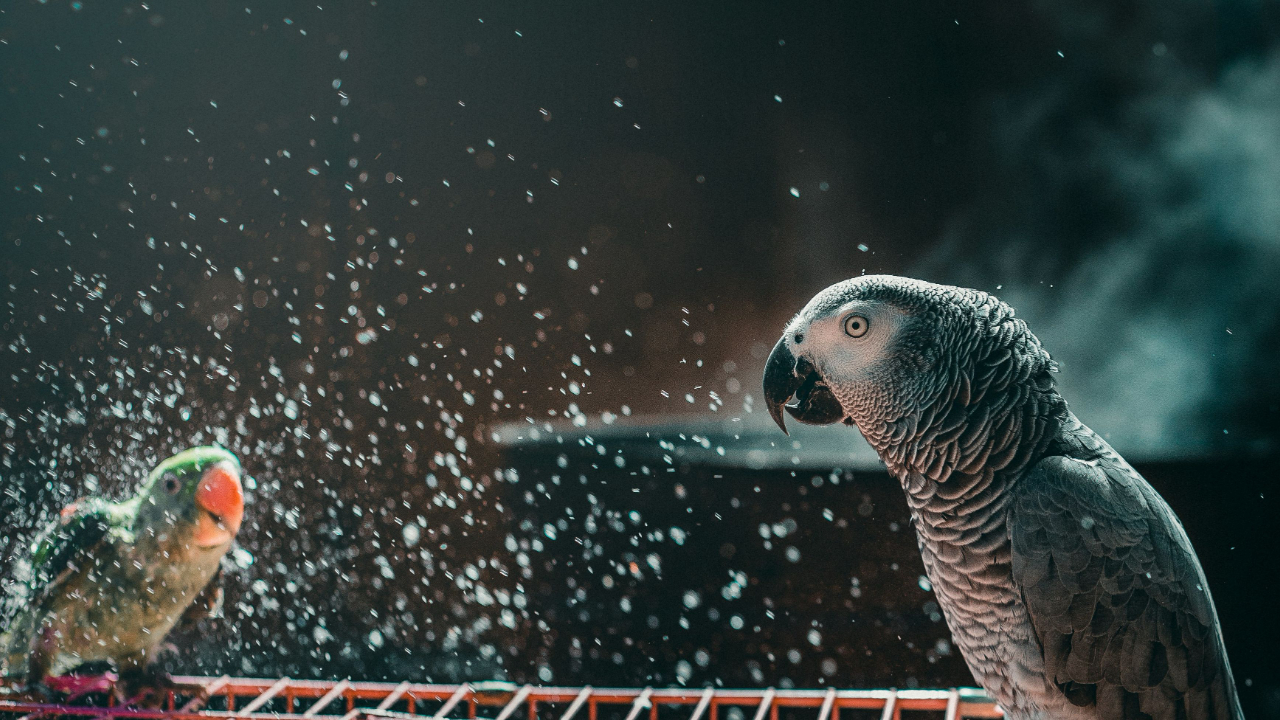
Learn how to keep your parrot cool and safe during hot weather without relying on air conditioning, using effective, force-free methods.
Summer is a wonderful time for many, but for our feathered friends, rising temperatures can quickly become a serious health risk. Parrots, with their dense feathering and limited ability to sweat, are particularly susceptible to overheating. While air conditioning is a common solution, it's not always available or ideal. The good news is there are plenty of effective, force-free strategies you can employ to keep your beloved bird cool and comfortable even when the mercury climbs. Let's explore how to create a refreshing environment for your parrot, ensuring their safety and well-being without any aversive methods.
Understanding Heat Stress in Parrots
Before we dive into solutions, it’s important to understand why heat is so dangerous for our birds and what signs to look for. Parrots regulate their body temperature primarily through their respiratory system. When they get too hot, you might notice them:
- Panting: Similar to a dog, they will open their beak and breathe rapidly. This is a primary way they try to cool down.
- Holding wings away from their body: This increases air circulation around their underwings, helping to dissipate heat.
- Ruffling feathers: While sometimes a sign of comfort, in hot conditions it can be an attempt to let air circulate to their skin.
- Lethargy or weakness: A bird that is unusually quiet, less active, or seems weak could be experiencing heat stress.
- Drooping head or eyes closed: These are more serious signs and require immediate attention.
- Poor appetite or unwillingness to eat: Heat can suppress their normal feeding behavior.
If you notice any of these signs, especially panting accompanied by other symptoms, it’s crucial to act quickly. Heatstroke can be fatal for parrots. Always err on the side of caution and consult your avian veterinarian if you are concerned about your bird's health.
Strategic Placement and Airflow
One of the easiest and most effective ways to manage your bird's comfort during hot weather is by thoughtfully considering their environment.
- Move the Cage Away from Direct Sunlight: This might seem obvious, but even a few hours of direct sun through a window can turn a cage into an oven. Track the sun's path throughout the day and reposition the cage to a shadier part of the room. If direct sun is unavoidable for a portion of the day, use thick curtains or blinds to block it.
- Utilize Fans Safely: Fans don't cool the air, but they do create a breeze that helps dissipate heat from your bird's body, similar to how they help us.
- Ceiling Fans: On a low setting, these can create gentle air circulation. Ensure they are clean and well-maintained.
- Standing or Box Fans: Position them a safe distance from the cage, aimed to circulate air in the room, not directly at your bird. A constant direct draft can be irritating or lead to respiratory issues. The goal is gentle, indirect airflow.
- Safety First: Make absolutely sure that your bird cannot access the fan blades, even if they were to somehow escape their cage. Always supervised.
- Open Windows (Screened!): If the outdoor temperature is cooler than indoors, opening windows on opposite sides of the house can create a refreshing cross-breeze. Always ensure screens are securely in place to prevent escapes and keep out insects or other animals. Never open unscreened windows when your bird is out of their cage.
- Close Off Unused Rooms: If some rooms get particularly hot, keep their doors closed to prevent that heat from radiating into other, cooler parts of your home.
Hydration and Misting Marvels
Just like us, birds need plenty of fluids when it's hot. And a little extra moisture can go a long way.
- Plenty of Fresh, Cool Water: Always provide multiple water dishes, especially during hot weather. Change the water frequently throughout the day, ensuring it's fresh and cool. You can even add an ice cube or two to the water dish (ensure it's too large for your bird to swallow) to keep it cooler for longer. Some birds also enjoy water bottles, but always offer a dish as well as they often prefer to "shower" in a dish.
- Offer Water-Rich Foods: Fresh fruits and vegetables like watermelon (without seeds), cucumber, bell peppers, apples, and berries are not only nutritious but also help hydrate your bird. Offer chilled slices as a refreshing treat!
- Misting for Comfort (Positive Reinforcement Only!): Misting can be a wonderful way to help your bird cool down, but it's crucial to do it in a force-free way.
- Observe Your Bird's Reaction: Some birds adore misting and will lean into it, fluffing their feathers. Others might be apprehensive. Never force it.
- Use a Clean Mister: Fill a brand-new, clean spray bottle (never used for chemicals!) with lukewarm water. Cold water can be a shock.
- Gentle Approach: Offer a gentle mist from a distance, watching your bird's body language. If they lean away or show signs of stress, stop immediately.
- Reward Positive Responses: If your bird enjoys it, you can pair misting with verbal praise ("Good shower, birdie!") or a small, healthy treat afterward to build a positive association.
- Frequency: You can mist a bird that enjoys it several times a day during hot spells. Ensure they have time to dry off in a warm spot away from drafts.
- Shallow Baths: Some parrots prefer a shallow dish of water to splash in. Offer a clean, bird-safe dish with an inch or two of lukewarm water. Again, observe their comfort level; never force them into the water.
Cooling Treats and Activities
Beyond water and misting, you can engage your bird's natural curiosity and foraging instincts with cooling activities.
- Chilled Foraging Toys: Freeze some bird-safe fruits or veggies in a foraging toy. As they work to get the treat, they'll also enjoy the cool temperature.
- Ice Cubes as Toys: Offer a large, clean ice cube in a dish (ensure it's too big to swallow). Many birds enjoy investigating and playing with the cold, melting ice.
- Cool Perches: Some owners use ceramic tiles (cleaned, unglazed) that have been briefly chilled in the refrigerator as a "cool spot" for their birds to stand on. Always ensure the tile isn't too cold and supervise.
- Adjust Playtime: Schedule out-of-cage time for the cooler parts of the day – early mornings or evenings. During the hottest hours, encourage quieter, less strenuous activities in their cage.
Final Thoughts
Keeping your parrot cool without air conditioning requires diligence and observation. By combining strategic cage placement, safe airflow, consistent hydration, and gentle cooling methods, you can ensure your feathered companion navigates the summer heat safely and comfortably. Always put your bird's comfort and health first, and if you ever suspect heatstroke, contact your avian veterinarian immediately. Your bird trusts you to keep them safe, and these force-free methods are a testament to that trust.