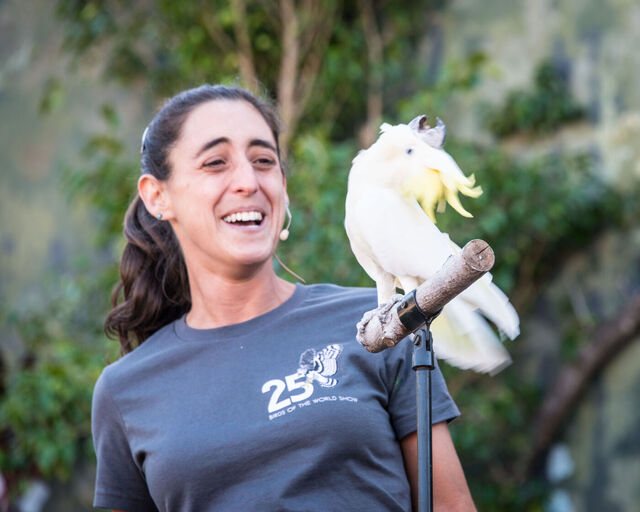
Learn how to manage nesting behaviors in your pet parrot through understanding hormonal triggers and implementing positive, force-free training methods to ensure their well-being.
Understanding Nesting Behavior
As parrot owners, many of us have admired the intelligence and vibrant personalities of our feathered companions. But sometimes, those behaviors can become a bit…intense. One common and often perplexing set of behaviors is nesting. While it might seem cute at first to see your parrot meticulously rearranging a corner of their cage, nesting is a deeply ingrained instinct, driven by hormones, and can lead to a host of complex issues if not managed appropriately. Understanding the “why” behind these behaviors is the first step towards a happier, healthier parrot.
Put simply, nesting behavior is your parrot's natural instinct to prepare for reproduction. In the wild, this would involve finding a suitable cavity, lining it, and eventually laying eggs. For our pet parrots, however, the triggers for this behavior often manifest in our homes, even without a mate present. While females are typically the ones to lay eggs, both male and female parrots can exhibit nesting behaviors. Males might guard a perceived nest site, regurgitate food for an unseen partner, or become more territorial and aggressive.
The primary driver behind nesting is hormonal activity, often linked to seasonal changes (longer daylight hours), perceived abundant food sources, and access to dark, enclosed spaces. When parrots feel that conditions are ideal for raising young, their bodies gear up for reproduction. This hormonal surge can lead to a range of behavioral changes, from increased vocalizations and territoriality to resource guarding and aggression. For female parrots, chronic egg-laying can also be a serious health risk, leading to calcium depletion, egg binding, and other reproductive complications.
Common Triggers and Environmental Factors
Identifying what sets off nesting behavior is crucial for managing it. Many triggers are subtle and might be things we unknowingly provide for our parrots in our homes:
- Longer Daylight Hours: In the wild, increasing daylight signals the start of breeding season. Even artificial household lighting can trick your parrot’s system into thinking it’s time to reproduce.
- Abundant or High-Fat Diet: A constant, unlimited supply of rich, high-fat foods (like many seed mixes, nuts, or human scraps) signals to a parrot that resources are plentiful, an ideal condition for raising young.
- Dark, Enclosed Spaces: These mimic natural nest cavities. This can include:
- Bird huts, "happy huts," sleep tents, or snuggle sacks.
- Cardboard boxes, paper bags, or even pet carriers left in the cage.
- Under furniture, behind curtains, in cupboards, or inside clothing.
- Nest boxes (if you have them, they might be triggering nesting even if you don't intend to breed).
- Shredding Materials: Providing shreddable toys can be great for enrichment, but certain materials (like paper towels, cotton, or inappropriate fabric) can be repurposed as nesting material.
- Physical Stimulation: Petting your parrot in certain areas, particularly on their back, under their wings, or around their tail, can be interpretated as courtship behavior.
- Perceived Mate: This could be you, a mirror, or even a toy that your parrot "courts." Regurgitation, wing flapping, and excessive displays can be signs of this.
- Lack of Sleep: Not getting enough uninterrupted sleep (10-12 hours in a dark, quiet space) can throw off a parrot's natural rhythms and contribute to hormonal imbalance.
Force-Free Management Strategies
Managing nesting behavior is about proactive prevention and gentle redirection, never punishment. Punishment can erode trust, increase fear, and make the behavior worse. Our goal is to make the environment less conducive to nesting and to redirect their natural instincts into appropriate, enriching activities.
Environmental Modifications:
- Control Light Cycles: Ensure your parrot gets 10-12 hours of uninterrupted sleep in a dark, quiet space. Use a cage cover if needed. Avoid leaving lights on late into the evening in their space.
- Remove Nesting Opportunities: This is a big one.
- Eliminate all "happy huts," tents, or snuggle sacks. These are some of the biggest culprits.
- Block access to dark, enclosed spaces in your home (under furniture, behind books, etc.).
- Do not provide cardboard boxes, paper bags, or anything that can be turned into a nest.
- Provide appropriate shreddable toys that challenge their minds without mimicking nest-building materials. Think natural woods, palm shredders, or sturdy paper rolls, always supervising to ensure safe shredding.
- Diet Adjustment: Consult with an avian vet or avian nutritionist about a pellet-based diet supplemented with fresh vegetables and fruits. Reduce high-fat seeds, nuts, and human foods. Offer food in foraging toys to make them "work" for their meals, mimicking wild foraging and making food seem less endlessly abundant.
Behavioral Adjustments:
- Change Physical Interaction: Only pet your parrot on their head and neck. Avoid petting wings, back, or tail, as this can be misinterpreted as courtship behavior.
- Increase Enrichment and Foraging: A bored parrot is often a hormonal parrot. Provide a rich environment with a variety of appropriate toys, foraging opportunities, and chances for interaction and learning. This redirects their energy away from nesting.
- Discourage Resource Guarding: If your parrot is guarding a perceived nest site or object, gently remove them and the item without confrontation. Redirect them to a different activity or a neutral area. Avoid using force, as this can escalate aggression.
- Manage Perceived Mates: If your parrot is "courting" a toy or a mirror, remove the item. If they are showing excessive courtship behavior towards you, gently step away or change the interaction.
- Offer Positive Reinforcement for Alternative Behaviors: When your parrot engages in appropriate play, foraging, or calm interaction, reward them with praise, treats, or favorite toys. This reinforces desired behaviors over nesting ones.
When to Seek Professional Help:
- If nesting behavior is severe, disruptive, or your parrot is exhibiting signs of illness (lethargy, changes in droppings, constant egg-laying), consult an avian veterinarian immediately. They can rule out underlying medical issues and discuss hormonal implants (like Lupron) if necessary, which can be a valuable tool in managing chronic egg-laying under veterinary guidance.
- If you are struggling to manage behaviors despite implementing these strategies, a certified professional parrot trainer who specializes in force-free methods can provide personalized guidance and support.
Final Thoughts
Nesting behavior is natural, but in a pet setting, it often requires our sensitive and informed intervention. By understanding the hormonal drives and environmental triggers, and by implementing consistent, force-free management strategies, we can help our parrots navigate these powerful instincts safely and minimize the associated health and behavioral risks. Remember, patience, observation, and a commitment to positive reinforcement are your greatest tools in fostering a balanced and happy life for your feathered friend.