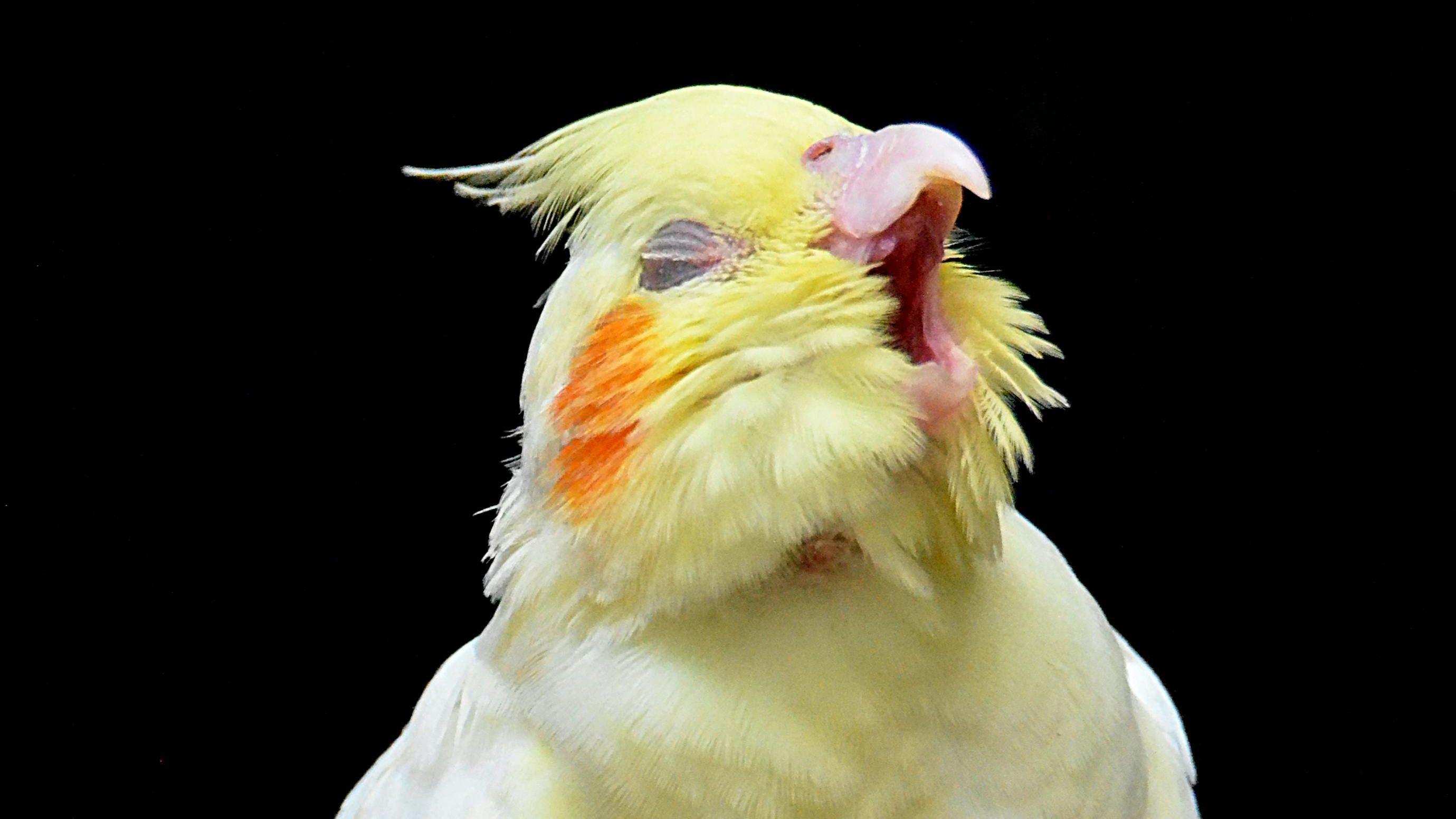
Learn to understand and manage your parrot's natural vocalizations using force-free methods, encouraging healthy communication and a harmonious home.
Living With a Noisy Parrot: What Every Owner Should Know
Parrots are amazing creatures – brilliant, affectionate, and full of personality. But let's be honest: they can also be LOUD. If you've ever found yourself wondering if your feathered friend's vocalizations are normal, or how to get a moment of peace, you're not alone. At Beak School, we believe that understanding your parrot's natural behaviors is the first step to a harmonious relationship. In this article, we'll dive into why parrots are naturally noisy, how to differentiate between normal vocalizations and problem screaming, and most importantly, practical, force-free tips to encourage healthy vocal behavior.
Why Parrots Are Noisy: Understanding Their Nature
Before we can address "noisy" behavior, it's crucial to understand that vocalization is a fundamental part of being a parrot. They aren't trying to annoy you; they're just being parrots! Here are some key reasons why our feathered companions are so vocal:
Communication is Key
- Flock Calls: In the wild, parrots use loud calls to communicate with their flock members over long distances. They check in, announce their location, and warn of danger. When your parrot screams, especially at dawn, dusk, or when you leave the room, they're often performing a natural flock call, trying to locate their "flock" (you!).
- Alerting to Danger: A sudden, sharp scream might be your parrot's way of alerting you to something they perceive as a threat – a new object, a shadow, or even a strange sound outside.
- Seeking Attention: This is a big one for companion parrots. If screaming consistently gets your attention (even negative attention like scolding), your parrot learns that screaming is an effective way to get you to engage with them.
- Expressing Needs: Sometimes, screams are a direct request. Your parrot might be hungry, thirsty, bored, wants to be let out of their cage, or needs a toy rotation.
Emotional Expressions and Environment
- Excitement and Joy: Parrots can scream when they're happy! A new toy, a favorite treat, or seeing you after a brief absence can all elicit joyful squawks.
- Frustration or Boredom: A bird that isn't sufficiently stimulated – lacking toys, enrichment, or social interaction – can become frustrated, and this often manifests as screaming. They might also scream out of boredom if they have nothing else to do.
- Fear or Stress: Loud, repetitive screaming can also be a sign of underlying stress, fear, or anxiety. This could be due to changes in their environment, a perceived threat, or an uncomfortable situation.
- Hormonal Behavior: During breeding season, parrots can become more vocal and exhibit stronger territorial behaviors, which can include increased screaming.
Differentiating Normal Vocalizations from Problem Screaming
Not all loud vocalizations are "problem screaming." Understanding the difference is vital for effective management:
- Normal Vocalizations: These are typically predictable and often have a discernible pattern. This includes morning and evening flock calls, happy squawks during play, or an alarm call when something genuinely startles them. They might be loud, but they are part of being a parrot.
- Problem Screaming: This is persistent, repetitive, and often seems to lack a clear purpose other than to elicit a reaction. It usually occurs outside of normal peak times and is disruptive to the household. This is the behavior we want to address with positive reinforcement.
The key is to observe your bird's body language and the context of the scream. Is it an excited hop-and-squawk, or a tense, demanding shriek?
Practical, Force-Free Strategies for Managing Noise
Our goal at Beak School is never to silence a parrot, but to encourage healthy communication and reduce "problem" screaming through understanding and positive reinforcement. Here's how:
1. Rule Out Underlying Issues
- Vet Check: First and foremost, if your parrot suddenly starts screaming excessively, or changes their vocal patterns dramatically, a check-up with an avian vet is essential to rule out any pain, illness, or medical conditions.
- Environmental Scan: Is their cage clean? Do they have fresh food and water? Are they getting enough sleep (10-12 hours in a quiet, dark environment)? A comfortable parrot is a happier, quieter parrot.
2. Meet Their Needs Proactively
- Enrichment, Enrichment, Enrichment: Boredom is a huge scream trigger. Provide a variety of toys (chew, shred, foraging, puzzle), rotate them frequently, and offer opportunities for mental stimulation. Consider foraging opportunities outside the cage.
- Social Interaction: Parrots are highly social. Schedule dedicated, positive interaction time with your parrot every day. This could be training sessions, petting, talking, or just having them on a playstand nearby while you work.
- Diet: Ensure your parrot is on a high-quality, balanced diet as recommended by an avian vet. Nutritional deficiencies can impact behavior.
- Exercise: Provide ample out-of-cage time in a safe, bird-proofed environment. Physical activity helps mental well-being.
3. Reinforce Desired Behavior (and Ignore the Undesired)
- Positive Attention for Quiet Time: This is perhaps the most powerful tool. When your parrot is quiet or making soft, pleasant vocalizations, *immediately* reward them with attention, a preferred treat, or a favorite toy. You are building an association: "quiet bird gets good things."
- Ignore Problem Screaming: This is incredibly difficult, but crucial. If your parrot screams for attention, any attention – even telling them to be quiet – is a reward. The moment they start problem screaming, walk away, turn your back, or leave the room. Return the instant they are quiet. This teaches them that screaming makes you disappear, while quietness makes you reappear. Consistency is key here.
- Manage Your Reaction: Avoid scolding, spraying with water, or using other aversive methods. These do not teach your parrot what *to do*, they only teach fear, resentment, and can escalate screaming as the bird becomes more distressed.
4. Teach "Contact Calls" and Alternative Behaviors
- Train a Call: Instead of screaming, teach your parrot a specific, pleasant sound (like a whistle or a word) that they can use to check in with you. When you leave the room, make the call, and when they respond with it, immediately return and reward them. This gives them a positive, acceptable way to perform their natural flock call.
- Reinforce Soft Conversational Tones: When your parrot is making soft chatter or talking, engage with them. Respond, talk back, and make it a rewarding interaction.
5. Manage the Environment and Schedule
- Predictable Routine: Parrots thrive on routine. A consistent schedule for feeding, play, and sleep can reduce anxiety and associated screaming.
- Cage Location: Place their cage in a central but safe location where they can observe family activities, but not be overwhelmed. If they scream when you leave a room, consider their line of sight. Can they still see or hear you from a distance?
- Manage Early Morning/Late Evening Screams: Parrots naturally do "flock calls" at these times. Consider covering their cage or adjusting their sleep schedule slightly if these calls are too disruptive. You can also preemptively engage them with a treat or quiet interaction during these times.
Final Thoughts
Living with a noisy parrot doesn't have to mean constant frustration. By understanding their natural instincts, proactively meeting their needs, and consistently applying positive reinforcement techniques, you can guide your parrot toward healthy vocal behaviors. Remember, patience and consistency are your greatest allies. Embrace your bird's unique voice, and work towards a relationship where communication is a cherished, not dreaded, part of your life together.