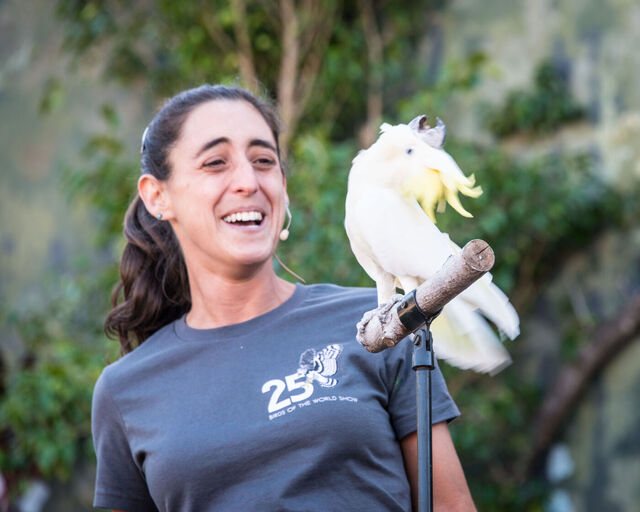
Beyond the initial adoption fee, discover the full financial picture of parrot ownership, from setup and food to unexpected vet bills and ongoing enrichment, ensuring you're truly prepared for your feathered friend.
Bringing a parrot into your life can be an incredibly rewarding experience, filled with joyful chirps, intelligent interactions, and endless personality. But before you welcome a new feathered family member, it’s crucial to understand the true financial commitment involved. Owning a parrot is a long-term investment, and being prepared for the costs upfront will ensure you can provide the best possible care throughout their often decades-long lifespan. Let's break down what you can realistically expect to spend.
Initial Setup Costs: Getting Ready for Your New Flock Member
The first wave of expenses comes even before your parrot arrives. These are the one-time purchases that set the foundation for a healthy and stimulating environment.
The Bird Itself: Adoption or Purchase
- Rescue/Adoption Fee: Many wonderful parrots are available through reputable rescues. Adoption fees can range anywhere from $50 to $500+, depending on the species, age, and any specific veterinary care the bird may have already received. This fee often covers crucial initial vet checks, microchipping, and sometimes even a starter cage. Rescues are an amazing option for giving a deserving bird a second chance!
- Breeder/Pet Store Purchase: If you choose to go through a breeder or pet store, prices vary wildly by species. A smaller bird like a cockatiel might be $150-$400, while a larger macaw or African Grey can cost anywhere from $1,000 to $4,000+. Remember to research breeders thoroughly to ensure they prioritize the birds' welfare and have a reputation for healthy, well-socialized birds.
The Habitat: Cage and Stand
This is arguably the most important initial purchase and not an area to skimp on. A spacious, safe cage is paramount for your parrot's physical and mental well-being.
- Cage: Expect to spend $200 to $1,500+. The size, material (stainless steel is best but pricey; powder-coated wrought iron is a good alternative), and features (playtop, adequate bar spacing) all influence the cost. Always buy the largest cage you can reasonably afford and fit in your home. Your parrot will spend significant time here, so it needs to be a comfortable, stimulating space.
- Cage Stand/Furniture: If your cage doesn't come with one, a sturdy stand is essential. Some cages require specific stands. You might also want a separate playstand for out-of-cage time. Budget $50-$300 for these.
Essential Accessories
These items make the cage functional and comfortable.
- Food & Water Bowls: Stainless steel is recommended for hygiene and durability. $20-$50 for a set of good quality bowls.
- Perches: Provide a variety of natural branch perches of different diameters to exercise your parrot's feet. Avoid dowel perches as the only option. $30-$100+ depending on size and number.
- Toys: Parrots are intelligent and need constant mental stimulation. Stock up on a good variety of foraging toys, shreddable toys, and solid toys. $50-$200 to start, as you'll want to rotate them.
- Cage Liner: Disposable cage liners, paper, or newspaper are needed for easy cleaning. Initial supply: $10-$30.
- Travel Carrier: Essential for vet visits and emergencies. $30-$150 depending on size.
Initial Setup Total Estimate: $700 - $6,000+ (excluding the parrot itself, ranging from small cockatiel setup to large macaw setup).
Ongoing Expenses: The Monthly & Annual Budget
Once your parrot is settled, the costs shift to regular maintenance and enrichment.
Food: Fueling Your Feathered Friend
A high-quality, balanced diet is fundamental for your parrot's health and can prevent many common ailments. This is another area not to cut corners.
- Pellets: A good quality, species-appropriate pelleted diet should make up the majority of your parrot's intake. Prices vary by brand and size, but expect $15-$60 per month, depending on bird size.
- Fresh Foods: A daily variety of fresh vegetables, fruits, and some healthy grains/legumes is critical. This might add $20-$80 per month to your grocery bill, depending on your parrot's size and your existing produce consumption.
- Occasional Treats/Nuts: Small amounts for training and enrichment. $5-$20 per month.
Monthly Food Estimate: $40 - $160+
Toys & Enrichment: Keeping Minds Active
Parrots are incredibly intelligent and need constant mental stimulation to prevent boredom and behavioral issues. Toys get destroyed, that's their job! You'll need to replenish them regularly.
- New Toys: Depending on the size and destructiveness of your parrot, budget $20-$100+ per month. Rotate toys, introduce new ones, and make sure your parrot always has fresh items to chew, shred, and forage.
- Foraging Supplies: Items like shreddable paper, safe wood, and puzzle parts to create DIY foraging toys. $10-$30 per month.
- Training Treats: Small, high-value treats are essential for positive reinforcement training. $5-$20 per month.
Monthly Enrichment Estimate: $35 - $150+
Veterinary Care: The Non-Negotiable
Just like any other pet, parrots need regular veterinary check-ups by an avian vet. Prevention is always better (and often cheaper) than treating illness.
- Annual Check-up: A yearly wellness exam, often including bloodwork or fecal tests, is highly recommended. Expect $100-$300 per year, possibly more if specialized tests are needed.
- Emergency/Illness Funds: This is a crucial one that many new owners overlook. Parrots can hide illness well, and when symptoms appear, immediate vet care is often required. Keep an emergency fund specifically for your parrot. A single emergency visit, diagnostics, and medication can easily run $300-$1,500+. Consider pet insurance (though coverage for exotic pets can be limited or costly).
Annual Routine Vet Estimate: $100 - $300+ (plus emergency fund savings)
Miscellaneous & Utilities
- Cleaning Supplies: Bird-safe cleaners, sponges, etc. $5-$15 per month.
- Air Purifier/Humidifier: If your home needs it for air quality or humidity for your bird. Initial purchase: $100-$300, then filter replacements: $5-$20 per month.
- Specialized Lighting: Full-spectrum avian lighting can be beneficial, especially if your bird doesn't get much natural sunlight. Initial fixture: $50-$150, bulbs: $20-$50 every 6-12 months.
- Bird Sitter/Boarding: If you travel, finding a qualified bird sitter or boarding facility is necessary. Rates vary significantly, from $15-$50 per day.
Monthly Miscellaneous Estimate: $10 - $70+ (plus potential travel costs)
The Long-Term Picture: Decades of Commitment
One of the most significant factors in parrot ownership costs is their longevity. Many parrot species live for 20-30 years, and larger species like macaws and African Greys can live 50-80+ years. This means you are making a commitment for a substantial part of your life, if not beyond.
- Lifetime Cost Calculation: Take your annual ongoing expenses and multiply them by the potential lifespan of your chosen species. For a medium-sized parrot living 30 years, with average annual expenses of $1,000-$2,000, you're looking at a lifetime cost of $30,000 - $60,000+. For a larger, longer-lived parrot, this figure can easily exceed $100,000.
- Estate Planning: For very long-lived species, consider who would care for your parrot if something were to happen to you. This might involve a trust or a designated caretaker.
Final Thoughts
While these figures might seem daunting, understanding them upfront is an act of responsible pet ownership. Providing a parrot with a rich, healthy, and enriching life requires not just love and time, but also a solid financial foundation. Being prepared for these costs ensures you can give your feathered friend the very best, minimizing stress for both of you and maximizing the joy they bring to your home. Remember, a happy, well-cared-for parrot is a delightful companion for many years to come.