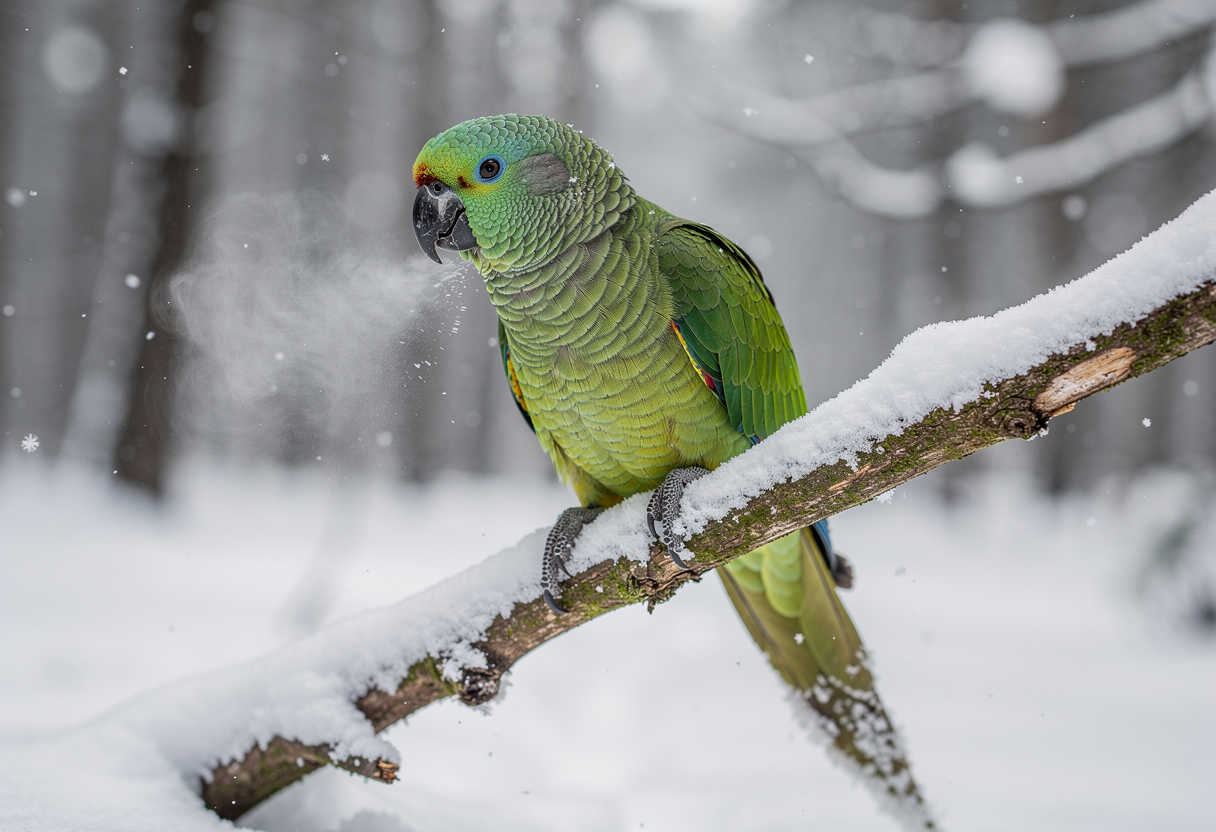
Keep your feathered friend happy and healthy through the winter months with essential tips on heating, humidity, and overall well-being.
Winter Bird Care: Heating, Humidity, and Health
As the days grow shorter and the air turns crisp, we all start thinking about cozying up indoors. But for our beloved feathered companions, winter isn't just about a change of scenery – it brings unique challenges that require our careful attention. At Beak School, we believe in proactive, force-free care that ensures your parrot thrives year-round. This guide will walk you through the essentials of winter parrot care, focusing on heating, humidity, and maintaining optimal health, ensuring your bird stays safe, warm, and happy until spring.
Creating a Warm Haven: Heating Considerations
Parrots, originating from tropical and subtropical climates, are not designed for cold temperatures. Even a slight chill can be detrimental to their health, leading to stress, weakened immune systems, and respiratory issues. Maintaining a consistent, comfortable temperature is paramount.
Optimal Temperature Range
- Most parrots thrive in temperatures between 65-75°F (18-24°C).
- Avoid sudden temperature fluctuations, which can be more stressful than a consistently cool (but not cold) environment.
- Never place your parrot's cage directly next to a window, even if it's sunny, as drafts are a major concern.
Safe Heating Options
When selecting a heating method, safety is key. Open flames, gas heaters, or anything that produces fumes are absolutely off-limits due to the extreme danger of carbon monoxide and other toxic off-gases to birds. Here are some bird-safe alternatives:
- Space Heaters: Look for ceramic-based, oil-filled radiator, or mica panel heaters. Ensure they have automatic shut-off features and are kept a safe distance from the cage. Avoid heaters with exposed heating elements or fans that can stir up dust.
- Brooder Lamps/Ceramic Heat Emitters (CHE): These provide directional heat without emitting light, which is ideal for maintaining natural sleep cycles. Always use a ceramic heat emitter designed for reptile or bird use, connect it to a thermostat to prevent overheating, and ensure it's securely placed outside the cage to prevent accidental burns.
- Snugglesafe Heat Pads: These microwavable disks provide warmth for several hours. While not ideal for continuous whole-cage heating, they can be a great option for a temporary warm spot or for a bird showing signs of being chilled (under veterinary guidance). Always cover them with a towel or fleece to prevent direct contact.
- Room Thermometer: A simple, accurate room thermometer (or even a thermometer placed near the cage) is invaluable for monitoring the ambient temperature.
Draft Prevention
Drafts are silent perils. Even in a warm room, a constant draft can quickly chill a parrot. Conduct a "draft audit" around your parrot's enclosure:
- Check windows and doors for leaks. Apply weather stripping if necessary.
- Reposition the cage away from frequently opened doors or leaky windows.
- Consider a draft stopper for doors near the cage.
- A cage cover (made of breathable, bird-safe fabric) can offer an extra layer of protection during colder nights, but ensure it doesn't restrict airflow.
Humidity: The Unsung Hero of Respiratory Health
Dry winter air, exacerbated by indoor heating, can be incredibly harsh on a parrot's sensitive respiratory system and dry out their skin and feathers. Low humidity can lead to flaky skin, itchy feathers, dull plumage, and, more seriously, susceptibility to respiratory infections.
Maintaining Optimal Humidity
Most parrots thrive in humidity levels between 50-70%. Aim for the higher end of this range during winter.
- Humidifiers: A cool-mist humidifier is your best friend during winter. Place it near the cage (but not so close that the mist directly hits your bird) and use distilled water to prevent mineral buildup and dispersal into the air. Clean it regularly to prevent mold and bacteria growth.
- Daily Misting: For birds that enjoy it, a daily misting with plain, lukewarm water can provide immediate relief and help with feather conditioning. Observe your bird's reaction – if they lean into it and ruffle their feathers, they're enjoying it! If not, don't force it.
- Shallow Water Baths: Offer a shallow dish of lukewarm water for bathing. Many parrots love to splash around, which not only helps with feather health but also naturally increases local humidity around the cage.
- Shower Time: If your parrot is comfortable showering with you (safely perched away from direct spray, enjoying the steam), this can be an excellent way to boost humidity and provide enrichment.
- Indoor Plants: Non-toxic houseplants (e.g., Boston ferns, spider plants) can help slightly increase humidity through transpiration, but they aren't a substitute for a humidifier in very dry environments.
Holistic Winter Health: Beyond Heat and Humidity
While heating and humidity are crucial, a holistic approach to winter care ensures your parrot remains in peak condition.
Nutrition and Hydration
- Fresh Water: Always provide fresh, clean water daily. Consider offering lukewarm water during very cold spells.
- Balanced Diet: Ensure a high-quality fresh diet rich in vitamins and minerals. During winter, some birds might appreciate slightly warmer fresh foods (e.g., warm, cooked grains or vegetables).
- Vitamin D: With less natural sunlight, consider supplementing with avian-specific Vitamin D (under veterinary guidance) or providing full-spectrum avian lighting.
Lighting and Sleep
- Full-Spectrum Lighting: Invest in a full-spectrum avian lamp (UVB and UVA) for 10-12 hours a day. This mimics natural sunlight, crucial for Vitamin D synthesis, mood regulation, and overall well-being. Position it correctly to avoid eye strain or overheating.
- Consistent Sleep Schedule: Maintain a consistent sleep schedule (10-12 hours of uninterrupted darkness) even if daylight hours are shorter. This supports their immune system and reduces stress.
Enrichment and Exercise
- Indoor Activity: With less outdoor time, focus on increased indoor enrichment. Rotate toys frequently, offer foraging opportunities, and engage in training sessions (always positive reinforcement!).
- Flight Time: If your bird is flighted and secure, ensure they still get regular opportunities to fly in a safe, bird-proofed environment. Exercise is crucial for physical and mental health.
Monitoring for Illness
Winter can place extra stress on a bird's system, making them more susceptible to illness. Be extra vigilant for any changes in your bird's behavior or appearance:
- Changes in appetite or water intake.
- Fluffed-up appearance (without preening).
- Lethargy or decreased activity.
- Changes in droppings.
- Discharge from nostrils or eyes.
- Difficulty breathing.
Any of these signs warrant an immediate call to an avian veterinarian.
Final Thoughts
Winter doesn't have to be a season of worry for parrot owners. By proactively addressing heating, humidity, and overall health needs with a force-free approach, you can ensure your feathered friend remains vibrant, robust, and full of personality through the coldest months. Your thoughtful care and attention are the best gifts you can give your parrot, no matter the season.