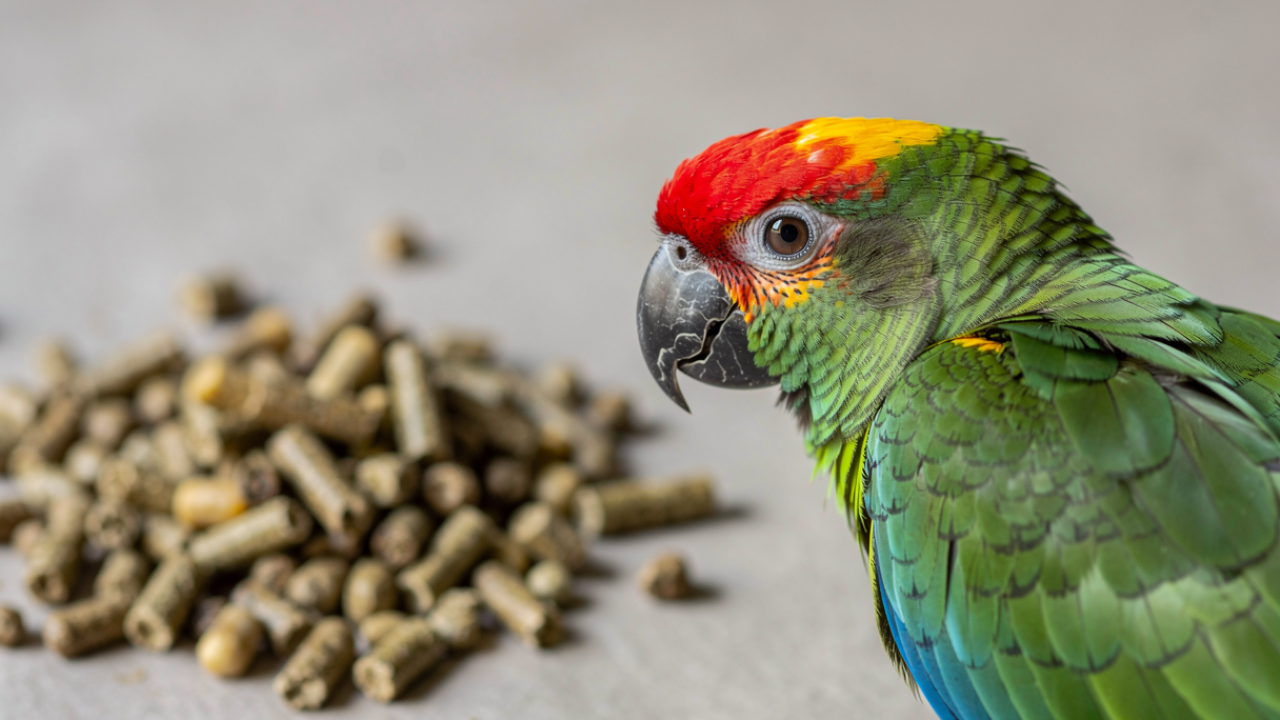
Is your feathered friend turning up their beak at pellets? Don't worry, we've got force-free solutions and expert advice to help them embrace a healthier diet!
Q&A: My Bird Won't Eat Its Pellets Help!
It's a common and often frustrating scenario for many bird guardians: you've done your research, you know pellets are crucial for your bird's health, but your feathered friend looks at them with disdain. Here at Beak School, we understand! Converting a seed-junkie to a pellet-eater, or simply getting a new bird to accept this balanced food, can be a challenge. But don't despair! With patience, understanding, and force-free positive reinforcement, you can help your bird live its healthiest, happiest life. Let's dive into some common questions and solutions.
Understanding the Pellet Predicament
Before we jump into solutions, let's understand why your bird might be resistant to eating pellets.
- Taste and Texture: Birds are creatures of habit and often prefer foods they're familiar with. Seeds are often high in fat and very palatable. Pellets have a different taste and a uniform, often hard, texture that can be a big change.
- Novelty Aversion: Many prey animals, including birds, can be wary of new things in their environment or diet. This is a survival instinct, and while it's natural, it can make dietary changes tricky.
- Learned Behavior: If your bird was on a seed-heavy diet before coming to you, they've learned to associate seeds with food. It takes time and positive experiences to shift this association to pellets.
- Underlying Health Issues: Less commonly, a bird's refusal to eat could be a sign of illness. If your bird is showing other symptoms like lethargy, fluffed feathers, changes in droppings, or significant weight loss, a vet visit is paramount.
The key takeaway here is patience. This isn't about "winning" a battle with your bird; it's about gently guiding them towards a healthier lifestyle.
Force-Free Strategies for Pellet Conversion
Our approach is always rooted in positive reinforcement. We want your bird to associate pellets with good things, not stress or punishment.
1. Gradual Introduction & Positive Association
This is often the most successful method. Don't simply remove all seeds and expect your bird to eat pellets. That can lead to stress, starvation, and a breakdown of trust.
- Start Small: Begin by offering pellets in a separate bowl at the same time as their regular seed mix. Don't hide the seeds! The goal is for them to explore the new food without feeling deprived.
- Mix it In (Very Gradually!): Once they are occasionally sampling the separate pellet bowl, you can start mixing a *tiny* amount of crumbled pellets into their regular seed mix. Increase the pellet-to-seed ratio very slowly over weeks or even months. The slower, the better for some birds.
- Make it Fun: Crush some pellets into a fine powder and sprinkle it over their favorite wet food (like chopped veggies or cooked grains). This can disguise the new taste and texture.
- Positive Reinforcement: Whenever you see your bird even investigate or peck at a pellet (even if they don't eat it), offer immediate verbal praise ("Good bird!") or a tiny, favored treat (something they *love* but only get for this specific behavior).
- "Chop" it Up: Many birds prefer a softer texture. Try moistening pellets with a little water or unsweetened fruit juice (like apple or cranberry) to make them more palatable. You can also mix them into a "chop" recipe.
- Lead by Example: Let your bird see you "eating" pellets (pretend to, of course!). Birds are flock animals and often mimic their guardians.
2. The Power of "Foraging"
Birds spend a significant portion of their day foraging for food in the wild. Make eating pellets an engaging activity!
- Foraging Toys: Place pellets in foraging toys that require some effort to extract. Start with easy toys and gradually increase the difficulty. This turns mealtime into a game.
- Hide and Seek: Hide a few pellets in different places around their cage (in a treat cup, under a cage liner, in a crinkly paper toy). The novelty can pique their interest.
- Scatter Feeding: Scatter a small amount of pellets on a clean, designated surface (like a tray or newspaper) in their cage. This can be more engaging than just eating from a bowl.
3. Addressing Tricky Situations
- The "Only Eats Seeds" Bird: For birds heavily reliant on seeds, dietary conversion can take a very long time. Never remove all seeds completely. Instead, offer seeds for a limited time (e.g., 30 minutes in the morning and 30 minutes in the evening), leaving pellets available all day. This creates opportunities for them to explore pellets when they're truly hungry. Monitor their weight carefully during this process.
- The "Picky Eater" Bird: Some birds are genuinely picky. Try different brands, shapes, and sizes of pellets. Some birds prefer smaller crumbles, others a larger chunk. Some prefer colorful pellets, others natural. Experiment!
- The "New Bird" Dilemma: If you've just adopted a bird, especially one with an unknown history, start with the diet they were on and gradually transition them. Sudden changes can be very stressful. Consult with the rescue or previous owner about their diet.
- Don't Be a Dispenser: Avoid "giving in" if they refuse pellets. If you always offer seeds immediately after they reject pellets, you're inadvertently reinforcing their seed preference. Consistency is key.
Crucial Monitoring: During any dietary change, it is absolutely essential to monitor your bird's droppings and weight daily. A dramatic decrease in droppings or significant weight loss is a serious concern and requires immediate veterinary attention. Investing in a small kitchen scale for daily weigh-ins is an invaluable tool for any bird owner.
When to Call the Vet
While dietary conversion can be a slow process, there are times when a veterinary visit is non-negotiable:
- Sudden complete refusal of all food.
- Lethargy, fluffed appearance, or apathy.
- Significant weight loss (even 10% can be critical for a small bird).
- Changes in droppings (color, consistency, volume) or lack of droppings.
- Any other signs of illness (regurgitation, sneezing, discharge).
Always err on the side of caution when it comes to your bird's health. Birds are masters at hiding illness, so subtle signs can be significant.
Final Thoughts
Converting your bird to a pellet diet takes time, patience, and a deep understanding of your individual bird's personality. Remember, this is a journey, not a race. Celebrate small victories, maintain a positive and encouraging attitude, and always prioritize your bird's health and well-being. With consistency and our force-free methods, you can help your feathered friend embrace a delicious and nutritious pellet-based diet!