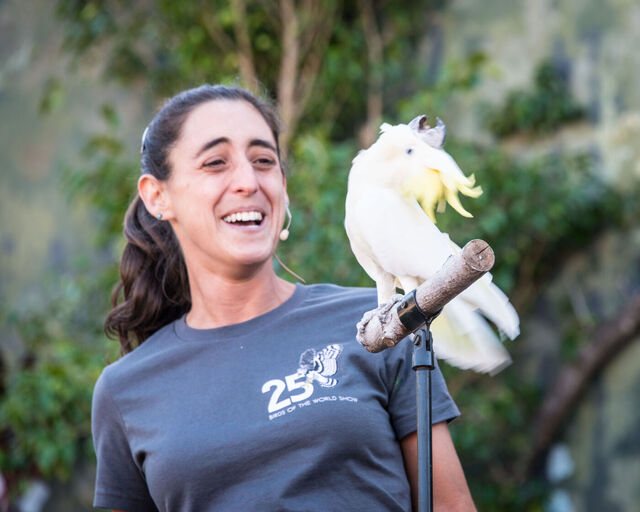
Unsure if eggs are a safe and healthy treat for your feathered friend? Discover the surprising truth about feeding eggs to parrots, including preparation tips and nutritional benefits.
Can Parrots Eat Eggs? The Surprising Answer
As dedicated parrot owners, we're constantly on the lookout for ways to enrich our birds' diets and provide them with the best possible nutrition. So, it’s only natural to wonder about common human foods, and eggs often top the list of intriguing options. Can parrots eat eggs? The short answer might surprise you: yes, absolutely! Eggs can be a fantastic, protein-packed addition to your parrot's diet, offering a wealth of nutrients. But as with any treat, proper preparation and understanding are key. Let's dig into everything you need to know to safely and effectively offer eggs to your beloved feathered companion.
Why Eggs Are a Great Treat for Parrots
Eggs aren't just for humans; they're a nutritional powerhouse that can benefit your parrot in several ways. Think about it: an egg contains all the building blocks for a new life, making it incredibly nutrient-dense.
- Excellent Protein Source: Parrots, especially during molting, breeding, or when recovering from illness, require a good amount of protein for feather growth, muscle development, and overall bodily function. Eggs provide complete protein, meaning they contain all the essential amino acids your parrot needs.
- Vitamins and Minerals Galore: Eggs are rich in a variety of vitamins, including A, D, E, K, and several B vitamins (B12, riboflavin, folate). They also offer essential minerals like iron, zinc, selenium, iodine, and phosphorus, all crucial for various metabolic processes, bone health, and immune function.
- Healthy Fats: While often misunderstood, healthy fats are vital for energy, vitamin absorption, and maintaining healthy skin and vibrant feathers. Eggs contain beneficial fatty acids that contribute to your parrot's overall well-being.
- Easy to Digest: When cooked properly, eggs are generally easy for parrots to digest, making them a gentle option even for birds with sensitive stomachs.
- Enrichment and Novelty: Introducing new, healthy foods like eggs can be a form of enrichment for your parrot, stimulating their minds and encouraging them to explore different textures and tastes. This is part of a positive reinforcement approach to diet – offering variety and making mealtimes exciting.
The Right Way to Prepare Eggs for Your Parrot
While eggs are beneficial, how you prepare them is crucial for your parrot's safety and optimal nutrition. Uncooked eggs carry risks, and certain additions can be harmful.
Which Eggs Are Safe?
Stick to commonly available eggs. Chicken eggs are perfectly safe and the most practical option. Duck, quail, or even turkey eggs would also be fine if you happen to have them, but there's no added benefit that warrants seeking them out specifically.
Preparation is Key: Cooked Only!
Never feed raw egg to your parrot. Raw egg whites contain avidin, an enzyme that can interfere with biotin (a B vitamin) absorption. While cooking denatures avidin, it's also important to remember the risk of salmonella present in raw eggs, which can be dangerous for birds just as it is for humans.
Here are the best ways to prepare eggs for your parrot:
- Hard-boiled: This is arguably the easiest and safest method. Boil an egg until it's completely firm. Once cooled, you can chop it up into small, manageable pieces, or even mash it for smaller birds. You can offer both the white and the yolk.
- Scrambled: Scramble an egg thoroughly without any added butter, oil, salt, or spices. Cook until fully set and a little dry, then chop or crumble.
- Baked/Omelette (plain): You can bake a plain egg or make a simple omelette without any seasonings, cheeses, or vegetables that might be unsafe for parrots. Ensure it's cooked through.
What to Avoid:
- Salt, pepper, or other spices: These are often unhealthy and can irritate your parrot's digestive system.
- Butter, oils, and other fats: Added fats can contribute to obesity and liver issues.
- Cheese or dairy: Most parrots are lactose intolerant and cannot digest dairy products.
- Onions or garlic: These are toxic to parrots.
- Avocado: Highly toxic to most parrot species.
Always ensure the egg has cooled completely to a safe temperature before offering it to your parrot. Hot food can burn their delicate mouths and crop.
Serving Size and Frequency
Eggs, while nutritious, should be treated as a supplement or a treat, not a staple food. Remember, your parrot's primary diet should consist of a high-quality pelleted food, supplemented with a wide variety of fresh vegetables and some fruits.
- Small to Medium Parrots (Parakeets, Cockatiels, Conures, Amazons): A quarter to half of a hard-boiled egg once or twice a week is usually sufficient.
- Large Parrots (Macaws, Cockatoos, African Greys): Half to a whole hard-boiled egg once or twice a week.
Observe your parrot for any signs of upset stomach or changes in droppings after introducing eggs. If you notice anything unusual, reduce the amount or frequency, or consult with your avian veterinarian.
Important Note on Spoilage: Cooked eggs can spoil quickly, especially when left at room temperature. Remove any uneaten egg from your parrot's cage within a couple of hours to prevent bacterial growth and potential illness. This is especially true in warmer climates.
Beyond the Egg: Other Protein Sources for Parrots
While eggs are excellent, it's always good to offer a variety of protein sources to ensure a balanced diet and stimulate your parrot's interest. Other safe and healthy protein options include:
- Cooked Legumes: Thoroughly cooked beans (like lentils, chickpeas, black beans – never raw!) are a great source of plant-based protein.
- Cooked Lean Meats: Small amounts of plain, cooked chicken or turkey (no skin, no seasoning) can be offered occasionally.
- Sprouted Grains and Seeds: Sprouting increases the nutritional value and digestibility of many seeds and grains, offering a boost of protein and other nutrients.
- High-Quality Pellets: A good pelleted diet typically contains well-balanced protein sources designed for parrots.
Introducing new foods, including eggs, should always be a positive experience. Offer a small piece by hand or in their food dish. If they're hesitant, you can try offering it at a different time, or mixed with something they already enjoy. Never force your parrot to eat something they don't want to.
Final Thoughts
So, there you have it! The answer to "Can parrots eat eggs?" is a resounding yes, with the caveat of proper preparation and moderation. Offering plain, cooked eggs can be a wonderful way to boost your parrot's nutrient intake, providing essential protein, vitamins, and minerals. Remember to keep it cooked, plain, and in small quantities as a treat. As always, if you have any specific concerns about your parrot's diet or health, don't hesitate to consult with your trusted avian veterinarian. Happy and healthy eating to your feathered friends!