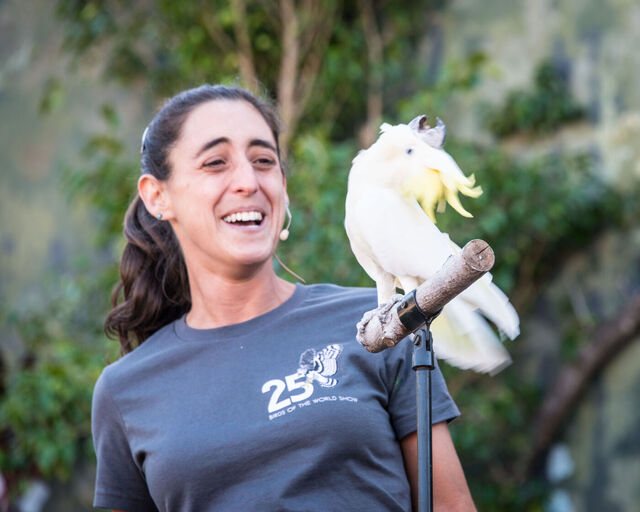
Learn how to cultivate a trusting bond with your parrot through understanding their unique communication, positive reinforcement, and consistent, gentle interactions.
Welcome to Beak School! We often hear from new and experienced bird parents alike, "How do I get my bird to like me?" It’s a wonderful question because it shows you’re prioritizing your bird’s feelings and well-being. Building a strong, trusting relationship with your parrot is one of the most rewarding parts of sharing your life with them, and it’s entirely achievable through patience, understanding, and positive reinforcement. Let's dive into some common questions and effective strategies.
Understanding Your Parrot's Perspective: The Foundation of Friendship
Unlike a dog or a cat, parrots are prey animals. Their natural instinct is to be wary of new things, sudden movements, and anything that might be perceived as a threat. This means building trust often takes time and a very gentle approach. Your parrot isn't being "stubborn" or "mean" if they're cautious; they're behaving exactly as their instincts tell them to. Our job is to show them we are not a threat, but a source of safety and positive experiences.
Q: My bird seems scared of me. What should I do?
A: If your bird is new, or if you've recently acquired a bird with a less-than-ideal past, fear is a completely normal reaction. The key here is to move at your bird’s pace and never force interaction. Start by simply being in the same room as your bird, without trying to interact directly. Sit quietly, read a book, or work on your computer. Present yourself as a calm, predictable part of their environment, not an intimidating giant trying to grab them.
- Respect their space: Don't reach into their cage unless absolutely necessary (for food/water changes). Let them come to you.
- Observe their body language: Are their feathers puffed up and relaxed, or sleeked down and tense? Are they leaning away from you or showing signs of openness (like a relaxed posture or even turning an eye towards you)?
- Talk to them gently: Use a soft, soothing tone. Narrate what you're doing ("I'm just filling your water now, good bird").
- Offer high-value treats: Start by placing a desired treat (like a small piece of cooked sweet potato, banana, or millet spray) near their cage. Gradually work towards holding it out to them. If they take it, congratulations! That's a huge step. If not, just put it down and walk away; they might take it once you're gone.
Q: How can I encourage my bird to interact with me without forcing them?
A: This is where positive reinforcement really shines. The goal is to make every interaction with you a positive one, so your bird associates your presence with good things. Remember, consent is key!
- "Target Training": This is a fantastic way to teach your bird to voluntarily move towards you or an object. Using a target stick (a chopstick works well) and a high-value treat, teach your bird to touch the stick with their beak. As soon as their beak touches the stick, say "yes!" or click a clicker, then immediately give them the treat. This builds confidence and gives them agency.
- Trick Training: Beyond targeting, teaching simple tricks like "wave," "turn around," or "step up" (once they're comfortable with your hand) uses positive reinforcement and builds a fun, engaging relationship. It's mentally stimulating for them too!
- Playtime: Engage in parallel play. Sit near their cage or play stand and play with your own toys. Talk enthusiastically about them. This models positive engagement and invites them to join in without pressure.
- Offer Choices: When offering toys or even food, let your bird choose. Present two options and see which one they lean towards. This empowers them and builds trust.
Building Trust Through Positive Reinforcement
Positive reinforcement means adding something desirable to increase the likelihood of a behavior happening again. For parrots, this usually means delicious treats or sometimes praise and head scratches (if they enjoy them). It’s about creating an environment where they feel safe, respected, and rewarded for choosing to engage with you.
Q: My bird bites me. What am I doing wrong?
A: Biting is almost always a form of communication, not an act of malice. It means your bird is uncomfortable, fearful, overstimulated, or trying to tell you something. Punishing a bite (e.g., yelling, spraying with water, tapping their beak) will only erode trust and make the problem worse, as it teaches them to fear your hand even more.
- Identify the trigger: When does your bird bite? Is it when you try to pick them up? When you put your hand in their cage? When they're tired or overstimulated? Understanding the "when" helps you prevent it.
- Respect their boundaries: If your bird is leaning away, fluffing up, or hissing, these are clear signs they don't want interaction right now. Respect that!
- Reinforce calm behavior: Instead of focusing on the bite, focus on rewarding calm, gentle interactions. If they step up gently, shower them with praise and a treat.
- Re-think "step up": If "step up" results in bites, go back to basics with target training. Teach them to step onto a stick or a perch first, rewarding heavily. Once they're comfortable with that, you can gradually introduce your hand under the stick, then eventually replace the stick with your hand, only if they are opting into the interaction.
Remember, consistency is key. Every interaction is a chance to build or break trust. Be patient, be gentle, and be predictable.
Patience, Consistency, and Celebrating Small Wins
Building a relationship with a parrot isn't a race; it's a marathon. Some birds come around quickly, while others may take months or even years to fully trust. The journey itself is part of the reward.
Q: How long will it take for my bird to like me?
A: There's no single answer to this! It depends on many factors: your bird's individual personality, their past experiences, the species, and how consistently you apply positive, force-free methods. Some birds bond quickly, while others need a very long time. The important thing is to manage your expectations and celebrate every tiny step forward.
- Don't rush it: Forcing interaction will only set you back. Let your bird initiate contact.
- Be consistent: Regular, short, positive interactions are far more effective than infrequent, long, pressured ones.
- Observe and adapt: Pay attention to what your bird enjoys and dislikes. Are they treat motivated? Do they prefer gentle talking or quiet presence? Adapt your approach to their preferences.
- Celebrate small victories: Your bird took a treat from your hand? Amazing! They tolerated you near their cage? Fantastic! Each small step builds the foundation for a deeply rewarding relationship.
Final Thoughts
Getting your parrot to "like" you is really about building a relationship steeped in trust, respect, and positive experiences. By understanding their psychology as a prey animal, using only force-free methods, and being incredibly patient, you can cultivate a bond that is both profound and incredibly joyful. Remember, your bird chooses to be with you, and that choice is the greatest compliment of all.