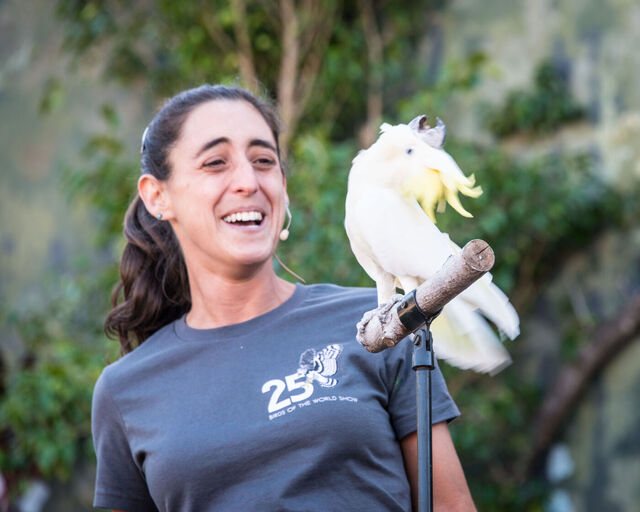
Is your feathered friend turning up their beak at pellets? Don't worry, you're not alone! Learn expert, force-free strategies to encourage your parrot to embrace a healthy, pelleted diet.
It's a common and often frustrating scenario: you've done your research, you know pellets are crucial for your bird's health, and yet, your beloved feathered friend is giving them the cold shoulder. Sound familiar? You’re definitely not alone! Here at Beak School, we get a lot of questions about picky eaters. This Q&A dives into some of the most common reasons birds reject pellets and, more importantly, offers our signature force-free, positive reinforcement solutions to help your parrot embrace a healthier diet.
"My Bird Only Wants Seeds! How Do I Transition Them?"
This is probably the most frequent question we hear! Many parrots come from backgrounds where seeds were the primary, or even only, food source. While seeds can be a part of a balanced diet in moderation, a seed-only diet is like us eating fast food every day – tasty, but ultimately lacking in essential nutrients. The key to transitioning from a seed-heavy diet to pellets is patience, consistency, and positive reinforcement.
- Gradual Reduction: One of the biggest mistakes owners make is removing seeds completely. This can cause stress and even starvation. Instead, gradually reduce the amount of seed offered over several weeks or even months. Start by mixing a small amount of pellets into their regular seed dish. Over time, slowly increase the pellet-to-seed ratio.
- Offer Pellets First Thing: Parrots are often most hungry in the morning. Try offering a bowl of fresh pellets for an hour or two before introducing any seeds. If they eat some pellets, celebrate with verbal praise and maybe a tiny, healthy treat!
- "Chop" It Up: If your bird is hesitant to try the texture of pellets, try grinding some high-quality pellets into a powder and sprinkling it over their favorite moist foods, like cooked whole grains or steamed veggies. As they get used to the taste, you can gradually increase the size of the pellet pieces.
- Pellets as Play: Make pellets fun! Hide a few pellets in a foraging toy. When they find and eat one, they're associating the pellet with a positive, engaging activity.
- Model Behavior: If you have more than one bird and one is already eating pellets, the new bird might learn by observing. Even if you don't, you can pretend to "eat" a pellet yourself with enthusiasm (no, really!). Birds are curious and observant creatures.
- Observe, Don't Stare: Your bird might be more inclined to try new foods if they don't feel watched or pressured. Offer the pellets, then give them some space.
What if my bird still won't touch them?
If your bird is completely boycotting pellets even after gradual introductions, it might be a texture, shape, or flavor preference. There are many brands and types of pellets on the market. Don't be afraid to try different ones! Some birds prefer smaller crumbles, others prefer larger shapes. Some are fruit-flavored, others are natural. Offering a variety can help you pinpoint what your bird likes.
"My Bird Used to Eat Pellets, But Now They've Stopped!"
This can be perplexing! If your bird suddenly stops eating pellets, it's essential to first rule out any underlying health issues. A sudden change in appetite is often a red flag for illness. Schedule a vet check-up with an avian veterinarian immediately.
If your vet gives your bird a clean bill of health, then it's time to play detective and consider other factors:
- Environmental Changes: Has anything in your bird's environment changed recently? A new cage, new furniture, a new pet, or even a change in your routine can cause stress and impact appetite. Try to minimize stressors and provide a sense of security.
- Food Aversion: Did something negative happen while your bird was eating pellets? Perhaps a loud noise surprised them, or they had an upset stomach shortly after. Birds can develop aversions quickly. Go back to basics with very small, positive introductions of the pellets again, perhaps even in a different dish or location.
- Picky Phase: Just like humans, birds can go through fussy phases, especially if they've discovered a new, highly palatable (but perhaps less nutritious) food item. Be consistent with offering pellets as the primary food source and limit access to highly desired treats.
- Brand Change: Did you recently switch pellet brands or even a new bag of the same brand? Sometimes manufacturers make subtle changes, or a particular batch might taste different. Try offering a small amount of the old brand if you still have some, or introduce a new brand slowly.
Remember, never force your bird to eat. Continue to offer pellets, but also ensure they are getting some healthy fresh chop, fruits, and vegetables to prevent malnutrition while you work on re-introducing the pellets.
"My Bird Just Picks Out the Colorful Bits!"
Ah, the classic "selective eater" problem! Many pelleted diets contain different colors, and birds, like us, often have preferences. Unfortunately, the colorful bits are often flavored and not necessarily more nutritious. Here's how to encourage them to eat the whole spectrum:
- Uniform Pellets: Consider switching to a pellet brand that has a uniform color or shape. This eliminates the option for them to pick and choose based on appearance.
- Mix-in Strategy: If your bird is only eating certain colors, try crushing those preferred colors into a powder and mixing it thoroughly with the less-preferred colored pellets. This way, every bite gets some of the "good stuff" mixed in.
- Foraging Fun: Use foraging toys where your bird has to retrieve pellets one by one. This encourages them to eat what they find, rather than sifting through an open dish.
- Limited Access: If your bird is leaving a significant portion of the pellets untouched, reduce the amount you offer for a short period. This can encourage them to eat all the pellets before new ones are provided. Be careful not to restrict too much to prevent hunger. Monitor their consumption closely.
"Are Treats Undermining My Efforts?"
This is a super important question! Treats are wonderful for bonding and training, but if not managed carefully, they can absolutely hinder your pellet-feeding efforts.
- Moderation is Key: Treats should be given in very small quantities and truly be "treats" – not a significant portion of their diet. Think of a single sunflower seed, a tiny piece of fruit, or a small nut.
- Reward Pellet Eating: Use treats strategically! If your bird eats a pellet, even a small one, immediately follow up with verbal praise and a tiny, high-value treat. This creates a positive association with eating pellets.
- Healthy Treats: Focus on healthy treats like small pieces of fresh fruit or vegetables. Avoid giving too many high-fat seeds (like sunflower or safflower) as treats, especially right before or after offering pellets.
- No Free Feeding of Treats: Don't leave a bowl of treats out for your bird to graze on. Treats should be earned or given intentionally.
- Timing: Offer treats *after* your bird has eaten some of their pellets. Don't offer treats when they are just starting to show interest in their pellets, as it can distract them.
Remember, the goal is to make pellets the most boring, reliable food source, while healthy fresh foods and occasional treats are the exciting additions. If your bird is filling up on treats, they'll have no motivation to eat their nutritious pellets.
Final Thoughts
Transitioning a bird to pellets or encouraging a finicky eater requires a strong foundation of patience, consistency, and positive reinforcement. Avoid any methods that involve starving your bird or causing them stress, as this can lead to fear, behavioral issues, and even health problems. Focus on making the experience positive and rewarding, celebrate every tiny step forward, and remember that every bird is an individual. With love and persistence, you can help your feathered friend embrace a diet that supports a long, healthy, and happy life!