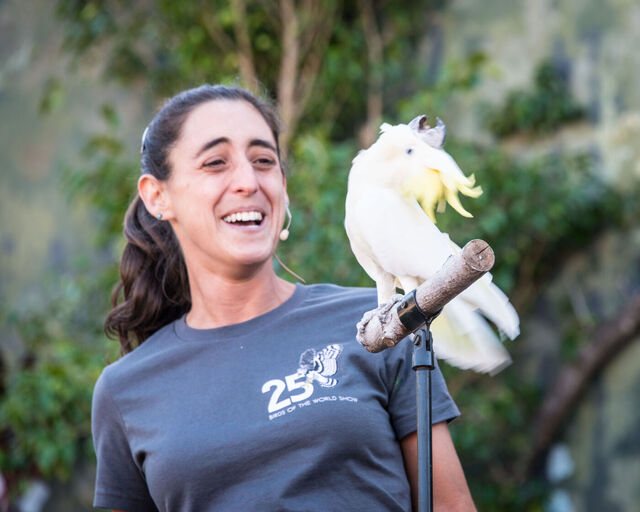
Is your bird turning its beak up at pellets? Learn force-free, effective strategies to transition your feathered friend to a healthier diet.
Facing the Pellet Predicament: You're Not Alone!
One of the most common and often frustrating challenges new (and even experienced!) parrot owners face is getting their beloved birds to eat a pelleted diet. It's a question I hear almost daily: "My bird won't eat its pellets, help!" You're not alone in this struggle, and it's completely understandable to feel concerned when your feathered friend is snubbing what you know is best for them. The good news is that with patience, creativity, and a consistent force-free approach, most birds can successfully transition to a pelleted diet. Let's dive into some proven strategies that actually work for even the pickiest beaks.
Why Pellets & Why the Resistance?
Why Pellets Are So Important
Before we even discuss transitioning, it's crucial to understand why we're putting so much effort into this. Seeds, while often enjoyed by birds, are like junk food for them. They're high in fat, low in many essential vitamins and minerals, and when fed as a primary diet, can lead to a host of health issues, including obesity, liver disease, and vitamin deficiencies. High-quality pelleted diets, on the other hand, are formulated to provide a balanced nutritional intake, ensuring your bird gets all the vitamins, minerals, and macronutrients they need to thrive. Think of seeds as a treat, and pellets as the healthy main course.
Understanding Their Resistance
So, why do they often resist? Imagine someone suddenly replacing all your favorite foods with strange, new, uniformly-shaped, and perhaps tasteless (to you!) kibble. Birds are creatures of habit and also incredibly neophobic (fearful of new things), especially when it comes to food. Their wild instincts tell them that new things could be dangerous. If they've been on a seed-heavy diet for a long time, their palate, and even their gut microbiome, will be accustomed to that. Pellets have a different texture, smell, and taste profile. It's not a personal affront; it's just a natural bird response!
Effective Force-Free Transition Strategies
The key to success here is patience, gradual introduction, and positive association. Never starve your bird into eating pellets – this is not only cruel but can also be dangerous, leading to liver lipidosis (fatty liver disease) in some species, especially smaller birds. Always ensure your bird is eating *something* during the transition.
1. The "Sprinkle & Mix" Method
- How it works: Start by adding a very small amount of new pellets to your bird's existing, preferred food (usually seeds). We're talking 5-10% pellets at first.
- Why it works: This introduces the new food subtly. Your bird might accidentally taste a pellet while foraging for seeds. Over days or weeks, slowly increase the pellet proportion and decrease the seeds.
- Considerations: Ensure your bird is still eating enough. If they start leaving a lot of food, you've increased the pellets too quickly. Slow down.
2. The "Separate Bowl" or "Switch-a-Roo" Method
- How it works: Offer pellets in a separate bowl at specific times of the day when your bird is most active and hungry (e.g., first thing in the morning). After 20-30 minutes, remove the pellet bowl and offer their familiar seed mix for a short period (e.g., 30 minutes to an hour). Repeat this cycle.
- Why it works: This creates a scarcity effect for the preferred food and encourages exploration of the new food during peak hunger times. It also helps you monitor exactly how much, if any, pellet they're consuming.
- Considerations: This method requires careful monitoring. You must ensure your bird is eating enough of the familiar food in between pellet offerings. You can gradually extend the time pellets are offered and reduce the time seeds are available.
3. The "Crumble & Moisten" Method
- How it works: Many birds find the hard texture of pellets off-putting. Try crushing pellets into a powder or small pieces and sprinkling them over moist foods your bird already enjoys, like wet chop (diced veggies), cooked sweet potato, or even a tiny bit of unsweetened applesauce. You can also slightly moisten whole pellets with a drop of warm water or unsweetened fruit juice (diluted) to soften them.
- Why it works: This changes the texture and makes the pellets more palatable or camouflages them within other preferred foods. The added moisture can also enhance the aroma, attracting your bird.
- Considerations: Moist food spoils quickly, so remove uneaten portions within an hour or two to prevent bacterial growth.
4. The "Role Model" & "Social Eating" Method
- How it works: If you have another bird that already eats pellets, let your target bird observe them eating. If you don't, you can pretend to eat the pellets yourself, making yummy sounds and gestures. Birds learn by watching.
- Why it works: Birds are social eaters. Seeing a trusted flock member (you included!) safely consuming a food can greatly reduce their neophobia.
- Considerations: Be enthusiastic and convincing with your "eating" act!
5. The "Treat Transformation" Method
- How it works: Use pellets as high-value training treats. Start with single pellets and reward desired behaviors. You can also mix crushed pellets with a tiny amount of something irresistible like a piece of almond or a favorite fruit.
- Why it works: This builds a positive association with pellets. If pellets mean good things (attention, praise, other treats), your bird will be more inclined to try them.
- Considerations: Keep the portions small and avoid making the overall pellet experience too "sweet" if the goal is to get them to eat plain pellets.
Monitoring & Troubleshooting
Keep a Food Diary
During a transition, it's incredibly helpful to keep a daily log of what you offered, how much your bird ate, and any changes in droppings. This helps you track progress and identify what's working (or not working).
Weigh Your Bird Regularly
Especially for smaller birds, a significant drop in weight can be a red flag. Weighing your bird daily (or every other day) during the transition using a gram scale can give you crucial information about whether they're getting enough to eat.
Consult Your Avian Vet
If your bird is refusing to eat anything, losing weight, or showing any signs of illness, contact your avian veterinarian immediately. They can rule out underlying health issues and offer tailored advice.
Don't Give Up!
This process can take weeks or even months, especially for older birds or those with deeply ingrained eating habits. Consistency is key. Every small bite of a pellet is a victory!
Final Thoughts
Transitioning your bird to a pelleted diet is one of the most impactful things you can do for their long-term health and well-being. Approach it with love, patience, and a positive mindset. Your bird trusts you, and with these force-free strategies, you can guide them towards a healthier, happier life, one pellet at a time. Remember, Beak School is always here to support you on your journey!