
April 30, 2026
Q&A: Should I Get a Second Bird?
Thinking about adding another feathered friend to your flock? This guide covers everything you need to know about compatibility, bonding, and common challenges before getting a second bird.
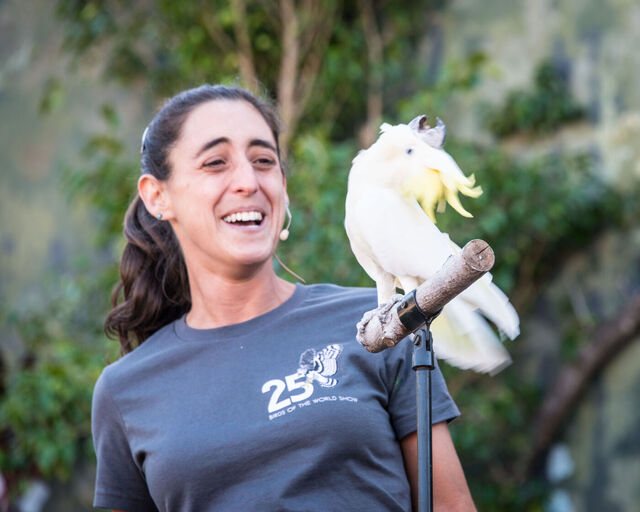
By Cassie Malina , CPBC, CPBT-KA
Force-free parrot behavior trainer and founder of Beak School. About Cassie
Before you even start looking at new birds, let's look inward at your current situation.
Why Do You Want a Second Bird?
- "My current bird is lonely." This is a very common thought! While some birds thrive in pairs or flocks, many happily bond deeply with their human caregivers. A bird showing signs of stress or boredom might need more enrichment, training, or dedicated interaction from *you*, rather than immediate companionship from another bird. Assess your bird's individual needs first. Could more foraging opportunities, new toys, or increased positive reinforcement training sessions make a difference?
- "I want a companion for my bird." This is a noble intention, but one that comes with significant caveats. We'll dive into compatibility later, but understand that two birds do not automatically become best friends. They can ignore each other, tolerate each other, or even actively dislike each other.
- "I just love birds and want another one!" Wonderful! Passion for parrots is fantastic. Just be sure this passion translates into the time, resources, and commitment necessary for *two* individual, intelligent beings, each with their own unique needs and personalities.
Are You Prepared for Double the Commitment?
- Time: Are you ready to dedicate training time, interaction time, and enrichment time to *two* birds? While some activities can be shared, each bird will still need individual attention and bond-building opportunities with you. Two birds can also mean double the mess and double the amount of time spent on cleaning and daily care.
- Space: Two birds generally mean two cages (especially initially, and sometimes permanently). Do you have space for two appropriately sized, separate cages, far enough apart to prevent beak-nipping through bars, yet close enough for gradual introduction if desired?
- Finances: Double the food, double the toys, double the vet check-ups, double the emergency vet funds. Veterinary care for parrots can be expensive; ensure you can comfortably afford care for two.
- Noise: Two birds often mean more noise. Are you and your household prepared for potentially synchronized squawks, chirps, and conversations?
Compatibility: The Million-Dollar Question
This is where many "second bird" plans hit a snag. There's no crystal ball for predicting bird compatibility, but we can make informed choices to increase the chances of a positive outcome.Species and Size Matter... Sometimes
- Same Species: Generally, the safest bet is to get another bird of the same species. While birds of different species can certainly coexist, a budgie and a macaw, for example, have vastly different communication styles, play behaviors, and physical strengths, which can lead to stress or even injury.
- Different Sizes: A significant size difference between birds of *any* species increases the risk of injury. A larger bird, even if playing, can inadvertently harm a smaller bird.
Gender and Personality
- Gender: While not a hard and fast rule, sometimes a male and female pair can be less prone to aggression than two males or two females, particularly with certain species during breeding season. However, this also brings the complex issue of breeding (which we highly recommend against for most pet owners unless you are a dedicated, experienced breeder with appropriate permits and resources).
- Personality: This is arguably the most crucial factor and the hardest to predict. Your current bird's personality – dominant, shy, playful, independent – will largely dictate how they react to a newcomer.
Warning Signs of Incompatibility
Even if you've done your homework, birds might not get along. Be prepared for:
- Aggression (biting, chasing, blocking access to food/water)
- Constant squabbling or stress vocalizations
- Resource guarding (cage, toys, food, even preferred humans)
- One bird consistently bullying the other
- One bird showing signs of fear or withdrawal
If these behaviors persist despite careful, force-free introductions, separate housing may be a permanent necessity.
Introducing a New Bird: The Force-Free Way
This process requires immense patience and adherence to positive reinforcement principles. Rushing introductions almost guarantees failure.Step 1: Thorough Quarantine (Minimum 30-45 Days)
This is non-negotiable. The new bird must be kept in a completely separate room, ideally with separate ventilation. You should:
- Change into fresh clothes after handling your existing bird(s) before interacting with the new bird.
- Wash hands thoroughly between birds.
- Handle the new bird last if both birds are out.
- Schedule a complete vet check-up for the new bird, including disease testing, during this period. Your existing bird should also have had a recent vet check to ensure good health.
Quarantine protects your existing flock from potential illnesses the new bird might be carrying, and gives the new bird time to acclimate to their new environment stress-free.
Step 2: Gradual Sensory Introductions
- Sound: After quarantine, allow them to hear each other from separate rooms.
- Sight (Controlled): Bring cages into the same room, but far apart, allowing visual contact without physical interaction. Observe reactions closely. Use positive reinforcement (favorite treats!) when they are calm in each other's presence.
- Shared Space (Supervised, Separate Cages): Gradually move cages closer over days or weeks, always observing. Never leave them unsupervised with cages too close if there's any sign of aggression through the bars.
Step 3: Supervised Out-of-Cage Interactions
Only proceed when both birds are calm and show no signs of stress or aggression in each other's presence while caged.
- Neutral Territory: Choose a neutral space where neither bird feels possessive (e.g., a play stand in a different room than either cage).
- Positive Reinforcement Flooding: Immediately reward *any* calm, positive, or even neutral interaction with high-value treats and praise. Make it a party!
- Short and Sweet: Keep initial interactions very brief (5-10 minutes) and end on a positive note. Gradually increase duration.
- Constant Supervision: You must be prepared to intervene immediately and safely if any conflict arises. Never leave them alone during these stages.
Separation Might Be Permanent
It's crucial to understand that even with the best intentions and force-free introductions, some birds simply will not bond or may even actively dislike each other. You must be prepared to keep them in separate cages permanently, even in separate rooms if necessary, to ensure the safety and well-being of both birds. Your role is to provide a safe, enriched, and happy life for *each* parrot, whether they become best friends or not.