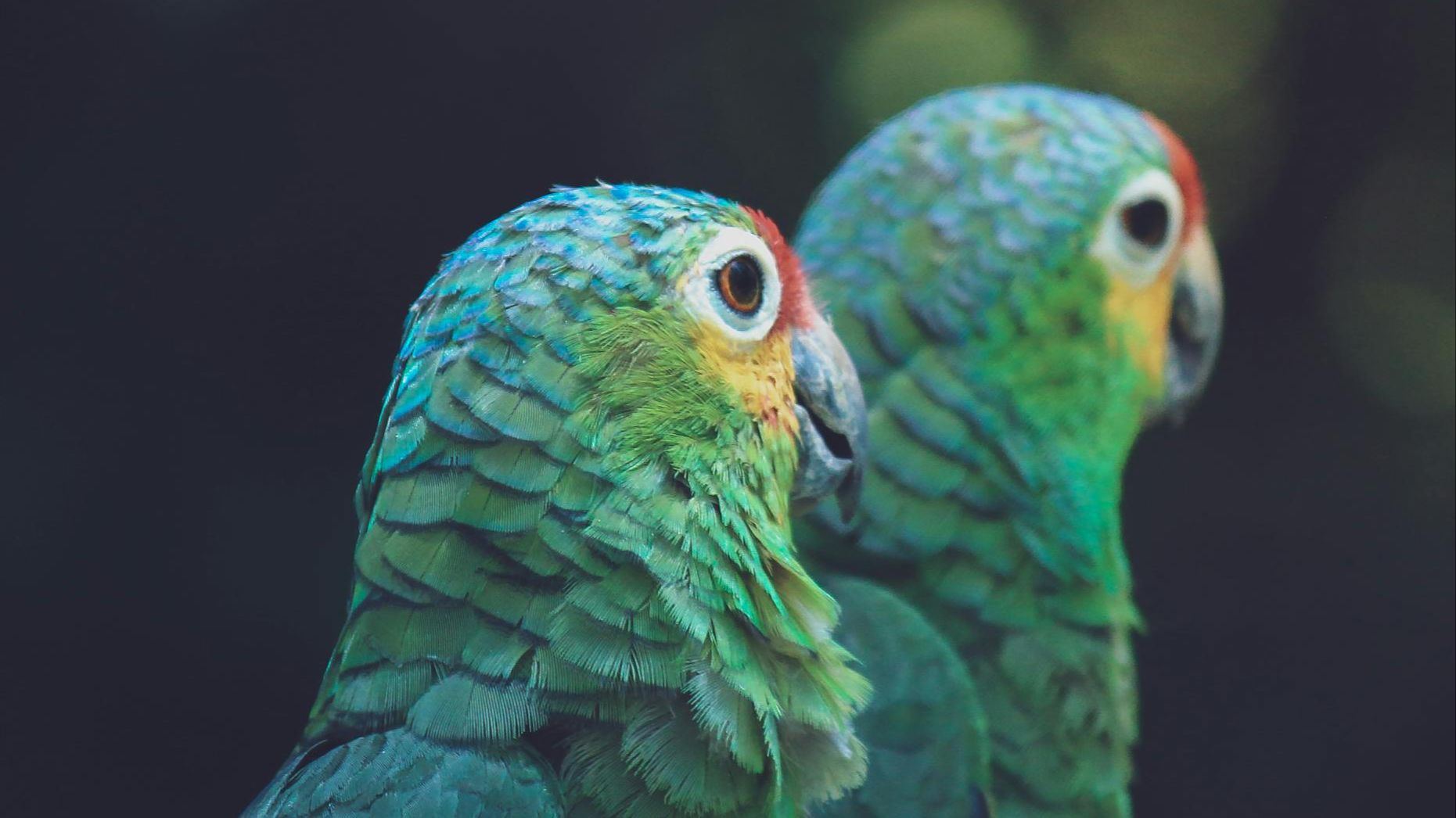
Explore why parrots are inherently social, delving into their natural flock behaviors, remarkable intelligence, and complex communication, crucial for understanding and enriching their lives as companions.
If you share your home with a parrot, you’ve undoubtedly noticed their strong desire for interaction. Unlike a goldfish quietly swimming in its bowl, parrots actively seek out company, often vocalizing their desire for attention or engaging in playful antics to catch your eye. But why are these feathered friends so incredibly social? It’s not just a cute quirk; it’s a fundamental aspect of their biology, deeply rooted in their wild origins and complex minds.
Flock Mentality: Safety in Numbers
In their natural habitats, parrots are rarely alone. They live in dynamic, multi-generational flocks that can range from a handful of birds to many thousands. This flock structure isn't just about company; it's a critical survival strategy. Let's break down why.
Protection Against Predators
- Vigilance: Imagine trying to spot a sneaky predator on your own in a dense jungle canopy. Now imagine hundreds of sets of eyes and ears. More individuals mean more eyes and ears to detect threats, dramatically increasing the chances of early warning.
- Mobbing: When a predator is spotted, the flock often engages in "mobbing" behavior. This is where birds collectively harass and alarm call at the predator, making it difficult for them to hunt effectively and often driving them away.
- Confusion: A large, swirling flock of birds can also confuse a predator, making it harder to single out and target an individual.
Resource Location and Sharing
- Food & Water: Finding food and water in vast, ever-changing landscapes is a monumental task. A flock can spread out to forage, and when one bird discovers a rich food source, others quickly follow. This communal knowledge sharing is incredibly efficient.
- Nesting Sites: Many parrot species nest in tree cavities or cliff crevices. Finding suitable, safe nesting sites can be competitive. Being part of a flock may offer advantages in securing and defending these crucial locations.
Social Learning and Skill Development
- Observational Learning: Younger birds learn vital life skills by observing older, more experienced flock members. This includes what foods are safe to eat, how to open difficult nuts, where to find water, and how to navigate their environment.
- Communication & Social Cues: Flocks are bustling with communication. Parrots learn a vast array of vocalizations, body language, and social cues that are essential for harmonious co-existence within the group.
When we bring a parrot into our homes, we become their flock. They naturally look to us for the same sense of security, companionship, and guidance they would receive from their wild conspecifics. Understanding this innate need for a "flock" helps us provide a more enriching and fulfilling life for our companion birds.
Brains & Bonds: The Role of Intelligence
Parrots are not just beautiful; they’re incredibly intelligent. This high level of cognitive ability plays a significant role in their social nature.
Complex Problem-Solving
Parrots are known for their problem-solving skills. Faced with challenges in the wild, whether it's figuring out how to extract a seed from a tough pod or navigating a complex environment, they rely on learning and memory. This capacity for complex thought extends to their social interactions.
Emotional Depth and Recognition
Research suggests parrots likely experience a range of emotions, from joy and curiosity to fear and grief. They can recognize individuals, understand social hierarchies, and form strong, lasting bonds with specific members of their flock – including their human caregivers. This emotional intelligence makes them capable of deep attachments.
Boredom and Enrichment Needs
An intelligent mind needs stimulation. Without adequate social interaction and environmental enrichment, a parrot can become bored, stressed, and develop undesirable behaviors like feather plucking or excessive screaming. Their social needs are not just about companionship; they’re about mental engagement too.
A Symphony of Sound: Communication is Key
If you've spent any time around parrots, you know they are masters of communication. Their ability to produce a diverse range of vocalizations and intricate body language is central to their social structure.
Beyond Mimicry: Purposeful Communication
- Alarm Calls: Distinct calls warn the flock of danger, often indicating the type or proximity of a predator.
- Contact Calls: These calls help flock members keep track of each other, especially when foraging out of sight. They’re like saying, "I'm here, where are you?"
- Begging Calls: Young birds use these to solicit food from parents.
- Flock-Specific Dialects: Some parrot species develop unique vocalizations or "dialects" within their specific flock, reinforcing group identity.
When your parrot mimics human speech, it’s not just a party trick. It's often an attempt to communicate with you in your "flock's" language. They learn which words or phrases get a desired response, demonstrating their innate drive to connect and be understood.
Body Language: The Unspoken Words
Parrots also communicate extensively through body language. A puffed-up parrot with pinned eyes and a rigid posture is conveying something very different from a sleek, relaxed bird gently preening its feathers. Learning to read your parrot’s body language is crucial for understanding their mood, needs, and intentions, strengthening your bond and preventing potential misunderstandings.
Final Thoughts
Understanding why parrots are so social isn't just academic; it’s fundamental to being a responsible and caring parrot guardian. Embracing their need for interaction, providing consistent, positive social engagement, and offering ample enrichment are not optional extras; they are vital components of their well-being. By honoring their evolutionary blueprint, we can ensure our intelligent, communicative companions thrive alongside us as valued members of our human flock.