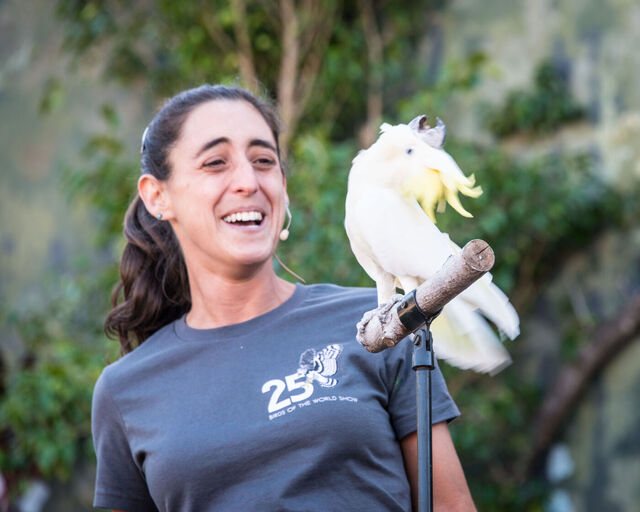
Understand how longer days in spring trigger hormonal shifts in your parrot and learn force-free strategies to gently guide them through this natural, sometimes challenging, period.
Understanding the Spring Surge: Why Hormones Become So Active
As the days lengthen, we humans often feel a surge of energy and a desire to be outdoors. For our beloved parrots, those longer daylight hours trigger something far more profound: a significant hormonal shift. It's not just a feeling; it's a biological imperative. The increased photoperiod – the amount of light in a 24-hour cycle – signals to their bodies that it's breeding season. In the wild, this means an abundance of food, warmer temperatures, and the perfect conditions for raising chicks. In our homes, however, it can lead to a range of behaviors that can be challenging for both bird and owner. Understanding this fundamental biological drive is the first step in managing it with compassion and effectiveness.
The Science of Light and Hormones
The pineal gland in your parrot's brain is incredibly sensitive to light. When daylight hours increase, this gland ramps up the production of certain hormones, primarily Gonadotropin-Releasing Hormone (GnRH). This, in turn, stimulates the testes in males and ovaries in females to produce sex steroids like testosterone and estrogen. These hormones are responsible for triggering all the behaviors we associate with breeding: nest-building, increased vocalization, territoriality, mate-seeking behaviors, and sometimes, aggression. It's important to remember that your parrot isn't being "naughty" or "stubborn"; they are simply responding to an ancient, powerful biological urge.
Recognizing Hormonal Behaviors in Your Parrot
Hormonal behaviors can manifest differently depending on the species and individual bird, but there are some common signs to look out for. Being able to identify these behaviors early can help you intervene gently and effectively, preventing them from escalating.
- Increased Vocalization: Your previously quiet bird might start squawking, screeching, or making other loud noises more frequently and intensely. This can be a way of calling for a mate or defending territory.
- Nest-Building or Nest-Seeking: Even in a domestic environment, the urge to nest is strong. This might look like shredding paper, attempting to burrow into blankets, investigating dark corners, or becoming protective of certain spaces (like under furniture or in their cage).
- Territoriality and Aggression: A sudden increase in biting, lunging, or guarding of their cage, toys, or even you can be a strong indicator. They might snap at hands approaching their perceived "nesting" area or become aggressive towards other household members or pets.
- Regurgitation: Often, your bird might regurgitate food for you. While endearing, this is a mate-feeding behavior. While we appreciate the thought, it reinforces the idea that you are their chosen mate.
- Excessive Mating Behaviors: Rubbing against objects, your hand, or your shoulder in a specific way can be a sign of sexual frustration or an attempt to solicit mating.
- Pinning and Wing Drooping: Some birds might adopt specific postures, such as pinning their eyes (constricting and dilating pupils rapidly) or drooping their wings, often accompanied by soft cooing sounds.
- Feather Destructive Behavior: In some cases, extreme hormonal drives can lead to self-mutilation or feather plucking as an outlet for frustration or stress. This is a serious symptom requiring immediate veterinary consultation.
Force-Free Strategies to Minimize Hormonal Triggers
Our goal isn't to stop nature, but to gently guide it in a way that minimizes stress for our birds and maintains a harmonious household. Here are several force-free strategies you can implement:
1. Manage Photoperiod & Sleep:
- Strict Sleep Schedule: Ensure your parrot gets a minimum of 10-12 hours of uninterrupted sleep in a completely dark, quiet environment. This is crucial for regulating their circadian rhythm and hormonal production. Use a dark cage cover to block out all light.
- Avoid Artificial Light Exposure: Limit exposure to artificial light sources (lamps, TVs, computer screens) after dusk. These can trick your parrot's body into thinking the day is still going, further extending their perceived photoperiod.
2. Diet Adjustments:
- Reduce High-Fat & Sugary Foods: In the wild, high-fat and sugary treats are a sign of abundant food, signaling good breeding conditions. During hormonal periods, temporarily reduce or eliminate fatty nuts, seeds (especially sunflower and safflower), and sugary fruits.
- Emphasize Fresh Veggies & Pellets: Focus on a diet rich in fresh, dark leafy greens, other vegetables, and a high-quality pelleted diet. This provides essential nutrients without the "breeding season" cue.
3. Environmental & Interaction Modifications:
- Remove Nesting Opportunities: Block off dark, enclosed spaces that could be perceived as nest sites (under furniture, inside cabinets, even some toys). If your bird is shredding, provide a designated, approved shreddable toy that doesn't resemble nesting material.
- Beware of "Petting Zones": Avoid petting your parrot on their back or under their wings. These are erogenous zones and can be interpreted as sexual solicitation, further fueling hormonal drives. Stick to head scratches and neck rubs.
- Redirection & Enrichment: When you see hormonal behaviors starting, redirect your bird's energy into positive, non-hormonal activities. Offer new foraging toys, brain games, or teach new tricks. Keep their minds engaged to distract from breeding urges.
- Adjust Interaction Style: While it's important to continue positive interaction, be mindful of how you're interacting. Avoid excessive cuddling or prolonged "snuggle" sessions that might be interpreted as pair-bonding. Engage in flight training, trick training, or shared playtime that focuses on mental stimulation.
- Cage Placement: If your parrot is becoming territorial of their cage, consider whether its placement allows them to feel overly protective, such as in a high-traffic area. Sometimes a slight repositioning can help.
4. Training and Behavior Management:
- Reinforce Desired Behaviors: Continue with positive reinforcement training. Reward calm, non-hormonal behaviors. If your bird is becoming nippy, work on target training or "step up" commands outside of the cage at a neutral time.
- Manage Nipping/Biting: If your bird is becoming more prone to nipping, avoid reacting with aversive methods. A sharp "ouch" and gently putting them down (if safe to do so) or ignoring the behavior for a brief period can communicate that the behavior won't get them attention. Then immediately reward any calm behavior.
- Consult a Professional: If behaviors become extreme, dangerous, or if you're struggling to manage them, consult with a certified avian behavior consultant (like those at Beak School!). They can help you develop a tailored plan.
Final Thoughts
Living with a parrot during their hormonal season requires patience, understanding, and proactive management. Remember that these behaviors are natural, not a sign of a "bad" bird. By implementing force-free strategies that respect your parrot's biology while gently guiding their behavior, you can help them navigate these challenging months more comfortably and maintain a strong, positive bond built on trust and mutual respect.