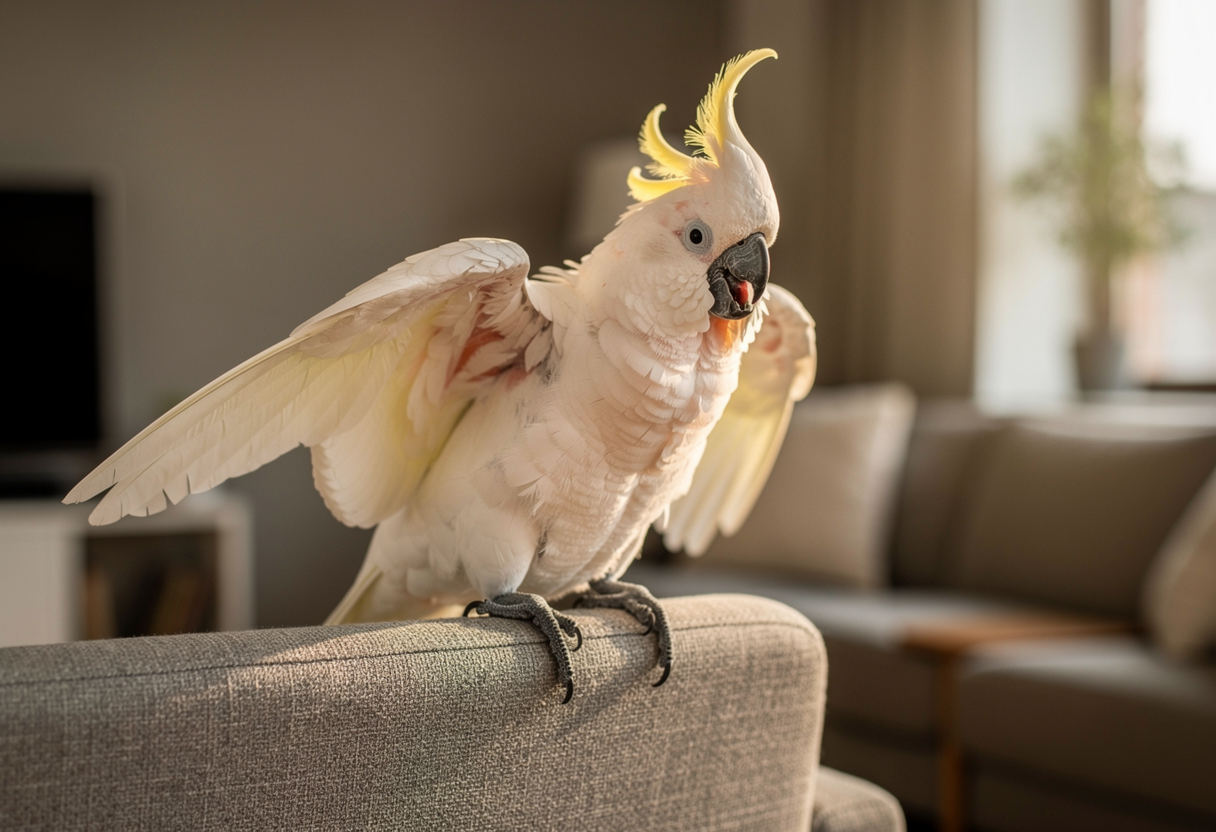
Discover how longer spring days ignite hormonal behaviors in parrots and learn humane, science-backed strategies for managing these seasonal shifts safely and effectively.
As the days grow longer and the sun warms our surroundings, many of us feel a renewed sense of energy and optimism. For our beloved parrots, however, the arrival of spring can bring a different kind of change: a surge in hormonal behaviors. Understanding why this happens and how to manage it safely and effectively is key to a harmonious home for both you and your feathered companion.
The Science Behind Springtime Hormones
The primary trigger for hormonal changes in parrots during spring is the increasing photoperiod – that’s just a fancy word for the amount of daylight in a 24-hour cycle. Parrots, being creatures of instinct and environmental cues, interpret longer days as a signal that breeding season is approaching. This natural process is essential for their survival in the wild, but in a domestic setting, it can lead to some challenging behaviors.
When daylight hours increase, a parrot's pineal gland (a small gland in the brain) receives less melatonin, the hormone that regulates sleep. With less melatonin at play, other hormones, like gonadotropin-releasing hormone (GnRH), are stimulated. GnRH then triggers the release of luteinizing hormone (LH) and follicle-stimulating hormone (FSH) from the pituitary gland. These hormones directly impact the gonads (testes in males, ovaries in females), initiating the development of reproductive organs and the production of sex hormones like testosterone and estrogen.
In essence, your parrot's body is preparing for nesting, mating, and raising chicks. These internal biological shifts don't care that your bird lives in your living room and not a rainforest. The drive is powerful and completely natural.
Recognizing Hormonal Behaviors in Your Parrot
As these hormonal shifts take hold, you might notice a range of new or intensified behaviors in your parrot. It's important to differentiate between typical parrot antics and those driven by hormones to respond appropriately. Some common signs include:
- Increased Vocalization: Your usually chatty parrot might become excessively loud, screaming or making insistent contact calls, trying to locate a mate.
- Nesting Behavior: This can manifest as shredding paper, attempting to hide in dark spaces (under furniture, in cabinets), or becoming protective of certain items they perceive as nesting materials.
- Aggression and Territoriality: A previously friendly bird might become nippy or even bite, especially if you try to remove them from a perceived nest site or touch them in a way they interpret as a threat to their "nest" or "mate." They might be more protective of you (their chosen "mate") against other family members or pets.
- Regurgitation: Your parrot might regurgitate food for you. While endearing, this is a clear sign they see you as a potential mate.
- Excessive Mating Postures: Squatting, wing droop, or tail raises, often when being petted or near a preferred person or object.
- Masturbation: Rubbing their vent on perches, toys, or even your shoulder is a common hormonal behavior.
- Feather Destructive Behavior: Some parrots, when highly hormonal and frustrated, may turn to feather plucking or destructive behaviors.
Remember, these are not signs of a "bad" parrot, but a parrot responding to powerful biological imperatives. Our role is to understand and guide them through this intense period with compassion and management.
Science-Based Strategies for Managing Hormonal Behaviors
Since we can't stop the sun from rising earlier, our approach must focus on adjusting the environmental cues and managing the behaviors effectively and humanely. Force-free methods are crucial here; punishment will only create fear, damage your bond, and worsen the underlying hormonal stress.
1. Adjusting Photoperiod (Light Cycles)
- Consistent Sleep Schedule: This is perhaps the most critical step. Aim for 10-12 hours of uninterrupted, dark sleep every night. Use a dark, breathable cover over the cage or move the cage to a quiet, dark room. Consistency is key, even on weekends.
- Limit Artificial Light: Ensure your parrot isn't exposed to artificial light late into the evening. If their cage is in a living room where you watch TV, consider moving them to a dedicated "sleep room" at dusk.
2. Environmental Enrichment and Redirection
- Increase Foraging Opportunities: Provide plenty of complex foraging toys to keep their minds and beaks busy. When a parrot is focused on "working" for its food, it has less energy for hormonal displays. Rotate toys regularly to maintain novelty.
- Provide Appropriate Chew Toys: Offer shreddable toys (untreated paper, cardboard, natural fibers) as an outlet for nesting behavior. This provides an acceptable alternative to destroying your furniture or plucking feathers.
- Enrichment Schedule: Implement a varied daily routine that includes training sessions, new toys, safe outdoor time (if applicable), and social interaction that isn't focused on petting.
3. Modifying Interaction and Handling
- Avoid Petting in Hormonal Areas: Limit petting to the head and neck. Do not stroke your parrot's back, under its wings, or near its vent, as these areas are highly sensitive and stimulate reproductive behaviors. Even if your bird solicits such petting, redirect to head scritches or a different activity.
- Address Regurgitation Safely: If your parrot regurgitates on you, gently but firmly put them down without making a big fuss or scolding. Clean up the mess and calmly walk away for a few minutes. You want to avoid reinforcing the behavior with attention.
- No Nesting Sites: Remove anything that could be perceived as a nest site. This includes removing happy huts, large dark boxes, or anything they consistently try to burrow into. If they have a preferred dark spot in the home, block access to it if possible.
- Manage Aggression Positively: If your parrot becomes aggressive, avoid directly confronting or punishing them. Instead, use redirection and positive reinforcement. If they bite when you reach for them, teach them to step up onto a stick or offer a favorite treat to distract them. Keep interactions short and positive when you notice aggression.
4. Diet and Nutrition
- Balanced Diet: Ensure your parrot is on a high-quality, balanced diet primarily consisting of pellets, fresh vegetables, and some fruits. Avoid excessive sugary or fatty treats, which can sometimes exacerbate hormonal reactions.
- Limit Warming Foods: Some anecdotal evidence suggests that "warming" foods (e.g., highly fatty nuts, soft cooked foods) might contribute to breeding readiness. While not scientifically proven, focusing on a leaner, veggie-rich diet during this period can be beneficial.
When to Seek Professional Help
If despite your best efforts, your parrot's hormonal behaviors are severe, prolonged, causing self-mutilation (feather plucking), or significantly impacting their quality of life, it's time to consult an avian veterinarian. They can rule out underlying medical conditions and discuss potential interventions, which might include hormone implants (like deslorelin) in extreme cases. Always pursue veterinary advice before considering any medical interventions.
Final Thoughts
Springtime hormones are a natural part of being a parrot. With understanding, patience, and consistent application of force-free management strategies, you can help your feathered friend navigate this intense period, ensuring their well-being and strengthening your bond for years to come. Remember, consistency and proactive prevention are your best tools!