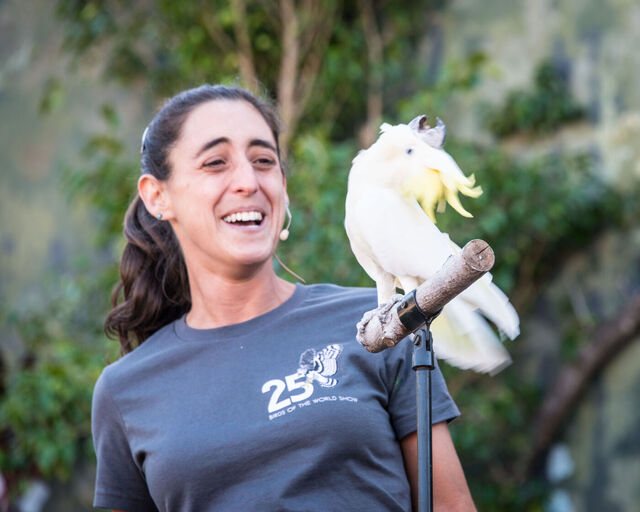
Keep your feathered friend safe this holiday season by learning which common festive foods are toxic to parrots and how to create a bird-safe celebration.
The holidays are a time for joy, togetherness, and, let’s be honest, lots of delicious food! As you gather with loved ones and share festive meals, it’s natural to want to include your beloved feathered companion in the celebrations. However, many common holiday dishes contain ingredients that are highly toxic to birds. Our parrots explore the world with their beaks, and a dropped morsel from your plate can quickly become a dangerous snack. As force-free caregivers, our goal is always to set our birds up for success and prevent negative experiences. This guide will help you identify the most common holiday food hazards and provide practical tips for keeping your parrot safe, happy, and healthy throughout the festive season.
The Naughty List: Foods Your Parrot Should NEVER Eat
When it comes to holiday meals, it's crucial to understand that a small amount of a toxic substance can have dire consequences for a small bird. Here’s a breakdown of the most dangerous foods to keep far away from your parrot.
-
Chocolate: This is a big one. Chocolate contains theobromine and caffeine, both of which are highly toxic to birds, just like they are to dogs. Even a small piece can cause hyperactivity, vomiting, diarrhea, tremors, seizures, and even death. Think about all those holiday chocolates, cookies, and desserts – keep them out of reach!
-
Avocado: The skin, pit, and even the fruit of avocados contain persin, a fungicidal toxin that can cause respiratory distress, weakness, and sudden death in many bird species, especially smaller ones. While some sources suggest certain varieties might be less toxic, it's safest to avoid avocado entirely to prevent any risk.
-
Alcohol: This should go without saying, but any amount of alcohol is extremely dangerous for birds. It can cause severe organ damage and nervous system depression. Ensure all alcoholic beverages are securely covered and out of reach.
-
Caffeine: Found in coffee, tea (black, green, and some herbal), energy drinks, and some sodas, caffeine can cause cardiac arrest, hyperactivity, and heart palpitations in birds. If you're enjoying a festive coffee drink, don't share a sip!
-
Salt: While a tiny pinch of salt might not seem like much, birds are highly sensitive to sodium. Even small amounts can lead to dehydration, excessive thirst, kidney dysfunction, and central nervous system signs. Most processed holiday foods (canned goods, gravy, cured meats, snack mixes) are very high in salt.
-
Onions and Garlic: These members of the allium family contain sulfur compounds that can cause hemolytic anemia in birds, damaging red blood cells. Symptoms might not appear immediately, but prolonged exposure or a large dose can be very harmful. This includes onion powder and garlic powder found in many seasonings.
-
Xylitol: This artificial sweetener, found in sugar-free candies, gums, baked goods, and sometimes even in peanut butter, is extremely toxic to many animals, including birds. It can cause a rapid drop in blood sugar and liver failure. Always check ingredient labels!
-
Fruit Pits and Seeds: The pits of cherries, apricots, peaches, plums, and apples (and apple seeds) contain amygdalin, which breaks down into cyanide when ingested. While the fruit flesh itself is generally safe (after removing pits/seeds), the seeds and pits are a definite no-go.
-
Fatty, Greasy, and Sugary Foods: While not acutely toxic in small amounts, consistent feeding of these items (like butter, fried foods, rich sauces, excessive sugar) can lead to serious long-term health problems such as obesity, liver disease, and nutritional deficiencies. Think moderation and overall diet.
Hidden Dangers: Where Toxins Lurk
Many holiday dishes are complex, making it easy for hazardous ingredients to be unintentionally incorporated. Here are some common holiday culprits:
-
Stuffing: Often contains onions, garlic, and excessive salt and butter.
-
Gravy: Typically very high in salt, fat, and often contains onion or garlic powder.
-
Mashed Potatoes: If made with butter, milk, or excessive salt, they become problematic. Even plain potatoes aren't the best choice due to starch.
-
Cranberry Sauce: While cranberries themselves are fine, store-bought sauces are often loaded with sugar. Look for unsweetened options or make your own with minimal sugar.
-
Pies and Desserts: Besides chocolate, these often contain large amounts of sugar, artificial sweeteners (like xylitol), nuts (which can be high in fat and sometimes processed with salt), and sometimes even nutmeg (which can be toxic in large quantities).
-
Roast Meats (Turkey, Ham): While plain, cooked turkey meat (without skin, fat, or seasoning) can be a rare, tiny treat, most holiday roasts are heavily brined, salted, or seasoned with onion/garlic powder. Ham is almost always too high in sodium.
-
Potpourri, Candles, and Diffusers: Not food, but often present during the holidays. Essential oils, especially when diffused, can be highly irritating or toxic to a bird's delicate respiratory system. Scented candles and potpourri can also release harmful fumes. Opt for unscented, bird-safe alternatives.
Bird-Safe Holiday Treats: Sharing the Joy Safely
Just because many human holiday foods are off-limits doesn't mean your parrot has to feel left out! You can still include them in the festive spirit with safe, healthy, and enriching treats. The key is to prepare items specifically for your bird, or select plain, unprocessed ingredients before they are seasoned for human consumption.
-
Plain Cooked Turkey or Chicken: A tiny, plain, unseasoned piece of cooked breast meat (no skin, no fat) can be offered very sparingly as a high-value treat. Ensure it’s thoroughly cooked and unseasoned.
-
Fresh Fruits: Small pieces of apple (no seeds!), pear, pomegranate arils, a little unsweetened cranberry, or berries are great options.
-
Vegetables: Offer steamed green beans, carrots, sweet potato (cooked, plain), or plain cooked squash. These are packed with nutrients and vibrant colors.
-
Cooked Whole Grains: A small amount of plain, cooked quinoa or brown rice can be a nice addition.
-
Unsalted Nuts (in moderation): If nuts are part of your bird’s regular diet, a single unsalted almond, pecan, or walnut can be a celebratory treat. Ensure they are raw, unsalted, and unshelled if possible for enrichment.
Preventative Measures: Setting Up for Success
Our proactive approach to positive reinforcement training extends to environmental management. It's much easier to prevent a problem than to react to one.
-
Containment: During meal times or when guests are present and food is out, consider carefully securing your parrot in their cage or an appropriate, supervised play stand. This is not a punishment, but a safety measure to prevent accidental ingestion.
-
Designated Bird Meals: Prepare a special holiday plate just for your bird using bird-safe ingredients. Offer it to them in their cage or on their play stand so they can enjoy their own festive meal without being tempted by human food.
-
Educate Guests: Inform everyone celebrating with you about which foods are dangerous for your bird. Kindly ask them not to offer any food to your parrot, no matter how well-intentioned.
-
Supervision: If your bird is out during celebrations, constant, direct supervision is a must. Watch for dropped food, curious beaks investigating plates, or guests unknowingly offering harmful snacks.
-
Clean-Up: After meals, thoroughly clean up any dropped food immediately. Crumbs on the floor or overlooked spills can be just as dangerous.
What to Do in Case of Emergency
Despite our best efforts, accidents can happen. If you suspect your bird has ingested a toxic food, act quickly and calmly.
-
Contact Your Avian Veterinarian IMMEDIATELY: Do not wait for symptoms to appear. Time is critical. Have their number readily available, and know the location of emergency veterinary clinics that treat birds.
-
Identify the Toxin: Try to determine exactly what your bird ate and approximately how much. Take the food packaging with you if you go to the vet.
-
Do NOT Induce Vomiting: Unlike in some other animals, inducing vomiting in birds can be dangerous and is generally not recommended without veterinary guidance.
Final Thoughts
The holidays are a wonderful time to strengthen the bond with your parrot through shared experiences and positive interactions. By understanding the risks, preparing bird-safe alternatives, and implementing proactive safety measures, you can ensure a joyful and healthy holiday season for your entire flock. Your bird relies on you for every aspect of their care, and being an informed, vigilant caregiver is the best gift you can give them.