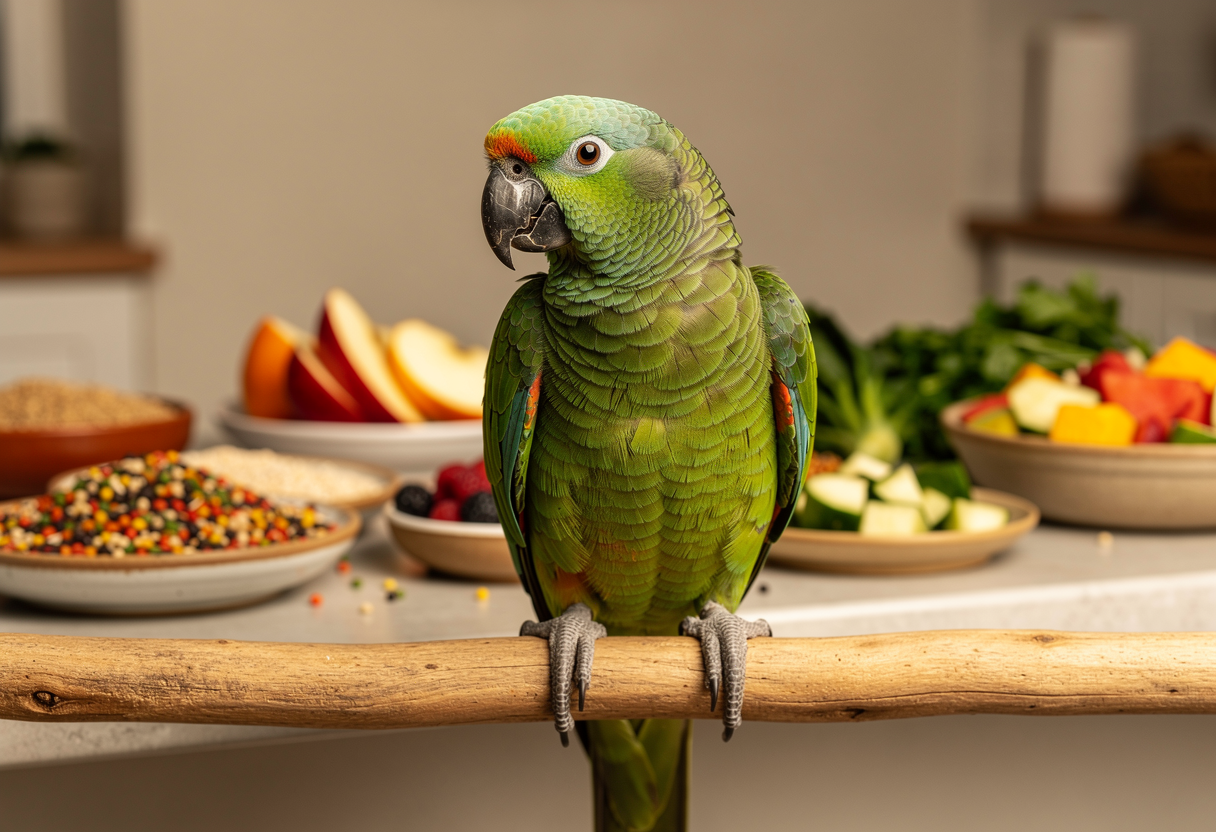
Learn which common holiday foods are toxic to birds and how to ensure your feathered friend stays safe and healthy during festive celebrations, with expert, force-free guidance from Beak School.
Feathered Friends and Festive Feasts: A Holiday Warning
The holidays are a time for joy, togetherness, and, let’s be honest, delicious food! While we humans often indulge in a smorgasbord of seasonal treats, it’s crucial to remember that our beloved feathered companions have very different dietary needs and sensitivities. What’s a delightful dish for us can be a serious, even life-threatening, danger for your parrot. At Beak School, our mission is always to help you provide the safest, most enriching environment for your bird, and that includes navigating the holiday hustle. Let’s dive into the common holiday foods that are toxic to birds and how you can proactively keep your parrot safe and happy during this festive season.
The Naughty List: Foods Your Bird MUST Avoid
This list covers the most common culprits found on holiday tables. It's not exhaustive, so when in doubt, always err on the side of caution. If it's not explicitly bird-safe, assume it's not.
- Chocolate: This is a big one. Chocolate contains theobromine and caffeine, both of which are highly toxic to birds, just as they are to dogs. Even small amounts can cause vomiting, diarrhea, tremors, seizures, and even death. Keep ALL forms of chocolate – dark, milk, white, baking chocolate – far away from your bird.
- Avocado: The pit, skin, and even the flesh of avocados contain persin, a fungicidal toxin. While the toxicity can vary by variety and individual bird, it's safer to avoid it entirely. Persin can cause respiratory distress, weakness, fluid accumulation around the heart, and sudden death in many bird species.
- Alcohol: This should go without saying, but any amount of alcohol, no matter how small, is extremely dangerous for birds. Their small bodies cannot process it, leading to liver damage, central nervous system depression, and even death. Keep all alcoholic beverages securely covered and out of reach.
- Caffeine: Found in coffee, tea, sodas, and energy drinks, caffeine is a stimulant that can cause cardiac arrest, hyperactivity, and seizures in birds. Do not offer any caffeinated beverages.
- Salt (in excess): While tiny amounts of sodium are necessary, the high levels of salt found in many processed human foods – chips, pretzels, salty crackers, cured meats, gravies, and soups – can lead to excessive thirst, dehydration, kidney dysfunction, and sodium ion poisoning in birds. Opt for unsalted, bird-safe alternatives.
- Sugar (in excess & artificial sweeteners): Like salt, small amounts of natural sugars in fruits are fine. However, processed sugars found in candies, cookies, cakes, and sugary drinks are not suitable for birds. They offer no nutritional value and can lead to obesity, diabetes, and dental issues (yes, birds can get beak and gum problems!). Even worse are artificial sweeteners like Xylitol, which can be fatal. Xylitol causes a rapid release of insulin, leading to hypoglycemia, liver failure, and death.
- Onions and Garlic: These members of the allium family (including leeks and chives) contain sulfur compounds that can cause hemolytic anemia in birds, damaging their red blood cells. Even cooked forms in gravies, stuffings, or sauces can be harmful.
- Grapes & Raisins: While the exact toxic compound isn't fully understood, grapes and raisins are known to cause kidney failure in dogs and have been linked to similar issues in birds. It's best to avoid them to be safe.
- Mushrooms: While some mushrooms are edible for humans, many varieties are toxic. Since it's difficult to distinguish, and even edible human mushrooms may be problematic for birds, it’s best to avoid them entirely. They can cause digestive upset or liver failure.
- Fruit Pits and Seeds: The pits of cherries, apricots, peaches, plums, and apples (apple seeds, specifically) contain cyanide compounds. While the flesh of these fruits is usually fine (without pits/seeds), it's crucial to remove all pits and seeds before offering. Pear seeds also contain small amounts of cyanide.
- Fatty, Greasy, and Fried Foods: While not acutely toxic, foods high in unhealthy fats like fried chicken, gravy, fatty meat trimmings, or buttery dishes can lead to pancreatitis, liver disease, and obesity over time. Birds need healthy fats from sources like nuts (in moderation) and seeds.
- Cooked Bones: While raw bones (such as from large poultry, thoroughly cleaned) can provide good calcium and enrichment, cooked bones become brittle and can splinter, posing a serious choking hazard or causing internal damage.
Preventative Measures: Keeping Your Bird Out of Harm’s Way
Knowing what's toxic is only half the battle. Preventing exposure requires proactive planning during the busy holiday season.
Designate a "Bird-Safe Zone": During holiday gatherings, it's often best to put your bird in a quiet, separate room where they won't be exposed to food smells, dropped morsels, or curious (and potentially unaware) guests. This also reduces stress for your bird. If your bird is usually part of the family common area, consider a cage cover to signal "quiet time" during meals.
Educate Your Guests: Nicely inform friends and family that your bird has specific dietary needs and that no human food should be offered without your explicit permission. You can even put up a small, friendly sign near their cage as a gentle reminder.
Clean Up Immediately: Spills and dropped food happen. Be diligent about cleaning up crumbs and spills from floors, tables, and counters immediately, especially before letting your bird out for free-flight time.
Mind Your Hands: After handling holiday foods, especially greasy or sugary ones, always wash your hands thoroughly before interacting with your bird. Residue on your fingers can easily transfer to their beak or feathers.
Secure Your Trash: Birds are naturally curious foragers. Ensure all trash cans containing food scraps are tightly secured or placed in an inaccessible location.
Bird-Safe Holiday Treats: Sharing the Joy Safely
The good news is you can still include your bird in the festivities! Focus on healthy, fresh, and approved bird-safe options.
- Fresh Fruits and Vegetables: Offer small, bite-sized pieces of fresh, washed fruits and vegetables. Think berries (strawberries, blueberries, raspberries), melon, peeled apples (no seeds!), carrots, bell peppers, leafy greens, sweet potatoes (cooked and cooled). These are always winners!
- Plain Cooked Grains: Cooked brown rice, quinoa, and plain oats (unsweetened) can be offered in small amounts.
- Unsalted Nuts: Raw, unsalted almonds, walnuts, pecans, or pistachios (in their shells for enrichment!) are excellent treats in moderation. Macadamia nuts, however, should be avoided.
- Bird-Specific Treats: Stock up on high-quality, parrot-safe seed sticks, foraging toys with dried fruits, or baked bird biscuits from reputable brands.
- Your Bird's Regular Pellets: Don't underestimate the power of their regular, healthy diet! You can make their everyday meal feel special by presenting it in a new foraging toy or scattered in a tray for a fun, naturalistic feeding experience.
Remember, the best gift you can give your parrot this holiday season is a safe, healthy environment and your loving company. Focus on positive reinforcement for good behavior, provide plenty of enrichment, and celebrate responsibly!
Final Thoughts
The holidays are a wonderful time, and with a little foresight and preparation, you can ensure they are just as joyful and safe for your feathered family member as they are for you. By understanding which foods pose a threat and taking simple preventative measures, you can avoid emergency vet visits and focus on creating happy, lasting memories with your beloved parrot. Happy holidays from all of us at Beak School!