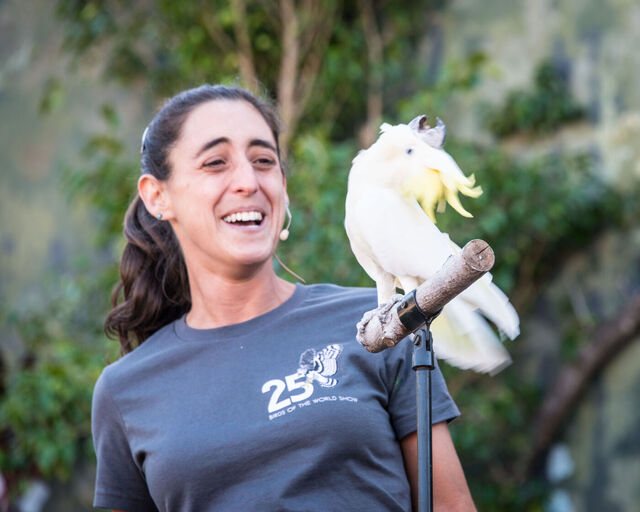
Understand the root causes of attention-seeking screaming in parrots and implement force-free strategies to promote a calmer, more harmonious household.
Understanding Attention-Seeking Screaming
Few sounds are as unmistakable as a parrot's scream. While normal flock calls and expressions of joy are part of living with an avian companion, persistent, attention-seeking screaming can be a significant challenge for many bird owners. It’s important to understand that your parrot isn't being "naughty" or trying to annoy you. Screaming is a form of communication, and if your bird is using it excessively to get your attention, it's often because it has learned that this is an effective way to achieve its goal. Our job as responsible guardians is to understand what drives this behavior and to teach our birds more appropriate ways to communicate their needs.
Why Does My Parrot Scream for Attention?
To effectively address attention-seeking screaming, we first need to pinpoint the underlying reasons. While it might seem obvious that they're "just wanting attention," the specifics of what kind of attention, and from whom, can vary. Here are some common factors:
- Learned Behavior: This is probably the most common culprit. If your parrot screams, and you consistently respond – even if it's just telling them to be quiet, looking at them, or rushing over – you've inadvertently reinforced the screaming. Your bird learns, "Screaming gets a reaction from my human!"
- Lack of Enrichment: A bored parrot is often a noisy parrot. If your bird doesn't have enough engaging toys, foraging opportunities, or mental stimulation, they might scream out of frustration or to alleviate boredom.
- Seeking Interaction/Flock Contact: Parrots are highly social flock animals. They naturally want to be part of the "flock" (your family). If they feel isolated or aren't getting enough quality interaction, they might resort to screaming to call for their flock members.
- Environmental Triggers: Sometimes screaming occurs in response to specific environmental cues. Perhaps they scream when you leave the room, when a certain person walks by, or when they hear particular sounds. They might be trying to initiate contact or express discomfort with the situation.
- Undermet Needs: While often mistaken for attention-seeking, ensure all basic needs are met first. Is your bird hungry? Thirsty? Tired? Feeling unsafe? Sometimes what we perceive as attention-seeking is an attempt to communicate a more fundamental need.
Force-Free Strategies to Address Attention-Seeking Screaming
The good news is that with patience and consistent application of force-free methods, you can significantly reduce attention-seeking screaming. The key is to teach your bird that quiet behavior gets your attention and that screaming does not.
1. Extinction Burst and Ignoring
This is often the most challenging but crucial step. When your bird screams for attention, you must ignore it completely. This means no eye contact, no verbal responses (even "be quiet!"), and no going over to the cage. This is called an "extinction burst" – often, the behavior will temporarily get worse before it gets better, as your bird tries harder to get the previously successful result. Stay strong and consistent! As soon as your bird offers a moment of quiet (even just a few seconds), immediately reward it.
- How to do it: When a scream starts, turn your back, leave the room if necessary (safely, of course), or engage in another activity, completely disengaging from your bird. The instant there is a break in the screaming – even a breath between squawks or a moment of silence – immediately turn, make eye contact, and praise calmly, or offer a small, quickly consumed treat.
- Consistency is key: Every single time your bird screams for attention, you must ignore it. If you sometimes give in, you will only reinforce the idea that persistent screaming eventually works.
2. Reinforce Quiet Behavior Proactively
Instead of waiting for screams, actively reward your bird for being quiet and engaging in appropriate behaviors. This is where positive reinforcement really shines.
- Catch them being good: At random times throughout the day, when your bird is playing quietly, preening, or just observing calmly, approach them gently, offer soft praise, a head scratch (if they enjoy it), or a small treat.
- Scheduled attention: Provide predictable, positive interaction throughout the day when your bird is NOT screaming. This could be one-on-one play time, training sessions, or just talking to them while they're quiet. This helps fulfill their social needs without reinforcing screaming.
3. Provide Ample Enrichment and Mental Stimulation
A busy bird is often a quiet bird. Make sure your parrot's environment is rich and engaging.
- Foraging opportunities: Hide treats in toys, paper, or foraging boxes. This mimics natural behaviors and keeps their minds occupied.
- Variety of toys: Rotate toys regularly to keep things fresh. Offer different textures, shapes, and materials. Include shreddable toys, puzzle toys, and foot toys.
- "Bird TV": Leaving a radio on, playing soft music, or even putting on a nature documentary can provide background stimulation.
- Training: Short, positive reinforcement training sessions are excellent for mental enrichment and strengthening your bond. Teach them tricks, target training, or basic husbandry behaviors.
4. Teach an Alternative "Calling" Behavior
Instead of screaming, teach your bird a more pleasant way to get your attention, like a specific whistle, a short phrase, or even a soft "hello."
- How to do it: When your bird is quiet and you know they often scream for attention, anticipate their need. Just before they might start screaming, offer the alternative sound ("Hello!") and immediately reward them for any attempt to mimic or use it. Gradually, only reward them for using the desired sound.
- Pair it with proximity: If your bird screams when you leave the room, practice leaving for very short periods, and only returning and rewarding when they make the chosen alternative sound (or are quiet, to start).
Final Thoughts
Dealing with attention-seeking screaming requires patience, consistency, and a deep understanding of your parrot's needs. Remember, your bird isn't trying to be difficult; they are communicating in the most effective way they know how. By consistently reinforcing quiet behavior, providing ample enrichment, preventing unintended reinforcement of screaming, and teaching alternative communication methods, you can help your feathered friend learn to express their needs in a way that promotes a more peaceful and harmonious home for everyone. Be consistent, be kind, and celebrate every small step forward – your relationship with your parrot will be all the stronger for it.