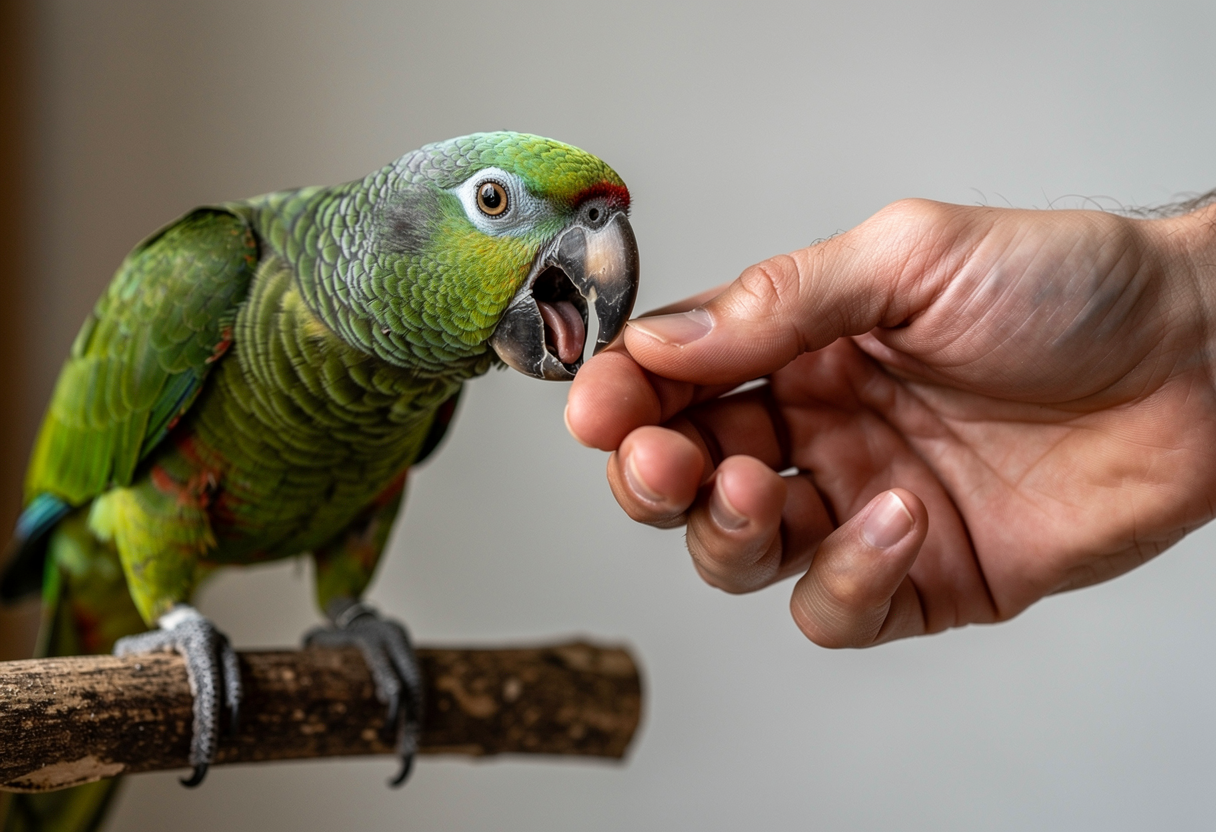
Unraveling the mystery of sudden parrot biting: Beak School explains common triggers and offers force-free solutions to restore trust and stop aggression.
One moment you're enjoying a peaceful interaction with your feathered friend, and the next, you're startled by a sharp bite. This sudden shift in behavior can be perplexing and upsetting for any parrot owner. At Beak School, founded by the Beak School team, we understand how frustrating and concerning this can be. Rest assured, you're not alone, and more importantly, there's always a reason for your bird's actions. Let's delve into why your parrot might suddenly be biting and how we can work together, using force-free methods, to rebuild trust and foster positive interactions.
Understanding Why Birds Bite: Beyond "Naughty"
First and foremost, it's crucial to remember that birds don't bite out of spite or malice. Biting is a form of communication, often born out of fear, pain, or frustration. Our job as responsible pet parents is to become fluent in our bird's language, understanding the subtle cues that precede a bite. Viewing biting through this lens helps us avoid misinterpreting their behavior as simply "being naughty" and instead allows us to address the root cause effectively.
Common Reasons for Sudden Biting
- Pain or Illness: This is often overlooked but incredibly important. A bird in pain, whether from an injury, internal discomfort, or a developing illness, might bite as a defensive reaction when touched or even approached. Subtle changes in posture, lethargy, or decreased appetite can be indicators.
- Fear or Anxiety: Birds are prey animals by nature. A sudden loud noise, a new person, an unfamiliar object, or even a change in their environment can trigger a fear response. If they feel trapped or threatened, biting becomes their only defense.
- Hormonal Changes: Breeding season can bring about significant behavioral shifts. Increased territoriality, aggression, and a reduced tolerance for handling are common. What was once acceptable might now elicit a bite.
- Protecting Resources: Your bird might be protecting their cage, a favorite toy, food bowl, or even their perceived "mate" (which could be another bird, a human, or even an inanimate object). Approaching these valued items can be met with aggression.
- Unwanted Touch or Handling: We sometimes misread our birds' body language. A bird might tolerate a head scratch or cuddle for a while, but if they've had enough, a bite is their way of saying, "Stop!" Similarly, approaching a bird directly from above (like a predator) or grabbing them can provoke a bite.
- Lack of Sleep or Overstimulation: Just like humans, birds need adequate rest. A tired or overstimulated bird might be cranky and more prone to snapping.
- Changes in Environment or Routine: Birds thrive on routine and predictability. A new cage, different placement of their cage, new people in the house, or even a change in your daily schedule can cause stress and lead to biting.
- Negative Reinforcement History: If past interactions have been unpleasant or involved force, your bird might have learned to associate humans with discomfort, leading to defensive bites.
Deciphering Your Bird's Body Language
The key to preventing bites is to read your bird's pre-bite signals. These are often subtle but consistent. Learn to recognize these warnings so you can back off and avoid the bite altogether:
- Pinning Eyes: Rapid dilation and constriction of the pupils, often indicating high arousal or excitement, which can be positive or negative. Context is crucial here.
- Feathers Puffed Up (but stiff): Can indicate fear or aggression. Combined with a rigid posture, it's a warning.
- Hissing or Growling: Clear vocalizations indicating "stay away."
- Leaning Away or Trying to Escape: Your bird is trying to increase distance. Don't push further.
- Lowered Head with Open Beak: A direct warning, often accompanied by a lunge.
- "Walking Tall": Standing on tiptoes, looking larger. Often seen during territorial displays.
- Slight Wing Droop or Shivering: Can indicate fear or anxiety.
- Tail Fanning: Can indicate excitement or aggression, similar to eye pinning, consider the context.
If you observe any of these signals, immediately and calmly remove the perceived threat (which might be your hand!) and give your bird space. Never push through these warnings.
Force-Free Solutions: Rebuilding Trust and Positive Interactions
Addressing sudden biting requires patience, consistency, and a commitment to force-free, positive reinforcement methods. Punishment, yelling, or spraying with water will only escalate fear and damage your relationship.
Step-by-Step Approach
- Rule Out Medical Issues: This is paramount. Schedule a vet visit with an avian veterinarian to ensure there's no underlying pain or illness contributing to the behavior. Describe the biting incidents in detail.
- Observe and Document: Become a detective. When does the biting occur? What happened immediately before? Who was present? What was the environment like? Keeping a journal can help you identify patterns and triggers.
- Respect Their Space: If your bird is biting, it means your proximity or actions are creating discomfort. Back off. Give them space and only interact on their terms for a while. Let them initiate contact.
- Rebuild Positive Associations: Focus on creating positive experiences without pressure.
- Target Training: Teach your bird to touch a target stick (a chopstick or thin dowel) for a high-value treat. This builds trust, gives them agency, and is a foundation for countless behaviors.
- Reinforce Calmness: Offer treats when your bird is calm and relaxed, even if you're just walking past their cage.
- Food Luring (Carefully): If your bird is comfortable with your hand near their cage, offer treats through the bars, or drop them into a near-by bowl if they are out of the cage. Avoid making direct contact if they are prone to biting.
- "Ask Permission" Method: Before reaching for your bird, extend an open hand (palm up, fingers relaxed) and wait for them to lean in or step up voluntarily. If they don't, respect their choice and try again later.
- Identify and Manage Triggers: Once you've identified what triggers the bites, work to avoid or desensitize your bird to them.
- Resource Guarding: If they guard their cage, don't reach in. Use target training to call them out before cleaning or changing water.
- Hormonal Behavior: During breeding season, minimize petting that mimics courtship (back and under-wing petting). Ensure they get plenty of sleep (10-12 hours in a dark, quiet environment) and have a stimulating environment to redirect energy.
- Environmental Stressors: Can you move the cage to a quieter spot? Introduce new items slowly?
- Teach a "Step Up" Cue: A reliable "step up" is invaluable for safe handling. Break it down into tiny steps, reinforcing each stage with treats. Start with your hand below their feet, then apply gentle pressure, reward for any weight shift, then for a foot movement, and finally for a full step up.
- Enrichment is Key: A bored parrot is often a mischievous or destructive parrot. Provide plenty of appropriate toys for chewing, shredding, and foraging. Rotate toys frequently to keep things interesting.
- Consistency: Everyone in the household needs to be on the same page with how they interact with the bird. Inconsistent handling can create confusion and anxiety.
Final Thoughts
A sudden bite from your beloved parrot can be unsettling, but it's a call for understanding, not punishment. By patiently observing, understanding their communication, and implementing positive reinforcement techniques, you can identify the root cause of the behavior and gently guide your feathered companion back to positive interactions. Building trust takes time, but the bond you forge through compassionate and force-free training is immeasurably rewarding for both you and your bird.