
May 7, 2026
Q&A: Why Is My Bird Biting Me Suddenly?
If your previously friendly parrot has started nipping or biting, don't despair – there are usually clear reasons behind this sudden change, and we can help you address them force-free.
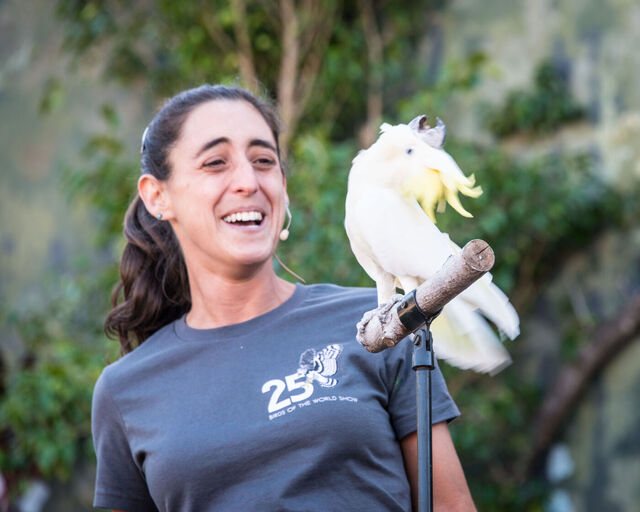
By Cassie Malina , CPBC, CPBT-KA
Force-free parrot behavior trainer and founder of Beak School. About Cassie
When a bird suddenly starts biting, it's a clear signal that something in their world has changed, or they're experiencing discomfort. Here are the most frequent culprits:
Hormonal Changes
- The Breeding Season Blues: This is perhaps the most common reason for a sudden shift in behavior, especially for adult birds. As spring approaches (or sometimes even in autumn, depending on the species and environment), hormones surge. This can lead to increased territoriality, protectiveness over their cage or favored people, and a lower tolerance for interaction that they perceive as intrusive. What might have been a comfortable petting session before, could now be seen as an unwelcome advance.
- Identifying Hormonal Behavior: Look for other signs like increased vocalisations, regurgitation of food (often to you or toys), excessive shredding of materials, nest-seeking behavior (spending time in dark spaces), and being overtly protective of certain areas or even specific toys.
- What to Do: Management is key. Avoid reinforcing hormonal behaviors. Don't provide nesting materials or dark spaces. Keep their cage and environment clean and stimulating. Most importantly, respect their space. If they're showing signs of wanting to be left alone, give them that space. Shift your interactions to neutral ground, like training sessions away from the cage, rather than trying to cuddle a hormonal bird.
Pain or Illness
- Underlying Health Issues: Birds are masters at hiding illness, often until it's quite advanced. A sudden bite could be an indicator of pain, discomfort, or general malaise. If a bird is not feeling well, they might be less tolerant of handling or even visual interaction, and biting can be their way of saying, "Leave me alone, I hurt."
- Signs to Watch For: Beyond the biting, look for subtle changes in posture, ruffled feathers, changes in droppings, decreased appetite, lethargy, or favoritism towards one leg or wing.
- What to Do: If biting is sudden and unexplained, especially if accompanied by any other subtle changes, an immediate veterinary check-up with an avian vet is crucial. This should always be one of the first things you rule out.
Fear or Stress
- New Environmental Factors: Has anything changed in your home recently? New furniture, a new pet, a new family member, unusual noises, or even a change in their cage location can be a source of stress for a sensitive parrot. They might bite out of fear or feeling overwhelmed.
- Past Negative Experiences: While you might practice force-free training, a previous owner or an unfortunate incident (even accidental) could have created a negative association that suddenly resurfaces.
- Feeling Cornered or Trapped: Birds need to feel like they have an escape route. If you're holding them too tightly, approaching them from above too quickly, or blocking their path, they might bite out of a primal "fight or flight" response.
- What to Do: Identify potential stressors and mitigate them. Ensure your bird always has a clear escape route. Approach slowly and predictably. Offer choice and control in interactions. If you suspect a past negative experience, focus on rebuilding trust through positive reinforcement, making every interaction a positive one.
Over-Stimulation or Misread Signals
- "Petting Induced Aggression": Sometimes, we might misinterpret our bird's cues. A bird might tolerate petting for a while, but then suddenly bite when they've had enough. This is especially true for body language that might seem positive (like leaning in) but is actually a warning of overstimulation or discomfort. Some birds also dislike being petted below the head, as this can be a hormonal trigger.
- Rough Play: What starts as seemingly playful nipping can escalate into a painful bite if boundaries aren't respected or if the bird feels their warnings aren't being heeded.
- What to Do: Learn your bird's body language intimately. Look for subtle cues like dilated pupils, pinned feathers, stiffening, or a slight shift in weight *before* the bite. Respect these signals. Keep petting to the head and neck unless your bird explicitly and consistently shows comfort with more. Ensure all interactions end on a positive note *before* your bird feels the need to bite.
Lack of Sleep or Inadequate Diet
- Insufficient Rest: Birds need a lot of sleep – 10 to 12 hours of uninterrupted darkness is ideal for most species. A lack of sleep can make them irritable, moody, and more prone to biting, much like a tired toddler.
- Nutritional Deficiencies: A poor diet can affect a bird's overall health and mood, contributing to irritability and hormonal imbalances.
- What to Do: Ensure your bird has a consistent sleep schedule in a quiet, dark environment. Review their diet to ensure it's balanced and species-appropriate, consulting your avian vet or a reputable avian nutritionist if needed.
What You Should Do When They Bite
The most important rule in force-free training is to never punish your bird. Punishment, whether it’s yelling, spraying with water, or hitting, will only erode trust, increase fear, and make the biting worse in the long run. It teaches your bird to fear you, not to stop biting. Instead, when a bite occurs (or ideally, *before* it occurs if you see the warning signs):- Manage the Situation: If you get bitten, calmly and quietly disengage. Don't make a bigfuss. Put your bird safely back in their cage or on a neutral perch, then walk away for a few minutes. This isn't punishment; it's simply removing yourself from a situation that has become uncomfortable for *both* of you.
- Become a Detective: As outlined above, observe everything. When does it happen? Where? Who is present? What were you doing just before? What is their body language like? Keep a log if it helps. This information is critical for identifying the underlying cause.
- Prevent Future Bites: Once you have a hypothesis about the cause, proactively manage the environment and your interactions to prevent the biting from happening again. If it's hormonal, avoid cuddling. If it's fear, approach slower. If it's overstimulation, shorten interaction times.
- Rebuild Trust Through Positive Reinforcement: Focus on making every interaction a positive, predictable experience. Use target training and step-up as opportunities for positive reinforcement with treats. Reinforce calm, non-biting behavior. Start with short, successful interactions and gradually build duration.
- Seek Professional Help: If you're struggling to identify the cause or implement solutions, don't hesitate to reach out to an avian behavior consultant. They can help you decode your bird's behavior and develop a tailored, force-free plan.
Final Thoughts
A sudden bite from your beloved parrot can be a disheartening experience, but it’s a powerful form of communication. By understanding the common reasons behind this behavior and committing to a force-free approach, you can uncover the root cause, address it with kindness and patience, and ultimately strengthen the bond with your feathered friend. Your bird isn't being "mean"; they're telling you something important, and it's our job as responsible owners to listen.biting