Discover the common reasons behind sudden parrot biting, from developmental stages to environmental stressors, and learn how to rebuild trust with force-free solutions.
Understanding the Sudden Switch: Why Now?
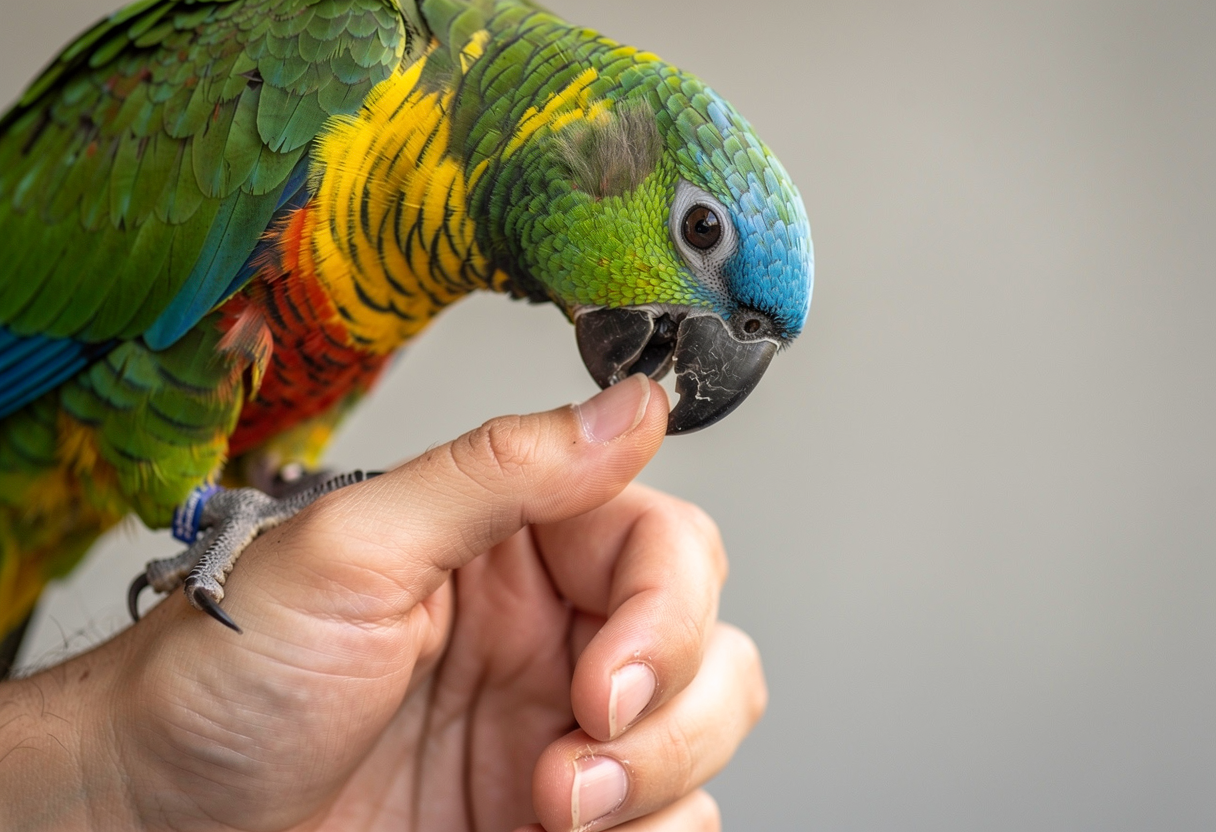
One of the most common and often disheartening questions we get here at Beak School is, "My bird was so sweet, and now they're biting me all the time! What changed?" It’s a heart-wrenching experience when your feathered friend, who once gently stepped onto your hand or enjoyed head scratches, suddenly turns their beak on you. It’s important to remember that birds don’t bite out of malice. Biting is a form of communication, a strong signal that something is wrong, something needs to change, or they’re simply overwhelmed. Let's dive into some common scenarios and how to address them with patience and positive reinforcement.
Common Scenarios & Science-Based Solutions
Q1: My parrot just turned a year old and suddenly became a biting machine. What’s going on?
Ah, the "teenage years"! Just like human adolescents, young birds go through a developmental stage that can bring about significant behavioral shifts. This is often linked to:
- Hormonal Surges: As birds mature, their hormones kick into high gear, often marking the beginning of their breeding season. This can lead to increased territoriality, protectiveness over perceived mates (often you!), nest-building behaviors, and frustration. They might be more prone to lunging, nipping, or full-on bites if they feel their space is invaded or their urges are unfulfilled.
- Increased Independence: Like human teens, they’re exploring their boundaries and asserting their individuality. They might be less inclined to follow your cues or might become more assertive in their interactions.
Beak School Says (Solutions):
- Observe for Hormonal Cues: Look for other signs like regurgitation, increased vocalizations, excessive shredding of toys, or trying to hide in dark spaces.
- Adjust Environment: Ensure their environment isn't inadvertently stimulating hormonal behavior. Things like excessively long daylight hours (more than 10-12 hours), highly caloric or sugary diets, or easy access to dark, enclosed spaces can contribute.
- Enrichment, Enrichment, Enrichment: Boredom and pent-up energy can exacerbate hormonal frustrations. Provide plenty of shreddable toys, puzzle feeders, and opportunities for flight and mental stimulation.
- Respect Their Space: During these times, it's crucial to respect their boundaries. If they're showing "no thank you" signals (pinning eyes, ruffled feathers, leaning away), don't push for interaction.
- Target Training & Stationing: Reinforce desirable behaviors. If they're biting your hand when you approach, use a target stick to guide them to a perch or station without putting your hand at risk. Reward heavily for choosing to go to their station.
- Short, Positive Interactions: Keep interactions brief and positive. Focus on high-value treats for calm behavior and voluntary interaction, then end on a good note before frustration builds.
Q2: My bird was perfectly fine, then we moved houses/got a new pet/changed their cage, and now they hate me!
Birds are creatures of routine and can be sensitive to environmental changes. A sudden shift can be incredibly stressful and unsettling, leading to bites as a form of "protest" or fear. Think about it from their perspective:
- New Environment: A new home means new sights, sounds, smells, and routines. They might feel insecure or threatened.
- New Family Member (Human or Animal): A new baby, guest, or even another pet can throw off their social dynamic and make them feel displaced or jealous.
- Cage or Toy Changes: Even something as seemingly minor as a new cage setup or a different type of toy can be perceived as an invasion or a threat if not introduced carefully.
- Loss of a Companion: The grieving process can manifest in many different ways, including aggression.
Beak School Says (Solutions):
- Patience is Key: Allow your bird ample time to adjust. Don't rush interactions.
- Re-establish Routine: Try to re-establish the routines they were accustomed to as quickly as possible. Predictability can be very comforting.
- Positive Association: Associate any new changes (new cage location, new person) with positive experiences. For example, if a new baby is present, only allow the bird to see and hear the baby while receiving their favorite treat or enjoying a fun training session.
- Create a "Safe Zone": Ensure their cage is a sanctuary where no one bothers them. Allow them to retreat there whenever they feel overwhelmed.
- Observe & Understand: Pay close attention to what triggers the biting. Is it a specific person? A particular time of day? A certain noise? Understanding the trigger is the first step to addressing it.
- Build Trust Through Training: Revisit foundation behaviors like stepping up (using a perch if needed initially) and target training. Reward heavily for even small steps towards cooperation. This rebuilds trust and gives them a sense of control.
Q3: My bird bites me when I try to get them back into their cage or when I reach for them.
This is often a sign of resource guarding or a perceived lack of control. Birds don't want to be forced into anything, and when they feel trapped or have something taken from them, biting is their primary defense mechanism.
- Cage Aversion: If the cage is only associated with being "put away" and not a positive space, they'll resist.
- Toy Guarding: Some birds may guard favorite toys or even certain perches.
- Fear of Hands: If hands have been used to scold, grab, or force interactions in the past, your bird may have developed a fear of them.
Beak School Says (Solutions):
- Make the Cage a Happy Place: Feed all meals inside the cage. Offer the highest-value treats only when they are inside. Introduce new, exciting toys inside the cage. Let them choose to go in for positive reasons.
- Train "Go to Cage": Use a target stick or a verbal cue to encourage them to go into their cage voluntarily. Reward them generously when they do. Never chase them into the cage.
- Hand Desensitization: If they're afraid of hands, start by simply having your hand nearby while they receive a treat, without trying to touch them. Slowly, gradually move your hand closer over many, many sessions, always pairing with positive reinforcement.
- Offer a Perch for Stepping Up: If hands are a trigger, use a preferred perch for stepping up. Once they are comfortable stepping onto the perch, you can gradually introduce your hand under the perch, then eventually have them step directly on your hand.
- Trade, Don't Take: If they are guarding an item, offer a higher-value item to trade for it rather than simply taking it away.
Final Thoughts
Sudden biting is a signal, not a judgment. It's your bird's way of telling you something is amiss. Approach these situations with curiosity, patience, and a commitment to force-free methods. By understanding the underlying cause and consistently offering positive reinforcement, you can rebuild trust, strengthen your bond, and help your feathered friend feel safe and happy once again. Remember to consult an avian vet if you suspect a medical issue, as pain or illness can also lead to sudden behavioral changes.