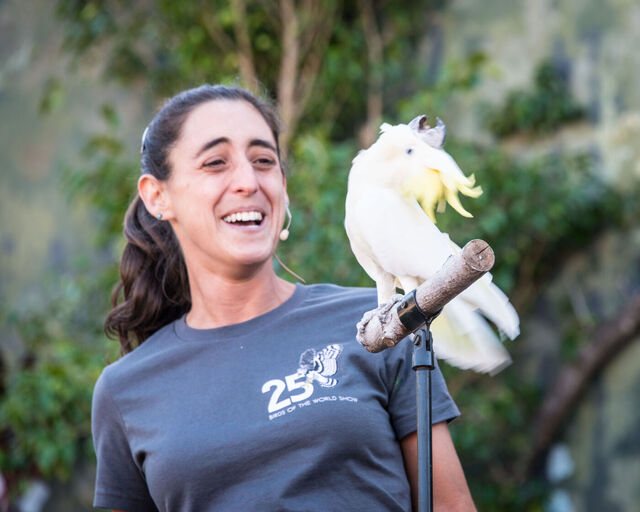
Winter weather brings chilly temperatures and dry air, both of which can pose significant risks to our feathered friends.
As the days grow shorter and the air outside turns crisp, many of us are snuggling up indoors, perhaps with a warm drink and a good book. Our parrots, however, require a bit more than just a cozy blanket to navigate the winter months. The colder temperatures and notoriously dry indoor air during winter can present unique challenges to their health and well-being. At Beak School, our goal is to empower you with the knowledge to create a safe, comfortable, and thriving environment for your beloved companion, even when the snow is falling. Let’s dive into how you can ensure your parrot stays happy, healthy, and hydrated throughout the winter.
Maintaining Optimal Temperature: Finding the Sweet Spot for Your Bird
While parrots are exceptionally adaptable creatures, drastic temperature fluctuations or prolonged exposure to cold can be detrimental to their health. Most pet parrots originate from tropical or subtropical climates, meaning they are accustomed to consistent warmth. Think of their natural habitat – no sudden dips to freezing temperatures there!
What's Too Cold? Signs Your Parrot is Chilly
- Shivering: This is the most obvious sign, similar to how we react to cold. You might see their feathers ruffle rapidly.
- Fluffing Feathers All the Time: While some feather fluffing is normal for insulation, if your bird is consistently fluffed up, even when active, and appears lethargic, it could be trying to conserve body heat.
- Huddling and Lethargy: A cold bird may sit hunched with its feathers tightly pressed against its body, or try to huddle in a corner of the cage. They might also be less active and vocal than usual.
- Bluish or Pale Feet/Cere: In extreme cold, blood flow can be reduced to extremities.
Generally, a comfortable room temperature for most parrots ranges from 65°F to 80°F (18°C to 27°C). Sudden drops below 60°F (15°C) can be particularly stressful. Smaller birds, like budgies and cockatiels, might be more sensitive to cold than larger macaws, but all benefit from stable temperatures.
Heating Safely: Tips for a Warm Winter
- Avoid Drafts: Cage placement is key. Keep your parrot's enclosure away from exterior doors, drafty windows, and air vents that blow cold or hot air directly onto the cage. Even a seemingly small draft can lead to a chill.
- Space Heaters: If your home is consistently cool, a space heater can be a good option.
- Safety First: Choose an oil-filled radiator style heater (no exposed heating elements) or a ceramic heater with a tip-over shut-off.
- Placement: Place it in the room, but not directly next to the cage. Ensure it's out of reach of curious beaks and away from anything flammable.
- Monitor Temperature: Use a reliable thermometer in the bird's room to ensure the temperature stays within the recommended range.
- Avoid PFOA/PTFE Coated Heaters: Just like non-stick cookware, some space heaters can emit toxic fumes when new or overheated. Research thoroughly before purchasing or using. When in doubt, avoid.
- Ceramic Heat Emitters (CHEs): These are excellent, safe options for providing localized heat without light.
- Placement: Mount them outside the cage, directed at one end, to create a "warm zone." This allows your bird to choose to be under the heat or move away if it gets too warm.
- Wattage: Choose an appropriate wattage for your cage size and room temperature. Start with lower wattage and observe your bird.
- Thermostat Control: For ultimate safety and comfort, connect your CHE to a thermostat that maintains a consistent temperature.
- No Red Heat Lamps: While sometimes recommended misguidedly, red heat lamps produce light that can disrupt your bird's natural sleep cycle. Opt for ceramic heat emitters that produce heat only.
- Cage Covers: A breathable cage cover at night can help retain warmth and block drafts. Ensure it's made of a safe, non-fraying material and allows for good airflow.
Humidity Matters: Combating Dry Winter Air
The dry air characteristic of winter, especially with central heating, can be just as problematic as cold temperatures for parrots. Many parrot species hail from humid rainforests or similar environments, and dry air can negatively impact their respiratory system and skin/feathers.
Risks of Low Humidity for Parrots
- Respiratory Issues: Dry mucous membranes in the respiratory tract can lead to irritation, increased susceptibility to infections, and difficulty breathing.
- Dry Skin and Itching: Low humidity can cause dry, flaky skin, leading to itching and excessive preening, sometimes even feather plucking due to irritation.
- Poor Feather Condition: Feathers can become brittle, dull, and prone to breaking. Mites and other external parasites might also thrive in less healthy feather conditions.
- Sinus Problems: Chronic dryness can irritate nasal passages and sinuses.
Boosting Humidity Safely and Effectively
- Humidifiers: This is often the most effective solution.
- Cool Mist Humidifiers: Always choose a cool mist humidifier. Hot mist humidifiers can cause localized air pressure changes that are unsafe, and the steam can burn.
- Placement and Cleaning: Place the humidifier in the bird's room, but not directly next to the cage. Crucially, clean it daily with a dilute vinegar solution to prevent mold and bacterial growth, which can be far more dangerous than dry air.
- Distilled Water: Using distilled water can help reduce mineral buildup and inhibit bacterial growth in the humidifier.
- Regular Misting: A daily misting with a clean spray bottle (dedicated to your bird and only containing clean, lukewarm water) can provide temporary relief and help with feather conditioning. Observe your bird's reaction – some love it, some tolerate it, others prefer bathing. This is not a punishment tool; it's an enrichment and hygiene activity.
- Bathing Opportunities: Continue to offer regular bathing opportunities, whether it's a shallow dish of water, a shower perch, or a gentle misting during your own shower. Bathing helps moisten their skin and feathers naturally.
- Air-Drying Laundry: Hanging laundry to air dry in the bird's room can add a surprising amount of humidity to the air.
- Indoor Plants: Certain plants release moisture into the air. However, ensure any plants you bring into your bird's environment are non-toxic and kept out of reach.
Nutrition and Hydration: Fueling Winter Wellness
A well-nourished bird is a resilient bird, especially when facing environmental stressors like winter. Proper nutrition supports the immune system, maintains feather health, and provides the energy needed to regulate body temperature.
Enhancing Winter Nutrition
- Balanced Diet is Paramount: Stick to the foundational principles of a high-quality pelleted diet, fresh vegetables, limited fruits, and occasional healthy treats. A robust immune system starts with good nutrition.
- Vitamin A Rich Foods: Orange and dark green vegetables (carrots, sweet potatoes, kale, broccoli) are rich in Vitamin A, crucial for respiratory health and mucous membrane integrity, which can be compromised by dry air.
- Omega Fatty Acids: Foods like flax seeds (ground), chia seeds, or a tiny amount of high-quality palm oil can contribute to healthy skin and feathers.
- Plenty of Protein: Seeds, legumes, and occasional cooked lean meats (e.g., chicken, fish) in appropriate amounts provide building blocks for feather health and overall vitality.
Staying Hydrated
- Fresh Water, Always: This seems obvious, but it's worth reiterating. Ensure your bird always has access to fresh, clean water. Change it at least twice daily.
- Multiple Water Bowls: Consider having more than one water source in different parts of the cage. Sometimes, fresh water on a higher perch can encourage drinking.
- "Wet" Foods: Offer more moisture-rich foods like cucumber, celery, bell peppers, and watery fruits. These can supplement their hydration.
Final Thoughts
Winter doesn't have to be a season of concern for your feathered friend. By proactively managing temperature, humidity, and nutrition, you can ensure your parrot remains vibrant, healthy, and happy throughout the colder months. Remember, observation is your best tool – pay close attention to your bird's behavior, feather quality, and activity levels. They'll tell you if something isn't quite right. With a little extra care and attention, you and your parrot can comfortably weather any winter storm together.