
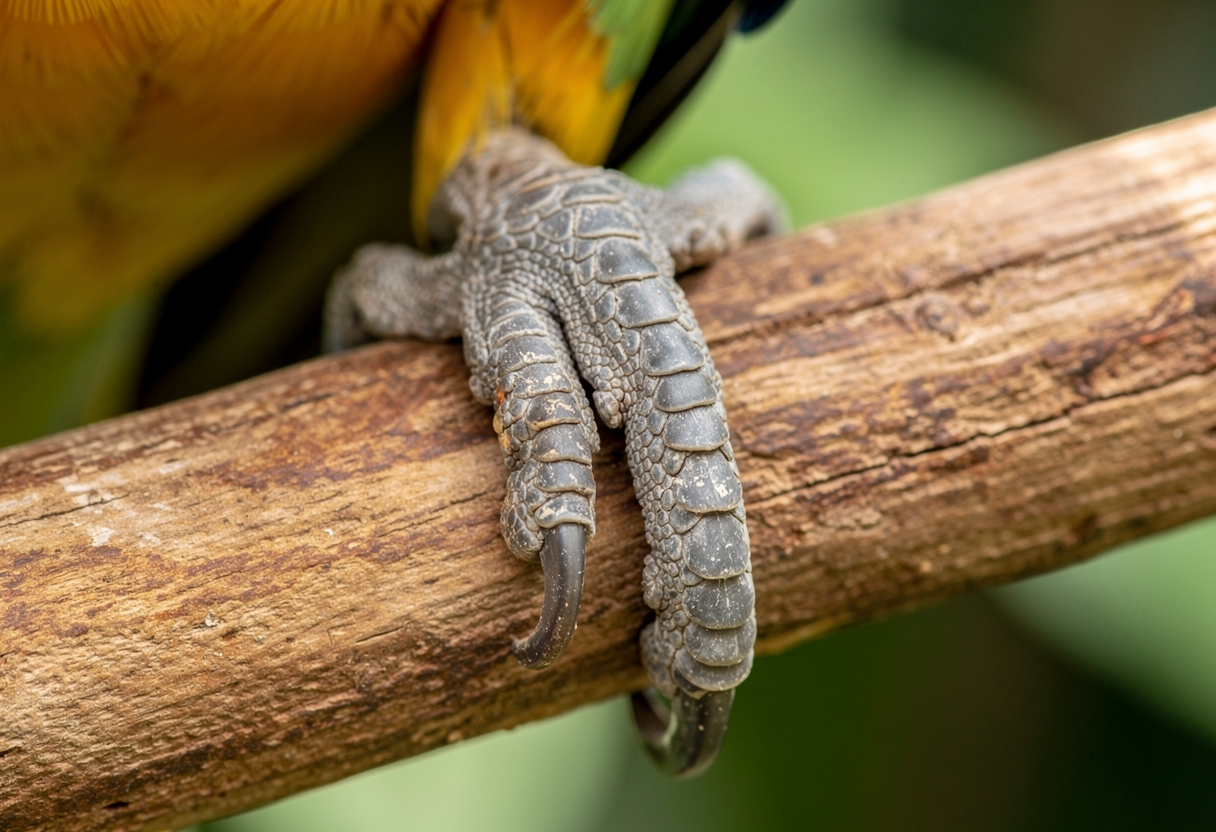
One of the most common questions I get asked is about nail trims. Keeping your bird's nails at a healthy length is crucial for their comfort and safety. Overly long nails can get caught, cause discomfort, affect perching, and even lead to injuries. While many owners opt for professional grooming, learning to do it at home, force-free, can be a wonderful bonding experience and offers greater control over the process. Let’s dive into how you can approach this essential care task with trust and positive reinforcement.
Is At-Home Nail Trimming Right For You and Your Bird?
Before you even pick up a trimmer, it’s important to assess if at-home nail trimming is a good fit for you and your feathered friend. My approach is always centered on trust and minimizing stress. If your bird is highly averse to being handled, or if you feel exceptionally nervous, it might be best to start by observing a professional or working on handling and towel training a little more first.
Here’s what to consider:
- Your Comfort Level: Are you confident in your ability to hold your bird securely and act quickly? If not, a professional groomer or avian vet might be your best first step.
- Your Bird's Temperament: Is your bird generally calm and comfortable with some handling, even if briefly? A bird who panics at the slightest touch will need significant positive reinforcement training before a trim.
- Your Tools: Do you have the right, sharp tools? Dull trimmers can crush the nail, causing pain.
Remember, the goal is a low-stress experience. If you’re both highly anxious, it negates the benefit. Don't feel pressured to do it yourself if it causes undue stress. A little training can go a long way in making this a positive interaction.
Preparation is Key: Setting Up for Success
Successful, low-stress nail trims don't just happen; they're the result of careful preparation and positive association. Here’s how to set the stage:
Tools You'll Need:
- High-Quality Nail Trimmers: For small to medium birds (like cockatiels, conures), human baby nail clippers or small cat nail clippers often work well. For larger birds (like Amazons, macaws), specialized parrot nail trimmers or even a Dremel tool (if expertly trained for) are necessary. Invest in sharp, good quality tools.
- Styptic Powder or Cornstarch: This is a non-negotiable safety item. Accidents happen, and if you cut into the quick (the blood vessel inside the nail), you’ll need to stop the bleeding immediately. Keep it within arm's reach.
- Bright Lighting: Good lighting is crucial to see the quick clearly. A headlamp or a desk lamp focused on the bird's foot works great.
- Favorite Treats: These are your positive reinforcement powerhouses! Think millet spray, nuts, seeds, or whatever your bird values most.
- Soft Towel (Optional): For some birds, a light, loose towel wrap can offer a sense of security and limit movement, but this should only be introduced with positive reinforcement and not used as a restraint method. Many birds prefer no towel.
Creating a Positive Association:
Before you even attempt a trim, begin by pairing the tools and the act of handling with positive experiences. This is where force-free training shines!
- Introduce the Trimmers: Show your bird the clippers, reward. Let them investigate, reward. Don’t push.
- Touch Their Feet: Gently touch their feet and toes (if they allow), reward. Gradually extend the duration of the touch.
- Practice Holds (Briefly): If you plan to hold your bird, practice very short, gentle holds, immediately followed by high-value treats and praise.
- “Fake” Trims: Hold their foot and gently tap the clippers against a nail without cutting, then immediately reward. This desensitizes them to the sensation and sound.
This pre-trim training can take days, weeks, or even months, depending on your bird. Patience is your best friend here.
The Force-Free Nail Trimming Process
When you're both ready, it's time for the trim. Remember, short sessions are better than forcing a long one.
- Secure Your Bird Calmly:
- For smaller, more tolerant birds: You might be able to hold them gently in one hand, offering treats with the other, or have an assistant offer treats.
- For larger or more active birds: A light, secure towel hold (only if previously trained for and accepted positively) can help, but avoid constrictive or fearful wraps. The goal is a secure, not terrifying, hold. You can also train your bird to present a foot on cue.
The key here is minimal stress. If your bird is thrashing violently, stop. You need to go back to basic handling training.
- Locate the Quick: With good lighting, examine the nail. You'll see a darker, pinkish area within the nail – that’s the quick. Your aim is to cut a small amount of the clear, keratinized tip, well below the quick. If you have a bird with dark nails, this is much harder, and often holding a bright light behind the nail can help you see the quick’s shadow. When in doubt, trim less.
- Clip Quickly and Confidently: Make a quick, clean cut. Many birds only tolerate one or two nails at a time. That's perfectly fine! Offer a high-value treat immediately after each successful clip (or small set of clips).
- Stop Bleeding (If Necessary): If you accidentally nick the quick, don't panic. Immediately apply styptic powder with firm pressure for a few seconds until the bleeding stops. A little blood looks like a lot, but it usually stops quickly. Keep a close eye on the nail afterward.
- End on a Positive Note: As soon as you've achieved your goal (even if it's just one nail!), release your bird and shower them with praise and treats. End the session before they get overly stressed. You can always do more another day.
Maintaining Nail Health Between Trims
Beyond active trimming, you can help manage nail length with appropriate enrichment:
- Variety of Perches: Offer natural wood perches of varying diameters and textures. Lava rock or concrete perches can also help wear down nails naturally, but observe for any irritation and ensure they aren't the only perches available.
- Foraging Opportunities: Encourage your bird to use their feet to manipulate foraging toys and climb, which naturally wears down nails.
- Regular Checks: Periodically check your bird’s nails so you can address overgrowth before it becomes a problem.
Final Thoughts
Trimming your bird's nails at home, force-free, is a skill that takes patience, practice, and a deep understanding of your bird's comfort level. It’s about building trust, using positive reinforcement, and ensuring every interaction is as stress-free as possible. Don't be discouraged if it takes time; every successful, calm trim builds on that positive foundation. If you're ever unsure, consult with an avian vet or a certified professional groomer. Your bird's well-being is always the top priority!