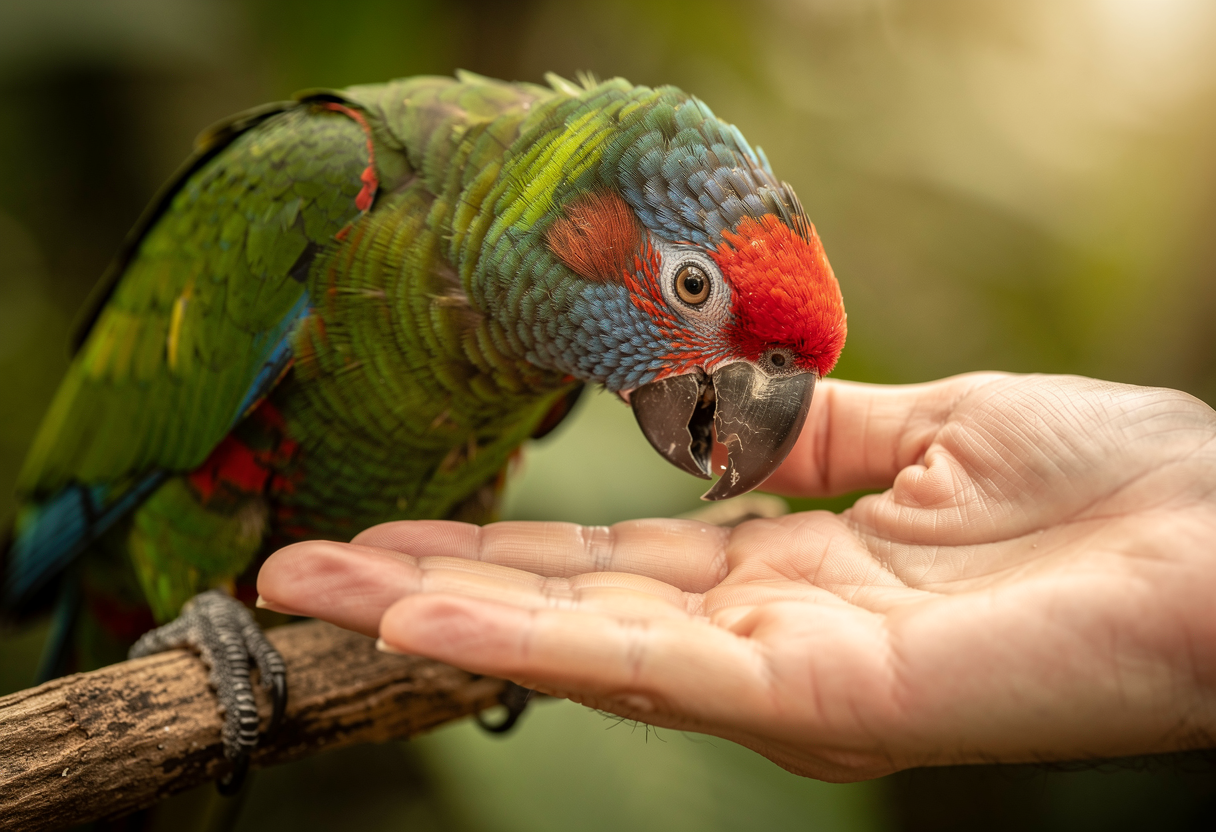
Uncover the reasons behind your parrot's feather plucking and discover compassionate, force-free strategies to support them through this challenging behavior.
Q&A: Why Is My Bird Plucking?
Feather destructive behavior (FDB), often referred to as feather plucking, is one of the most heartbreaking and frustrating issues parrot owners face. Seeing your beloved bird damage their own feathers can be incredibly distressing, leaving you feeling helpless and confused. Here at Beak School, we understand that journey. The good news is that while it's a complex behavior, it's often a solvable one, especially when approached with patience, understanding, and force-free methods. Let's delve into why your bird might be plucking and what you can do to help.
Understanding the "Why": A Puzzle with Many Pieces
There's rarely a simple, single answer to "Why is my bird plucking?" Instead, it's usually a combination of factors, a puzzle that requires careful observation and a truly holistic approach to solve. Think of feather plucking as a symptom, a visible sign that something isn't quite right in your bird's world. Our goal isn't just to stop the plucking, but to understand what deep-seated need or discomfort your bird is expressing.
Medical Causes: Rule Them Out First
Before jumping to behavioral conclusions, **it is absolutely crucial to consult an avian veterinarian.** Many medical conditions can manifest as feather destructive behavior, and addressing these is always the first step. Your vet might look for:
- Parasites: Internal or external parasites can cause intense itching and discomfort.
- Fungal or Bacterial Infections: Skin or follicle infections can lead to irritation and plucking.
- Nutritional Deficiencies: An unbalanced diet can result in poor feather quality, itchiness, and overall poor health, leading to plucking.
- Organ Disease: Liver, kidney, or other organ issues can cause chronic discomfort or toxins in the system, influencing feather health.
- Pain: Undiagnosed pain from an injury, arthritis, or other conditions can cause a bird to pluck feathers in the affected area.
- Toxins: Exposure to environmental toxins can also manifest as skin or feather issues.
Your avian vet might recommend blood tests, feather biopsies, skin scrapings, or other diagnostics to rule out or identify these underlying medical issues. Until a clean bill of health is given, it's premature to assume the cause is purely behavioral.
Environmental & Behavioral Factors: The Root of Many Problems
Once medical causes are ruled out, we then turn our attention to the bird's environment and daily life. Many behavioral plucking issues stem from unmet needs, stress, or psychological discomfort.
Lack of Enrichment and Mental Stimulation
Birds are incredibly intelligent, curious, and active creatures. In the wild, they spend most of their day foraging, flying, socializing, and exploring. In our homes, without adequate stimulation, they can become bored, frustrated, and stressed.
- Boredom: A bird with nothing to do may turn to their feathers as an outlet for their energy and intelligence.
- Lack of Foraging Opportunities: Parrots are natural foragers. If food is always easily accessible in a bowl, they miss out on a significant part of their natural behavior.
- Insufficient Chew Toys: Birds need to chew! Providing a variety of safe, destructible toys is essential for mental health and beak maintenance.
Stress and Anxiety
Parrots are sensitive creatures, and their environment can easily become a source of stress.
- Environmental Changes: Moving to a new home, a new cage, or even rearranged furniture can be stressful.
- Changes in Routine: Inconsistent daily schedules can be unsettling.
- Exposure to Loud Noises or Constant Activity: A chaotic household can be overstimulating.
- Lack of Predictable Sleep: Birds need 10-12 hours of uninterrupted sleep in a dark, quiet environment.
- Negative or Punitive Interactions: Forceful handling, yelling, or punishment of any kind will inevitably lead to stress, distrust, and often plucking.
Dietary Deficiencies or Inappropriate Diet
Even without a full-blown medical condition, a sub-optimal diet can cause skin irritation and poor feather quality, contributing to plucking.
- Seed-Heavy Diets: Often deficient in essential vitamins, minerals, and amino acids.
- Lack of Fresh Foods: Vegetables, fruits, and healthy grains provide vital nutrients and hydration.
Self-Mutilation and Obsessive Compulsive Behaviors
In some cases, plucking can escalate into self-mutilation, indicating severe psychological distress. This requires a very careful, compassionate, and professional intervention. Similar to OCD in humans, some birds can develop obsessive grooming behaviors that escalate to plucking.
Social Dynamics
While often overlooked, the social environment plays a huge role.
- Lack of Social Interaction: Parrots are highly social; isolation can lead to loneliness and plucking.
- Over-Bonding: Paradoxically, an overly-bonded bird (especially with a single person) can become stressed if that person isn't always present, leading to "separation anxiety" plucking. This can also manifest as hormonal issues if the bird perceives the owner as a mate.
- Household Conflict: Arguments or tension in the home can be sensed by birds and cause stress.
Addressing the Problem: A Force-Free Approach
Once medical issues are ruled out, our approach at Beak School is always centered on **positive reinforcement, enrichment, and building trust.** We never advocate for punishment, water spraying, or other aversive methods, as these only increase stress and break down the bond you have with your bird.
1. Optimize the Environment & Enrichment
- Provide Foraging Opportunities: Instead of just a bowl, hide food in foraging toys, cardboard boxes, or scattered amongst safe branches. Make them work for their meals!
- Offer a Variety of Toys: Include shreddable, chewable, puzzle, and foot toys. Rotate them frequently to maintain interest.
- Ensure Adequate Exercise: Provide out-of-cage time in a safe, bird-proofed environment.
- Maintain a Consistent Routine: Predictable feeding times, play sessions, and sleep schedules reduce anxiety.
- Provide a "Safe Space": A cozy bird tent, a covered corner of the cage, or a dedicated perch can offer security.
2. Refine the Diet
- Transition to a High-Quality Pellet: This should form the foundation of most parrots' diets.
- Offer a Wide Variety of Fresh Produce: Introduce different vegetables and fruits daily.
- Consult Your Vet: They can recommend specific supplements if needed, but a balanced diet is usually the best approach.
3. Build Trust & Positive Interactions
- Positive Reinforcement Only: Reward desired behaviors (calmness, playing with toys) with treats, praise, or head scratches.
- Observe Your Bird's Body Language: Learn their cues for stress, discomfort, or happiness.
- Respect Their Boundaries: Never force interaction. Allow your bird to come to you on their own terms.
- Avoid Over-Bonding: Encourage independence and interaction with multiple family members. Gently discourage hormonal behaviors if they arise.
- Teach New Skills: Training is a wonderful form of mental enrichment and can strengthen your bond.
4. Address Stressors
- Identify Triggers: What happens right before your bird starts plucking? Is it a loud noise, someone leaving the room, boredom?
- Reduce Noise and Chaos: Create a calm environment, especially during important rest periods.
- Ensure Uninterrupted Sleep: 10-12 hours in a dark, quiet room is non-negotiable for their health.
Final Thoughts
Feather plucking is a journey, not a quick fix. It requires patience, dedication, and a willingness to be a detective in your bird's life. Remember, your bird isn't plucking to "be bad" or to spite you; they are communicating distress or an unmet need. By working closely with an avian vet, optimizing their environment, and consistently using force-free, positive reinforcement methods, you can significantly improve your parrot's well-being and help them on their path to healthier feathers and a happier life.